Acitretin, with the CAS number 55079-83-9, is a pharmaceutical compound widely used in biochemical and pharmaceutical research for experimental purposes. It plays a crucial role in laboratories where researchers investigate the biological effects of compounds on cells and organisms. As a key reagent in pharmaceutical research, Acitretin supports the development and testing of new drug prototypes, particularly in the study of skin conditions and related diseases. Its presence in experimental setups allows scientists to explore the mechanisms of drug action and their therapeutic potential.
Acitretin is favored for its chemical stability under controlled conditions, enabling repeated use in high-precision experiments. Its solubility in organic solvents simplifies handling and processing in laboratory settings, making it a reliable choice for researchers. The compound’s consistent performance and predictable behavior contribute to the accuracy and reproducibility of experimental results. These properties make it a preferred reagent for scientists seeking dependable and high-quality materials for their work.
In Indonesian laboratories, Acitretin is commonly used in pharmaceutical, biochemical, and medical research. It supports studies on chronic skin diseases, gangrene, and drug mechanisms, contributing to the advancement of scientific knowledge. Its application in academic and research institutions ensures that it remains a vital component in the pursuit of scientific discovery and innovation.
TCI brochures (PDF)
- Pharmacologically Active Metabolites 2025-07-22 · p. 1
- Vitamins for Research and Experimental Use 2025-06-27 · p. 2
- Pharmaceutical Ingredients for Research and Experimental Use 2026-03-09 · p. 42
- Reagents for Biological Research 2025-03-11 · p. 51
- Pharmaceutical research for studying the effects of compounds on skin diseases and chronic conditions.
- Biochemical experiments to analyze the biological activity of Acitretin on cellular and molecular levels.
- Drug development projects to test the efficacy and mechanism of action of new therapeutic agents.
- Medical research focused on understanding the pharmacological properties of Acitretin in various biological systems.
- Experimental studies aimed at exploring the potential of Acitretin in treating inflammatory and dermatological disorders.
From the TCI brochure
- A Retinoic Acid Derivative
| Brand | TCI |
|---|---|
| CAS number | 55079-83-9 |
| Molecular formula | — |
| Purity | — |
| Category | Life Science > Biochemicals and Reagents > Pharmaceutical Research Reagents |
| Pack sizes | — |
| Physical form | — |
| Storage | Store in a cool, dry place away from light and moisture |
Acitretin should be stored in a cool, dry environment, away from direct light and moisture to maintain its chemical stability. It is recommended to use airtight containers to prevent exposure to air and contaminants. Due to its organic solubility, it should be handled in a well-ventilated area to minimize inhalation risks. Researchers should wear appropriate personal protective equipment, such as gloves and safety goggles, when handling the compound. Proper labeling of containers is essential to ensure safe handling and prevent accidental exposure. Regular monitoring of storage conditions is advised to ensure the integrity of the reagent throughout its shelf life.
—
Product Categories
- Biochemicals and ReagentsPharmaceutical Research Reagents (for Experimental Use)Pharmaceutical Research Reagents (Others)
- Biochemicals and ReagentsVitamins and Related CompoundsVitamin Derivatives
- Biochemicals and ReagentsBioactive CompoundsPharmacologically Active Metabolites
- Cell BiologyNutrition ResearchVitamins [Nutrition Research]
- Pharmaceutical Development and Drug Discovery ResearchPharmaceutical Research Reagents (for Experimental Use)Pharmaceutical Research Reagents (Others)
Produk Terkait
-
Tazarotene TCI T3108
Regular price Rp 1.563.450,00Regular priceRp 1.108.800,00Sale price Rp 1.563.450,00 -
Benfotiamine TCI B4711
Regular price From Rp 1.749.300,00Regular priceRp 1.239.000,00Sale price From Rp 1.749.300,00 -
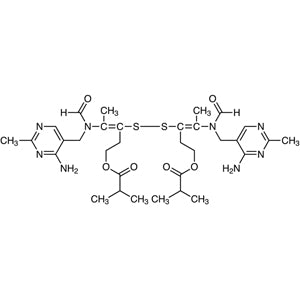
Sulbutiamine TCI S0964
Regular price Rp 1.192.800,00Regular priceRp 849.450,00Sale price Rp 1.192.800,00 -
Bexarotene TCI B4798
Regular price Rp 5.087.250,00Regular priceRp 3.573.150,00Sale price Rp 5.087.250,00 -
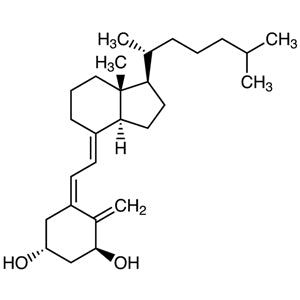
Alfacalcidol TCI A3125
Regular price From Rp 3.472.350,00Regular priceRp 2.443.350,00Sale price From Rp 3.472.350,00 -
Acipimox TCI M2053
Regular price From Rp 1.298.850,00Regular priceRp 924.000,00Sale price From Rp 1.298.850,00 -
all-trans-N-(4-Hydroxyphenyl)retinamide TCI H1464
Regular price From Rp 2.491.650,00Regular priceRp 1.757.700,00Sale price From Rp 2.491.650,00 -
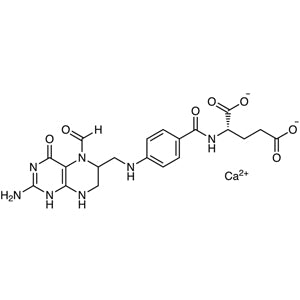
CalciumFolinate TCI C2235
Regular price From Rp 2.173.500,00Regular priceRp 1.535.100,00Sale price From Rp 2.173.500,00