All-trans-N-(4-Hydroxyphenyl)retinamide, also known as TCI H1464 65646-68-6, is a chemical compound widely used in pharmaceutical research and biochemical studies. This compound is a derivative of vitamin A and plays a crucial role in experimental settings where researchers investigate biological activities related to antioxidants, cell growth inhibition, and cancer therapy. Its presence in laboratory environments supports the development of new therapeutic approaches and the understanding of complex biochemical pathways. Due to its relevance in experimental research, it is a key component in various scientific investigations conducted in both academic and industrial laboratories.
The compound is valued for its chemical stability and controlled reactivity, making it suitable for a wide range of chemical reactions and biomedical applications. Its non-toxic nature and stability under specific conditions contribute to its safety profile, ensuring it is a reliable choice for laboratory use. Additionally, its ability to interact with specific proteins and enzymes enhances its utility in biochemical research, allowing scientists to explore molecular interactions and functional mechanisms with precision.
In Indonesian laboratories, this compound is commonly used in applied medical and pharmacological research. Researchers at universities and research institutions frequently utilize it to study the effects of retinoids on cellular processes and disease mechanisms. Its versatility and reliability make it an essential tool for advancing scientific knowledge in the field of biochemistry and pharmaceutical sciences.
- Pharmaceutical research for studying anti-cancer properties due to its ability to inhibit cell proliferation and induce apoptosis.
- Biochemical experiments focused on antioxidant activity and free radical scavenging mechanisms.
- Drug development studies involving retinoid derivatives for therapeutic applications in dermatology and oncology.
- Molecular biology research to investigate interactions with specific proteins and enzymes involved in cellular signaling.
- Toxicology studies to assess the safety and biological effects of retinoid-based compounds in experimental models.
| Brand | TCI |
|---|---|
| CAS number | 65646-68-6 |
| Molecular formula | — |
| Purity | — |
| Category | Life Science > Biochemicals and Reagents > Pharmaceutical Research Reagents |
| Pack sizes | Available in standard laboratory quantities as per supplier specifications |
| Physical form | Solid powder |
| Storage | Store in a cool, dry place away from light and moisture |
This compound should be stored in a cool, dry environment, away from direct light and moisture to maintain its chemical stability. It is recommended to use airtight containers to prevent exposure to humidity and potential degradation. Due to its controlled reactivity, it should be handled with care in laboratory settings, using appropriate personal protective equipment such as gloves and safety goggles. It is important to ensure that the compound is stored separately from incompatible substances to avoid any chemical interactions. Regular monitoring of storage conditions is advised to maintain the integrity of the material for experimental use.
—
Produk Terkait
-
TCI B5774 5,10-Bis(4,4,5,5-tetramethyl-1,3,2-dioxaborolan-2-yl)naphtho[1,2-c:5,6-c']bis([1,2,5]oxadiazole)
Regular price Rp 10.255.350,00Regular price -
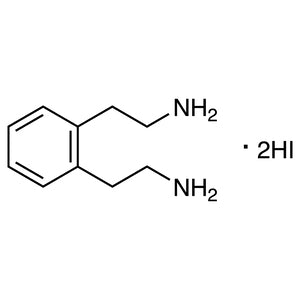
Dihydroiodide TCI B6569
Regular price From Rp 1.936.200,00Regular price -
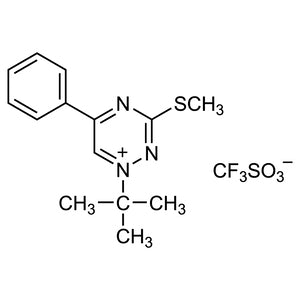
Trifluoromethanesulfonate TCI B7003
Regular price From Rp 1.936.200,00Regular price
![5,10-Bis(4,4,5,5-tetramethyl-1,3,2-dioxaborolan-2-yl)naphtho[1,2-c:5,6-c']bis([1,2,5]oxadiazole) - TCI B5774 - AMI Scientific](http://amiscientific.com/cdn/shop/files/TCI2510B5774.jpg?v=1769180228&width=533)