Acarbose is a chemical compound widely utilized in laboratory research across the fields of chemical biology and glycoscience. As an inhibitor of alpha-glucosidase, it plays a crucial role in blocking the enzymatic activity involved in carbohydrate digestion. This compound is essential for studying metabolic processes, particularly in the context of glycogen metabolism and the development of therapeutic interventions for diabetes. In laboratory settings, Acarbose serves as a key reagent for the synthesis of other compounds or as a control material in biochemical experiments.
One of the reasons Acarbose is a preferred choice in research is its chemical stability under specific conditions and its solubility in organic solvents such as ethyl acetate. These properties make it versatile for use in various chemical reactions and separation processes. Additionally, its good thermal stability ensures that it remains effective over extended periods, simplifying storage and long-term use. The availability of multiple packaging options further enhances its usability in laboratory environments.
In Indonesian laboratories, Acarbose is commonly employed in pharmacological, biochemical, and health science research. It is a valuable tool for researchers aiming to understand carbohydrate metabolism mechanisms or develop new treatments for metabolic disorders. Its reliability and consistent performance make it an essential component in many experimental protocols.
TCI brochures (PDF)
- Obesity_Diabete Research Reagents 2026-07-10 · p. 1
- Reagents for Glyco Chemistry & Biology 5th Edition · p. 90
- Pharmaceutical Ingredients for Research and Experimental Use 2026-03-09 · p. 23
- Reagents for Biological Research 2025-03-11 · p. 22
- Glycogen Metabolism Studies: Acarbose is ideal for investigating how carbohydrates are broken down and utilized in cellular processes, offering insights into metabolic pathways.
- Diabetes Research: It is frequently used to study the effects of carbohydrate digestion inhibition, aiding in the development of therapeutic strategies for diabetes management.
- Enzyme Inhibition Experiments: Its role as an alpha-glucosidase inhibitor makes it a key reagent for testing enzyme activity and inhibitor efficacy in biochemical assays.
- Drug Development: Acarbose supports the synthesis of new compounds and is used in the screening of potential pharmaceutical agents for metabolic disorders.
- Biochemical Control Substances: It serves as a standard control in experiments to ensure accurate and reproducible results in metabolic and enzymatic studies.
| Brand | TCI |
|---|---|
| CAS number | 56180-94-0 |
| Molecular formula | — |
| Purity | — |
| Category | Chemistry > Chemical Biology > Glycoscience |
| Pack sizes | Available in various sizes to suit different laboratory needs |
| Physical form | Powder |
| Storage | Store in a cool, dry place away from moisture and direct sunlight |
Acarbose should be stored in a cool, dry place, away from moisture and direct sunlight to maintain its chemical stability. It is recommended to use airtight containers to prevent exposure to humidity and contaminants. Due to its solubility in organic solvents, it should be handled with care to avoid unintended reactions. In laboratory settings, proper personal protective equipment such as gloves and safety goggles should be worn when handling the compound. Regular monitoring of storage conditions ensures that the material remains effective for its intended applications. The compound is non-hazardous under normal conditions but should be stored in a secure location to prevent accidental exposure.
—
Product Categories
- GlycoscienceApplications Using Glyco-materialsGlyco-chemical Analysis [Applications Using Glyco-materials]
- GlycoscienceEnzyme, Lectin, Antibody [Glycoscience]Glycohydrases and Related Reagents [Glycoscience]
- GlycoscienceFunctional OligosaccharidesNatural Glycosides [Functional Oligosaccharides]
- GlycoscienceTrisaccharides [Glycoscience]
- Biochemicals and ReagentsCarbohydrates
- Biochemicals and ReagentsEnzymes, Enzyme Inhibitors, Enzyme SubstratesEnzyme Inhibitors [Biochemicals and Reagents]
- Biochemicals and ReagentsPharmaceutical Research Reagents (for Experimental Use)Antidiabetic Ingredients (for Research and Experimental Use)
- Cell BiologyObesity and Diabetes Researchα-Glucosidase Inhibitors
- Pharmaceutical Development and Drug Discovery ResearchPharmaceutical Research Reagents (for Experimental Use)Antidiabetic Ingredients (for Research and Experimental Use)
Produk Terkait
-
Isomaltotriose TCI I0329
Regular price From Rp 2.439.150,00Regular priceRp 1.720.950,00Sale price From Rp 2.439.150,00 -
Digoxin TCI D1828
Regular price From Rp 1.113.000,00Regular priceRp 793.800,00Sale price From Rp 1.113.000,00 -
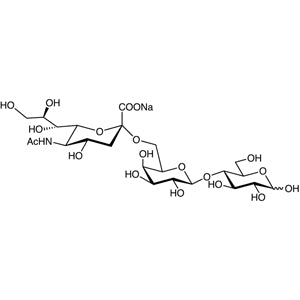
6'-SialyllactoseSodiumSalt TCI S0886
Regular price From Rp 5.485.200,00Regular priceRp 3.851.400,00Sale price From Rp 5.485.200,00 -
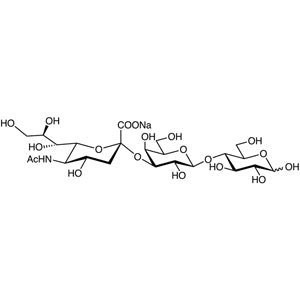
3'-SialyllactoseSodiumSalt TCI S0885
Regular price From Rp 4.399.500,00Regular priceRp 3.092.250,00Sale price From Rp 4.399.500,00 -
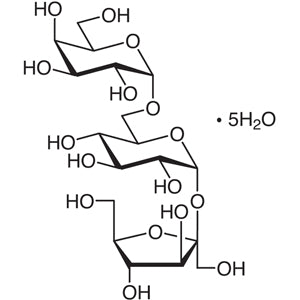
D-(+)-RaffinosePentahydrate TCI R0002
Regular price Rp 848.400,00Regular priceRp 609.000,00Sale price Rp 848.400,00 -
PectinfromCitrus TCI P0024
Regular price From Rp 637.350,00Regular priceRp 460.950,00Sale price From Rp 637.350,00 -
1-Kestose TCI K0032
Regular price From Rp 4.849.950,00Regular priceRp 3.407.250,00Sale price From Rp 4.849.950,00 -
Isomaltose TCI I0231
Regular price From Rp 1.272.600,00Regular priceRp 905.100,00Sale price From Rp 1.272.600,00