Allylcyclohexane is a chemical compound widely used as a building block in various chemical reactions, particularly in the synthesis of complex organic compounds. Its role in the laboratory is crucial for constructing molecular frameworks that can be further modified through chemical reactions to achieve specific functional properties. As a fundamental component in organic chemistry, it serves as a versatile tool for researchers aiming to develop new materials or compounds. Its presence in both academic and industrial laboratory settings highlights its importance in advancing chemical research and innovation.
This compound is preferred due to its stable yet reactive chemical properties, which enable a range of substitution and addition reactions. Its molecular structure, consisting of an allyl group and a cyclohexane ring, provides flexibility in chemical transformations. Additionally, Allylcyclohexane has relatively high boiling and melting points, which facilitate separation and purification processes. These characteristics make it a reliable choice for laboratory applications requiring controlled reaction conditions and stability.
In Indonesian laboratories, Allylcyclohexane is commonly used in chemical research and the development of new materials. It plays a key role in the synthesis of aromatic and heterocyclic compounds, contributing to both academic studies and industrial applications. Its availability and reliability make it a preferred compound for researchers seeking to explore chemical synthesis and molecular design.
TCI brochures (PDF)
- Monomers 2025-05-28 · p. 16
- Organic synthesis for creating complex aromatic and heterocyclic compounds due to its versatile molecular structure.
- Research in material science for developing new polymers and functional materials through chemical modification.
- Analytical chemistry experiments requiring stable and reactive compounds for reaction testing and characterization.
- Industrial chemical processes where controlled reactivity and molecular flexibility are essential for product development.
- Teaching and training in chemistry laboratories to demonstrate fundamental reaction mechanisms and molecular building blocks.
| Brand | TCI |
|---|---|
| CAS number | 2114-42-3 |
| Molecular formula | — |
| Purity | — |
| Category | Chemistry > Building Blocks > Non-Heterocyclic Building Blocks |
| Pack sizes | Available in standard laboratory quantities as per supplier specifications |
| Physical form | Liquid |
| Storage | Store in a cool, dry place away from direct sunlight and incompatible materials |
Allylcyclohexane should be stored in a cool, dry environment, away from direct sunlight and sources of heat. It is recommended to use sealed, airtight containers made of materials compatible with organic solvents to prevent evaporation and contamination. Due to its reactive nature, it should be kept away from strong oxidizing agents and incompatible chemicals. Proper ventilation is essential when handling this compound to minimize exposure. Laboratory personnel should wear appropriate personal protective equipment, such as gloves and safety goggles, to ensure safe handling. Regular monitoring of storage conditions is advised to maintain the compound's stability and effectiveness in experimental applications.
—
Produk Terkait
-
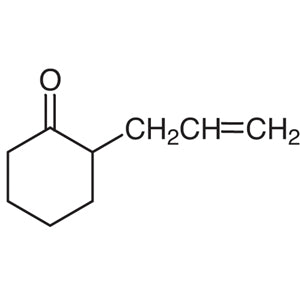
2-Allylcyclohexanone TCI A2230
Regular price From Rp 2.835.000,00Regular priceRp 1.998.150,00Sale price From Rp 2.835.000,00 -
1-Allylnaphthalene TCI A2465
Regular price Rp 4.028.850,00Regular priceRp 2.817.150,00Sale price Rp 4.028.850,00 -
Allylbenzene TCI P0609
Regular price From Rp 1.565.550,00Regular priceRp 1.094.100,00Sale price From Rp 1.565.550,00 -
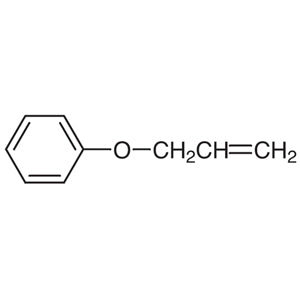
AllylPhenylEther TCI A0234
Regular price From Rp 1.140.300,00Regular priceRp 796.950,00Sale price From Rp 1.140.300,00 -
2-Allylphenol TCI A0233
Regular price From Rp 769.650,00Regular priceRp 553.350,00Sale price From Rp 769.650,00 -
AllylGlycidylEther TCI A0221
Regular price From Rp 477.750,00Regular priceRp 333.900,00Sale price From Rp 477.750,00 -
9-Vinylanthracene TCI V0130
Regular price From Rp 2.545.200,00Regular priceRp 1.779.750,00Sale price From Rp 2.545.200,00 -
5-Vinylbicyclo[221]hept-2-ene(stabilizedwithBHT) TCI V0062
Regular price From Rp 769.650,00Regular priceRp 537.600,00Sale price From Rp 769.650,00