1-Allylnaphthalene is a chemical compound widely used in laboratory settings for the synthesis of complex molecules. As a building block in organic chemistry, it serves as a versatile intermediate that can undergo various chemical reactions to form compounds with specific functional groups. Its presence in laboratory applications is particularly notable in the field of organic chemistry, where it plays a crucial role in the development of both heterocyclic and non-heterocyclic compounds. This compound is essential for researchers aiming to create new materials or pharmaceuticals through synthetic pathways.
The chemical properties of 1-Allylnaphthalene make it a preferred choice in laboratory environments. It exhibits good chemical stability and reactivity, allowing it to participate effectively in a range of chemical transformations. Its complex molecular structure enables unique reactivity in substitution and addition reactions, making it a valuable tool for synthetic chemists. The compound's ability to remain stable during reactions without significant degradation further enhances its utility in laboratory settings, ensuring reliable results in chemical synthesis.
In Indonesian laboratories, 1-Allylnaphthalene is commonly used in organic chemistry research, drug development, and the synthesis of industrial compounds. It is a key component in the work of research institutions and universities, supporting advancements in chemical sciences. Its role in creating compounds with biological activity makes it an important material for both academic and industrial applications in the region.
TCI brochures (PDF)
- Monomers 2025-05-28 · p. 16
- Organic synthesis research, where 1-Allylnaphthalene serves as a versatile building block for creating complex molecular structures.
- Drug development projects, as it is used to synthesize compounds with potential pharmaceutical applications.
- Industrial chemical production, where it contributes to the development of materials with specific functional properties.
- Academic research in chemistry, supporting studies on reaction mechanisms and synthetic pathways.
- Biologically active compound synthesis, as its reactivity allows for the creation of molecules with therapeutic potential.
| Brand | TCI |
|---|---|
| CAS number | 2489-86-3 |
| Molecular formula | — |
| Purity | — |
| Category | Chemistry > Building Blocks > Non-Heterocyclic Building Blocks |
| Pack sizes | Available in standard laboratory quantities |
| Physical form | Liquid |
| Storage | Store in a cool, dry place away from light and incompatible materials |
1-Allylnaphthalene should be stored in a cool, dry place, away from direct sunlight and sources of heat. It is recommended to keep it in a tightly sealed container to prevent exposure to air and moisture. The compound should be stored in a well-ventilated area to minimize the risk of inhalation. It is important to avoid contact with incompatible substances such as strong oxidizing agents. Proper personal protective equipment, including gloves and safety goggles, should be worn when handling this material. Regular monitoring of storage conditions ensures the compound remains stable and safe for use in laboratory settings.
—
Produk Terkait
-
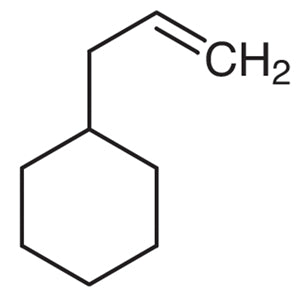
Allylcyclohexane TCI A1201
Regular price From Rp 1.140.300,00Regular priceRp 796.950,00Sale price From Rp 1.140.300,00 -
Allylbenzene TCI P0609
Regular price From Rp 1.565.550,00Regular priceRp 1.094.100,00Sale price From Rp 1.565.550,00 -
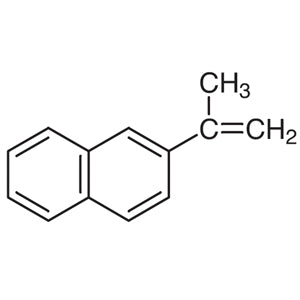
2-Isopropenylnaphthalene TCI I0413
Regular price From Rp 1.618.050,00Regular priceRp 1.130.850,00Sale price From Rp 1.618.050,00 -
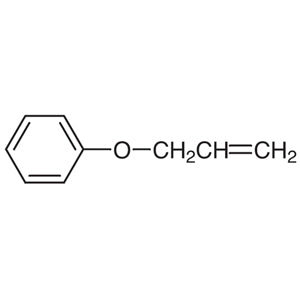
AllylPhenylEther TCI A0234
Regular price From Rp 1.140.300,00Regular priceRp 796.950,00Sale price From Rp 1.140.300,00 -
2-Allylphenol TCI A0233
Regular price From Rp 769.650,00Regular priceRp 553.350,00Sale price From Rp 769.650,00 -
AllylGlycidylEther TCI A0221
Regular price From Rp 477.750,00Regular priceRp 333.900,00Sale price From Rp 477.750,00 -
9-Vinylanthracene TCI V0130
Regular price From Rp 2.545.200,00Regular priceRp 1.779.750,00Sale price From Rp 2.545.200,00 -
5-Vinylbicyclo[221]hept-2-ene(stabilizedwithBHT) TCI V0062
Regular price From Rp 769.650,00Regular priceRp 537.600,00Sale price From Rp 769.650,00