3-Phenylpropyl Acetate is a chemical compound widely used in laboratory settings for its versatility in chemical reactions. It serves as a building block in the synthesis of complex organic molecules, making it an essential reagent for chemists working in research and development. This compound is commonly utilized in both academic and industrial laboratories, where it plays a crucial role in the creation of organic chemicals, pharmaceuticals, and food additives. Its presence in various chemical processes highlights its importance in modern chemical research and application.
The compound is valued for its stable chemical properties and controlled reactivity, which make it a preferred choice in synthetic chemistry. Its molecular structure is well-defined, allowing for predictable behavior in chemical reactions, which is vital for achieving consistent experimental results. Additionally, its solubility in organic solvents simplifies the process of mixing and separation, enhancing efficiency in laboratory workflows. These characteristics make it a reliable and effective reagent for a wide range of chemical applications.
In Indonesian laboratories, 3-Phenylpropyl Acetate is frequently used in scientific research, particularly in the fields of organic chemistry and pharmacy. It is commonly employed in the synthesis of new compounds, drug development, and the study of complex chemical reactions. Its availability in the local market ensures that researchers have access to this essential material for their experiments and projects.
Related TCI products
- TCI I0425 103-58-2 3-Phenylpropyl Isobutyrate
- TCI B5981 333387-97-6 tert-Butyl (3-Oxo-3-phenylpropyl)carbamate
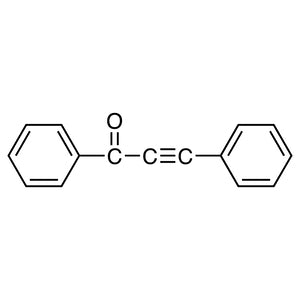
- TCI D6145 7338-94-5 1,3-Diphenylprop-2-yn-1-one
- TCI B6397 1774-66-9 3-(4-Bromophenyl)-1-phenylprop-2-en-1-one
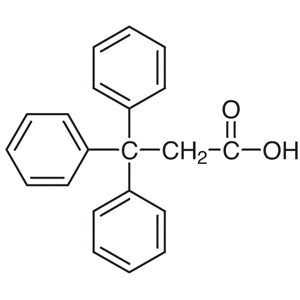
- TCI T1558 900-91-4 3,3,3-Triphenylpropionic Acid
- TCI P3132 620-71-3 N-Phenylpropanamide
- Organic synthesis applications benefit from 3-Phenylpropyl Acetate due to its stable structure and predictable reactivity, enabling the creation of complex molecules with high precision.
- Pharmaceutical research utilizes this compound as a key reagent in the development of new drugs, supporting the synthesis of bioactive compounds with therapeutic potential.
- Food additive formulation processes rely on its solubility properties, allowing for the production of safe and effective food-related chemicals.
- Industrial chemical production incorporates this material for the manufacture of various organic compounds used in multiple sectors.
- Research on chemical reaction mechanisms benefits from its well-defined molecular structure, facilitating the study of reaction pathways and kinetics.
| Brand | TCI |
|---|---|
| CAS number | 122-72-5 |
| Molecular formula | — |
| Purity | — |
| Category | Chemistry > Building Blocks > Non-Heterocyclic Building Blocks |
| Pack sizes | Available in various quantities as per standard laboratory supply |
| Physical form | Liquid |
| Storage | Store in a cool, dry place away from direct sunlight and incompatible materials |
3-Phenylpropyl Acetate should be stored in a cool, dry environment to maintain its chemical stability. It is recommended to keep the compound in a tightly sealed container to prevent exposure to air and moisture. Suitable storage containers include glass or high-density polyethylene bottles, which are resistant to chemical degradation. In laboratory settings, it is important to handle the compound with appropriate personal protective equipment, such as gloves and safety goggles, to ensure safety. The compound should be kept away from incompatible substances like strong oxidizers or acids. Regular inspection of storage conditions is advised to ensure the integrity of the material over time.
—
Produk Terkait
-
3-PhenylpropylIsobutyrate TCI I0425
Regular price Rp 477.750,00Regular priceRp 333.900,00Sale price Rp 477.750,00 -
tert-Butyl(3-Oxo-3-phenylpropyl)carbamate TCI B5981
Regular price Rp 4.636.800,00Regular priceRp 3.258.150,00Sale price Rp 4.636.800,00 -
1,3-Diphenylprop-2-yn-1-one TCI D6145
Regular price Rp 6.042.750,00Regular priceRp 4.225.200,00Sale price Rp 6.042.750,00 -
3-(4-Bromophenyl)-1-phenylprop-2-en-1-one TCI B6397
Regular price Rp 4.982.250,00Regular priceRp 3.499.650,00Sale price Rp 4.982.250,00 -
3,3,3-TriphenylpropionicAcid TCI T1558
Regular price From Rp 1.723.050,00Regular priceRp 1.220.100,00Sale price From Rp 1.723.050,00 -
N-Phenylpropanamide TCI P3132
Regular price From Rp 2.782.500,00Regular priceRp 1.961.400,00Sale price From Rp 2.782.500,00 -
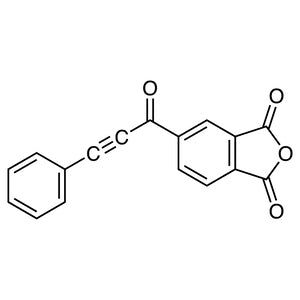
5-(3-Phenylpropioloyl)isobenzofuran-1,3-dione TCI P2899
Regular price From Rp 1.618.050,00Regular priceRp 1.146.600,00Sale price From Rp 1.618.050,00 -
3-Phenylpropiolaldehyde TCI P2248
Regular price Rp 1.776.600,00Regular priceRp 1.242.150,00Sale price Rp 1.776.600,00