N-Phenylpropanamide is a chemical compound widely used in laboratory settings for the synthesis of complex molecules. As a key building block in organic chemistry, it plays a crucial role in various chemical reactions, particularly in substitution reactions and the formation of amide bonds. This compound is commonly utilized in the development of heterocyclic and organic compounds, making it an essential reagent for chemists engaged in research and development. Its versatility and reactivity make it a valuable tool in both academic and industrial laboratories.
The compound is favored for its stable molecular structure and its ability to react efficiently with a wide range of reagents. These properties contribute to its effectiveness in synthetic pathways, allowing researchers to achieve desired chemical transformations with high reliability. Its chemical stability also ensures that it remains viable for use under various experimental conditions, which is critical for maintaining the integrity of laboratory processes. The ease with which it can be incorporated into different reaction schemes further enhances its appeal among chemists.
In Indonesian laboratories, N-Phenylpropanamide is frequently used in organic chemistry research and the synthesis of complex compounds. It is a popular choice among researchers due to its reliability and the broad range of applications it supports. Its presence in scientific studies contributes to the advancement of chemical knowledge and the development of new compounds with potential industrial or medical applications.
Related TCI products
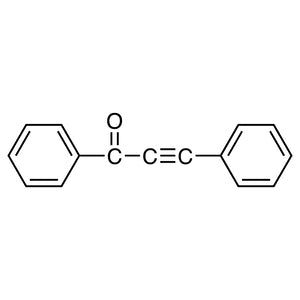
- TCI D6145 7338-94-5 1,3-Diphenylprop-2-yn-1-one
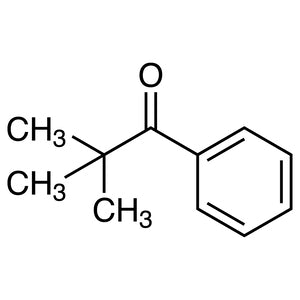
- TCI D6091 938-16-9 2,2-Dimethyl-1-phenylpropan-1-one
- TCI B6397 1774-66-9 3-(4-Bromophenyl)-1-phenylprop-2-en-1-one
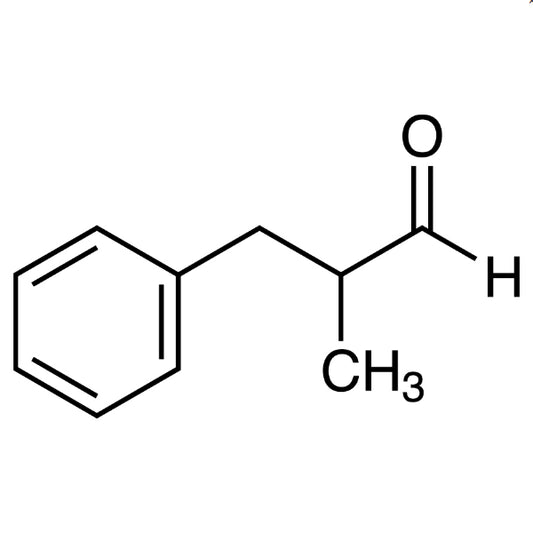
- TCI M3635 5445-77-2 2-Methyl-3-phenylpropanal
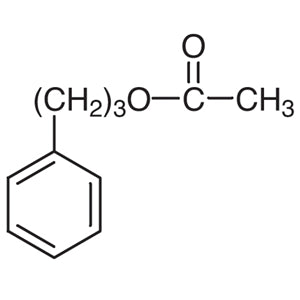
- TCI A1225 122-72-5 3-Phenylpropyl Acetate
- TCI B5981 333387-97-6 tert-Butyl (3-Oxo-3-phenylpropyl)carbamate
- Organic synthesis for the creation of heterocyclic compounds due to its reactivity and structural versatility.
- Amide bond formation in peptide chemistry and pharmaceutical research for compound development.
- Substitution reactions in functional group modification for the synthesis of complex organic molecules.
- Research in medicinal chemistry for the development of new drugs and therapeutic agents.
- Industrial chemical processes requiring stable and reactive building blocks for large-scale production.
| Brand | TCI |
|---|---|
| CAS number | 620-71-3 |
| Molecular formula | — |
| Purity | — |
| Category | Chemistry > Building Blocks > Non-Heterocyclic Building Blocks |
| Pack sizes | Available in various quantities as per standard laboratory supply |
| Physical form | Solid |
| Storage | Store in a cool, dry place away from direct sunlight and moisture |
N-Phenylpropanamide should be stored in a cool, dry environment to maintain its chemical stability. It is recommended to keep the compound in airtight containers to prevent exposure to moisture and air, which could affect its reactivity. Laboratory personnel should handle the material with care, using appropriate personal protective equipment such as gloves and safety goggles. It is important to ensure that the compound is stored away from incompatible substances to avoid any potential chemical interactions. Proper labeling of storage containers is essential for safe handling and to prevent accidental use in unsuitable conditions.
—
Produk Terkait
-
1,3-Diphenylprop-2-yn-1-one TCI D6145
Regular price Rp 6.042.750,00Regular price -
2,2-Dimethyl-1-phenylpropan-1-one TCI D6091
Regular price Rp 2.386.650,00Regular price -
3-(4-Bromophenyl)-1-phenylprop-2-en-1-one TCI B6397
Regular price Rp 4.929.750,00Regular price -
2-Methyl-3-phenylpropanal TCI M3635
Regular price Rp 2.359.350,00Regular price -
3-PhenylpropylAcetate TCI A1225
Regular price Rp 477.750,00Regular price -
tert-Butyl(3-Oxo-3-phenylpropyl)carbamate TCI B5981
Regular price Rp 4.584.300,00Regular price -
Methyl3-Oxo-3-phenylpropanoate TCI M3475
Regular price Rp 3.922.800,00Regular price -
Methyl2-Phenylpropanoate TCI M3461
Regular price Rp 2.730.000,00Regular price