4-Amino-5-chloro-o-anisic Acid is a chemical compound widely used in laboratory settings for its versatility in chemical and biochemical experiments. This compound plays a crucial role in peptide chemistry, where it serves as a building block for the synthesis of complex molecules with specific biological activities. Its presence in research is essential for the development of new pharmaceuticals and the modification of biological compounds. Due to its chemical stability and controlled reactivity, it is a reliable material for various synthetic processes in the lab.
The compound’s unique chemical structure, featuring an amino group and a chloro substituent, contributes to its high reactivity and polarity. These properties make it suitable for substitution reactions and the formation of peptide bonds, which are fundamental in protein synthesis. Its high purity and consistent quality ensure reliable results in experiments that demand precision and accuracy. As a result, it is a favored choice among researchers working in chemical biology and related fields.
In Indonesian laboratories, 4-Amino-5-chloro-o-anisic Acid is commonly used in biomedical, pharmacological, and organic chemistry research. Local scientists rely on this compound for drug development and the modification of biological molecules. Its availability in the local market supports ongoing research efforts, enabling scientists to conduct experiments without logistical hindrances. This compound is a key component in the advancement of scientific studies in Indonesia.
Related TCI products
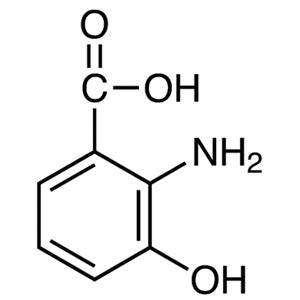
- TCI A0316 548-93-6 2-Amino-3-hydroxybenzoic Acid
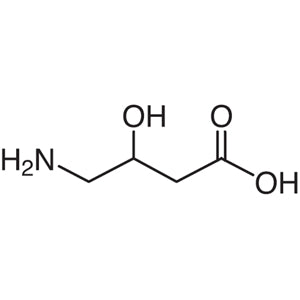
- TCI A0318 924-49-2 4-Amino-3-hydroxybutyric Acid
- TCI A0382 644-90-6 DL-2-Amino-n-octanoic Acid
- TCI B5322 159622-10-3 (1R,2S)-1-[(tert-Butoxycarbonyl)amino]-2-vinylcyclopropanecarboxylic Acid
- TCI B3138 88950-64-5 1-[(tert-Butoxycarbonyl)amino]cyclopropanecarboxylic Acid
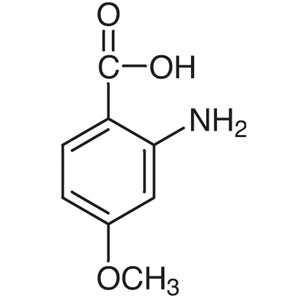
- TCI A2319 4294-95-5 2-Amino-4-methoxybenzoic Acid
- Peptide Synthesis: This compound is ideal for synthesizing peptides due to its amino group, which facilitates bond formation in peptide chains.
- Drug Development: Its chemical structure allows for the modification of biological compounds, making it useful in pharmaceutical research.
- Organic Chemistry Reactions: The compound’s reactivity and polarity make it suitable for substitution reactions and other organic transformations.
- Biochemical Research: It is used in experiments that require precise chemical interactions, supporting studies in molecular biology.
- Biomedical Applications: Its role in creating bioactive molecules supports research in biomedicine and therapeutic development.
| Brand | TCI |
|---|---|
| CAS number | 7206-70-4 |
| Molecular formula | — |
| Purity | — |
| Category | Chemistry > Chemical Biology > Peptide Chemistry |
| Pack sizes | Available in various quantities as per supplier specifications |
| Physical form | Solid |
| Storage | Store in a cool, dry place away from light and moisture |
This compound should be stored in a cool, dry environment, away from direct light and moisture to maintain its chemical integrity. It is recommended to use airtight containers to prevent exposure to air and humidity, which could affect its stability. Since it is a solid, it should be kept in a secure location to avoid contamination or accidental spills. Laboratory personnel should wear appropriate personal protective equipment when handling the compound to ensure safety. Proper labeling of storage containers is essential for easy identification and safe handling. Always follow standard laboratory safety protocols to minimize risks associated with chemical exposure.
—
Product Categories
Produk Terkait
-
2-Amino-3-hydroxybenzoicAcid TCI A0316
Regular price From Rp 3.312.750,00Regular priceRp 2.332.050,00Sale price From Rp 3.312.750,00 -
4-Amino-3-hydroxybutyricAcid TCI A0318
Regular price From Rp 1.167.600,00Regular priceRp 831.600,00Sale price From Rp 1.167.600,00 -
DL-2-Amino-n-octanoicAcid TCI A0382
Regular price From Rp 2.332.050,00Regular priceRp 1.646.400,00Sale price From Rp 2.332.050,00 -
(1R,2S)-1-[(tert-Butoxycarbonyl)amino]-2-vinylcyclopropanecarboxylicAcid TCI B5322
Regular price From Rp 689.850,00Regular priceRp 497.700,00Sale price From Rp 689.850,00 -
1-[(tert-Butoxycarbonyl)amino]cyclopropanecarboxylicAcid TCI B3138
Regular price From Rp 3.207.750,00Regular priceRp 2.258.550,00Sale price From Rp 3.207.750,00 -
2-Amino-4-methoxybenzoicAcid TCI A2319
Regular price From Rp 1.670.550,00Regular priceRp 1.183.350,00Sale price From Rp 1.670.550,00 -
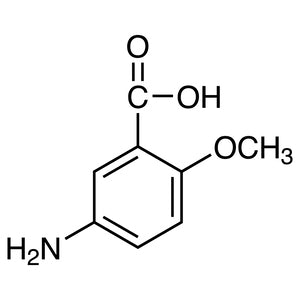
5-Amino-2-methoxybenzoicAcid TCI A2184
Regular price Rp 1.167.600,00Regular priceRp 831.600,00Sale price Rp 1.167.600,00 -
4-Amino-N-(tert-butoxycarbonyl)-L-phenylalanine TCI A2131
Regular price From Rp 2.147.250,00Regular priceRp 1.517.250,00Sale price From Rp 2.147.250,00