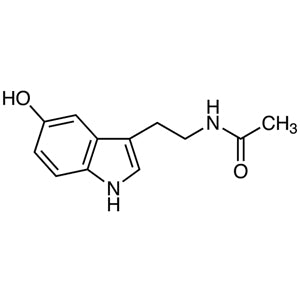
N-Acetyl-5-hydroxytryptamine is a chemical compound with a heterocyclic structure, widely used in scientific and industrial applications. It belongs to the category of building blocks in chemistry, serving as a fundamental component for the synthesis of more complex compounds. In the laboratory, this compound is often used as a starting material for producing bioactive substances such as neurotransmitters and pharmaceuticals. Its role is critical in organic chemistry and pharmacological research, where it contributes to the development of new drugs and biochemical studies.
This compound is valued for its stable chemical properties and controlled reactivity, making it a preferred choice for researchers. Its ability to participate in various chemical reactions allows for the modification of molecular structures, which is essential in synthetic chemistry. The presence of both an amine group and a hydroxyl group enhances its reactivity, enabling it to interact with a wide range of reagents. These characteristics make it a versatile tool in laboratories that require precise chemical transformations.
In Indonesian laboratories, N-Acetyl-5-hydroxytryptamine is commonly used in chemical, pharmaceutical, and biochemical research. Researchers frequently utilize it to explore new synthetic pathways and to develop compounds with potential therapeutic applications. Its availability and reliability make it a key component in the pursuit of scientific innovation within the region.
Related TCI products
- Organic synthesis research benefits from this compound due to its reactivity and structural versatility, enabling the creation of complex molecules.
- Pharmaceutical development utilizes N-Acetyl-5-hydroxytryptamine as a precursor for synthesizing bioactive compounds with therapeutic potential.
- Biochemical studies leverage its properties to investigate molecular interactions and biological activity in various systems.
- Educational institutions use it for teaching advanced chemical synthesis techniques and molecular structure modification.
- Analytical chemistry applications involve its use in characterizing chemical reactions and understanding reaction mechanisms.
| Brand | TCI |
|---|---|
| CAS number | 1210-83-9 |
| Molecular formula | — |
| Purity | — |
| Category | Chemistry > Building Blocks > Heterocyclic Building Blocks |
| Pack sizes | — |
| Physical form | — |
| Storage | Store in a cool, dry place away from light |
N-Acetyl-5-hydroxytryptamine should be stored in a cool, dry environment to maintain its chemical stability. It is recommended to keep the compound in a sealed container to prevent exposure to moisture and air, which could affect its reactivity. Suitable containers include glass or polyethylene vessels that are resistant to chemical degradation. In a laboratory setting, it is important to handle the compound with care, using appropriate personal protective equipment such as gloves and goggles. Avoid direct contact with skin and eyes, and ensure proper ventilation when working with this material. Proper storage and handling practices help preserve the integrity of the compound and ensure safe laboratory operations.
—
Produk Terkait
-
TryptamineHydrochloride TCI A0300
Regular price Rp 557.550,00Regular priceRp 405.300,00Sale price Rp 557.550,00 -
Tryptamine TCI T0890
Regular price Rp 2.147.250,00Regular priceRp 1.517.250,00Sale price Rp 2.147.250,00 -
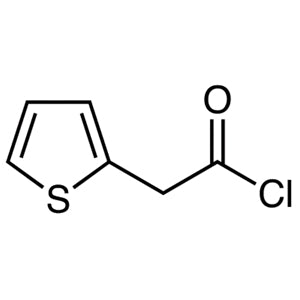
Thiophene-2-acetylChloride TCI T1751
Regular price Rp 1.829.100,00Regular priceRp 1.294.650,00Sale price Rp 1.829.100,00 -
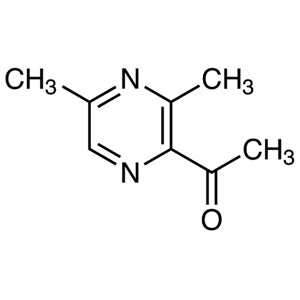
2-Acetyl-3,5-dimethylpyrazine(contains2-Acetyl-3,6-dimethylpyrazine) TCI A3326
Regular price Rp 1.378.650,00Regular priceRp 979.650,00Sale price Rp 1.378.650,00 -
2-Acetyl-2-thiazoline TCI A3264
Regular price Rp 1.881.600,00Regular priceRp 1.331.400,00Sale price Rp 1.881.600,00 -
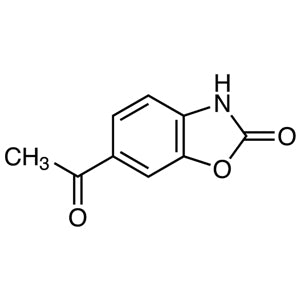
6-Acetyl-2-benzoxazolinone TCI A2907
Regular price Rp 1.272.600,00Regular priceRp 905.100,00Sale price Rp 1.272.600,00 -
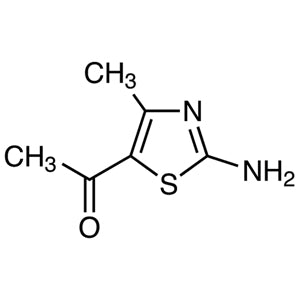
5-Acetyl-2-amino-4-methylthiazole TCI A2887
Regular price Rp 822.150,00Regular priceRp 590.100,00Sale price Rp 822.150,00 -
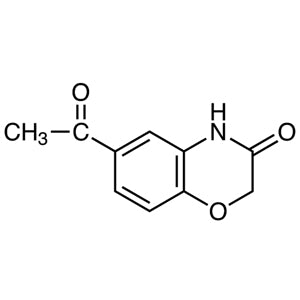
6-Acetyl-2H-1,4-benzoxazin-3(4H)-one TCI A2755
Regular price Rp 1.298.850,00Regular priceRp 924.000,00Sale price Rp 1.298.850,00