TCI A1306 92-15-9 o-Acetoacetanisidide is a chemical compound widely used in laboratory settings for the synthesis of complex molecules. As a building block in organic chemistry, it plays a crucial role in the development of heterocyclic structures and functional compounds. This reagent is essential for researchers and students engaged in chemical synthesis experiments, offering versatility in reaction pathways. Its ability to react with various reagents makes it a valuable tool in both academic and industrial research environments.
The compound is known for its chemical stability under controlled conditions, yet it exhibits high reactivity when exposed to elevated temperatures or catalytic influences. This reactivity allows it to participate in a wide range of chemical transformations, including substitution and coupling reactions. Its relatively simple molecular structure facilitates easy modification, making it a preferred choice for synthetic chemists. The compound's predictable behavior and compatibility with multiple reaction conditions contribute to its widespread use in laboratory applications.
In Indonesian laboratories, o-Acetoacetanisidide is commonly used in organic synthesis experiments. It is a fundamental component in the development of new compounds with industrial or pharmaceutical applications. Researchers and students rely on this compound for its reliability and effectiveness in producing complex chemical structures. Its availability and ease of use make it an essential material in chemical laboratories across Indonesia.
- Organic Synthesis: o-Acetoacetanisidide is ideal for creating complex molecular structures due to its reactivity and compatibility with various reagents.
- Heterocyclic Compound Development: Its ability to form heterocyclic rings makes it a preferred choice for synthesizing bioactive compounds.
- Functional Group Modification: The compound is useful in modifying functional groups through substitution or coupling reactions.
- Pharmaceutical Research: It is frequently used in the development of new drugs and therapeutic agents due to its structural versatility.
- Academic Teaching: It serves as an educational tool for students learning about chemical synthesis and reaction mechanisms.
| Brand | TCI |
|---|---|
| CAS number | 92-15-9 |
| Molecular formula | — |
| Purity | — |
| Category | Chemistry > Building Blocks > Non-Heterocyclic Building Blocks |
| Pack sizes | Available in various quantities as per supplier specifications |
| Physical form | Solid |
| Storage | Store in a cool, dry place away from light and moisture |
o-Acetoacetanisidide should be stored in a cool, dry environment to maintain its chemical stability. It is recommended to keep the compound in airtight containers to prevent moisture absorption and contamination. Due to its reactivity, it should be handled in a well-ventilated area, ideally under a fume hood, to minimize exposure. Avoid direct contact with skin and eyes, and use appropriate personal protective equipment such as gloves and safety goggles. The compound is best stored in a sealed container made of inert material to prevent chemical interactions. Regular monitoring of storage conditions ensures the compound remains suitable for use in laboratory applications.
—
Produk Terkait
-
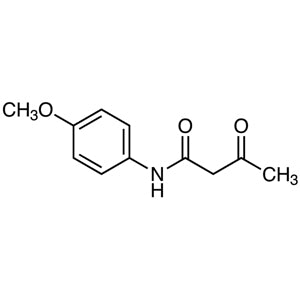
p-Acetoacetanisidide TCI A1307
Regular price From Rp 582.750,00Regular priceRp 423.150,00Sale price From Rp 582.750,00 -
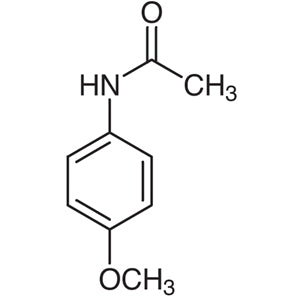
p-Acetanisidide TCI A0019
Regular price From Rp 1.670.550,00Regular priceRp 1.183.350,00Sale price From Rp 1.670.550,00 -
IsopropylAcetoacetate TCI I0826
Regular price From Rp 1.033.200,00Regular priceRp 738.150,00Sale price From Rp 1.033.200,00 -
LithiumAcetoacetate TCI A1478
Regular price From Rp 3.232.950,00Regular priceRp 2.276.400,00Sale price From Rp 3.232.950,00 -
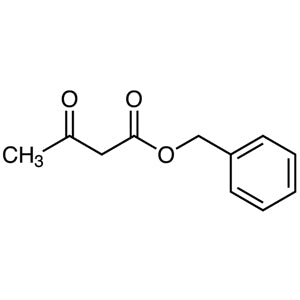
BenzylAcetoacetate TCI A1080
Regular price From Rp 1.220.100,00Regular priceRp 868.350,00Sale price From Rp 1.220.100,00 -
n-OctylAcetoacetate TCI A0915
Regular price Rp 3.419.850,00Regular priceRp 2.406.600,00Sale price Rp 3.419.850,00 -
HexylAcetoacetate TCI A0913
Regular price Rp 2.093.700,00Regular priceRp 1.479.450,00Sale price Rp 2.093.700,00 -
PropylAcetoacetate TCI A0817
Regular price Rp 2.093.700,00Regular priceRp 1.479.450,00Sale price Rp 2.093.700,00