4-Acetyl-4'-methylbiphenyl is a chemical compound widely used in organic synthesis reactions within laboratory settings. It belongs to the category of non-heterocyclic building blocks and serves as a foundational material for the creation of more complex chemical structures. Its unique molecular structure, featuring acetyl and methyl groups at specific positions on the biphenyl framework, makes it a versatile reagent in various synthetic pathways. This compound is particularly valued for its role in substitution, coupling, and structural modification reactions, where its predictable behavior and stability are crucial for successful experimentation.
The compound is preferred due to its stable chemical structure and controlled reactivity, which allow for precise manipulation in laboratory conditions. It exhibits good solubility in organic solvents, facilitating efficient separation and purification of final products. These properties make it a reliable choice for both academic and industrial research. Additionally, its well-defined physical and chemical characteristics ensure accurate and reproducible results, which are essential in laboratory environments where precision is paramount.
In Indonesian laboratories, 4-Acetyl-4'-methylbiphenyl is commonly used in organic chemistry research, supporting both educational and scientific endeavors. It is a key component in experiments that require the synthesis of complex aromatic compounds. Many research institutions and universities in Indonesia rely on this compound as an essential reagent for advancing chemical knowledge and developing new synthetic methodologies.
- Organic synthesis of complex aromatic compounds due to its stable structure and controlled reactivity.
- Coupling reactions where the biphenyl framework provides a suitable scaffold for molecular assembly.
- Structural modification experiments to explore the effects of substituents on molecular behavior.
- Educational demonstrations in undergraduate chemistry courses to illustrate synthetic pathways.
- Research in pharmaceutical and materials science for the development of novel chemical entities.
| Brand | TCI |
|---|---|
| CAS number | 5748-38-9 |
| Molecular formula | — |
| Purity | — |
| Category | Chemistry > Building Blocks > Non-Heterocyclic Building Blocks |
| Pack sizes | Available in standard laboratory quantities |
| Physical form | Solid crystalline powder |
| Storage | — |
This compound should be stored in a cool, dry, and well-ventilated area away from direct sunlight and sources of heat. It is recommended to use airtight containers made of glass or high-density polyethylene to prevent contamination and maintain purity. Due to its chemical stability, it does not require special refrigeration but should be kept in a secure location to avoid accidental exposure. In laboratory settings, it is important to handle the compound with appropriate personal protective equipment, such as gloves and safety goggles, to ensure safe handling and prevent any potential hazards.
—
Produk Terkait
-
4-Acetyl-4'-bromobiphenyl TCI A1410
Regular price Rp 2.571.450,00Regular priceRp 1.797.600,00Sale price Rp 2.571.450,00 -
4-(3-Buten-1-yl)-4'-methylbiphenyl TCI B5872
Regular price Rp 2.094.750,00Regular priceRp 1.464.750,00Sale price Rp 2.094.750,00 -
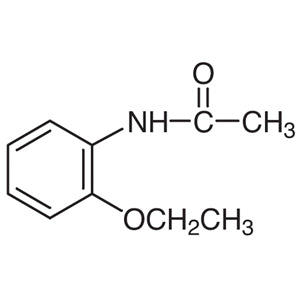
N-Acetyl-o-phenetidine TCI A0103
Regular price Rp 2.677.500,00Regular priceRp 1.887.900,00Sale price Rp 2.677.500,00 -
AcetylIodide TCI A0095
Regular price From Rp 6.438.600,00Regular priceRp 4.518.150,00Sale price From Rp 6.438.600,00 -
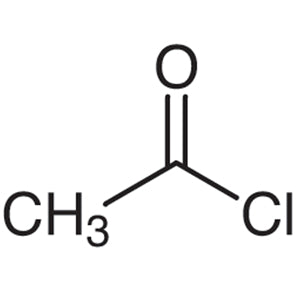
AcetylChloride TCI A0082
Regular price From Rp 848.400,00Regular priceRp 609.000,00Sale price From Rp 848.400,00 -
AcetylBromide TCI A0080
Regular price From Rp 742.350,00Regular priceRp 534.450,00Sale price From Rp 742.350,00 -
2-(Benzyloxy)acetylChloride TCI B3665
Regular price From Rp 1.776.600,00Regular priceRp 1.257.900,00Sale price From Rp 1.776.600,00 -
2-Acetyl-7-bromofluorene TCI A3061
Regular price Rp 3.180.450,00Regular priceRp 2.239.650,00Sale price Rp 3.180.450,00