2-(4-Aminophenyl)ethylamine is a chemical compound widely used as a foundational building block in the synthesis of complex molecules. This versatile reagent plays a crucial role in laboratory settings, where it serves as a key component in various chemical reactions. Its molecular structure allows for participation in multiple types of chemical reactions, including substitution and condensation reactions, making it an essential tool for chemists. Due to its reactivity and adaptability, it is frequently employed in the development of pharmaceuticals, organic chemicals, and industrial products.
The compound's reactivity and chemical stability under controlled conditions make it a preferred choice for researchers. Its ability to interact with various functional groups enables it to be used in a wide range of synthetic pathways. However, its reactivity also means it requires careful handling, particularly in environments with high temperatures or oxidative conditions. This characteristic makes it ideal for applications requiring rapid or specific chemical reactions, enhancing its utility in both academic and industrial research.
In Indonesian laboratories, 2-(4-Aminophenyl)ethylamine is commonly used in organic chemistry research, especially in the development of new chemical compounds and pharmaceuticals. Its availability through suppliers like AMI Scientific ensures that researchers have access to this essential reagent for their experiments and innovations.
Related TCI products
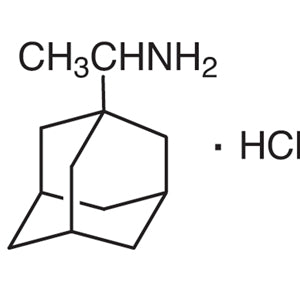
- TCI R0070 1501-84-4 1-(1-Adamantyl)ethylamine Hydrochloride
- TCI M2004 1836-62-0 2-(2-Methoxyphenoxy)ethylamine
- TCI M1794 64464-07-9 2-(2-Methoxyphenoxy)ethylamine Hydrochloride
- TCI E0399 75-23-0 Ethylamine Trifluoroborane
- TCI T3614 75-50-3 Trimethylamine (ca. 8% in Toluene, ca. 1mol/L)
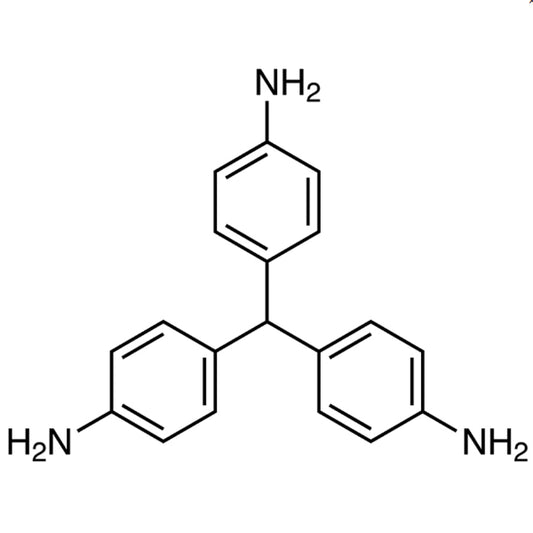
- TCI T3599 548-61-8 Tris(4-aminophenyl)methane
- Organic synthesis applications benefit from this compound's ability to participate in multiple reaction types, enabling the creation of complex molecular structures.
- Pharmaceutical research utilizes this reagent for the development of new drug compounds due to its reactivity with various functional groups.
- Industrial chemical production relies on this compound for the synthesis of specialty chemicals and intermediates in manufacturing processes.
- Academic research projects incorporate this material for teaching and experimental purposes in undergraduate and graduate chemistry courses.
- Analytical chemistry uses this compound as a standard reference material for calibrating instruments and validating chemical reaction pathways.
| Brand | TCI |
|---|---|
| CAS number | 13472-00-9 |
| Molecular formula | — |
| Purity | — |
| Category | Chemistry > Building Blocks > Non-Heterocyclic Building Blocks |
| Pack sizes | Available in various quantities as per supplier specifications |
| Physical form | Liquid or solid, depending on the specific formulation |
| Storage | Store in a cool, dry place away from direct sunlight and incompatible materials |
This compound should be stored in a cool, dry environment, away from direct sunlight and sources of heat. It is recommended to use airtight containers to prevent exposure to moisture and air, which may affect its stability. Due to its reactivity, it should be kept separate from strong oxidizing agents and incompatible substances. Proper personal protective equipment, such as gloves and safety goggles, should be worn when handling this material. Regular monitoring of storage conditions is essential to ensure the compound remains in optimal condition for use in laboratory applications.
—
Produk Terkait
-
1-(1-Adamantyl)ethylamineHydrochloride TCI R0070
Regular price Rp 1.140.300,00Regular priceRp 812.700,00Sale price Rp 1.140.300,00 -
2-(2-Methoxyphenoxy)ethylamine TCI M2004
Regular price Rp 1.405.950,00Regular priceRp 998.550,00Sale price Rp 1.405.950,00 -
2-(2-Methoxyphenoxy)ethylamineHydrochloride TCI M1794
Regular price From Rp 610.050,00Regular priceRp 442.050,00Sale price From Rp 610.050,00 -
EthylamineTrifluoroborane TCI E0399
Regular price Rp 743.400,00Regular priceRp 519.750,00Sale price Rp 743.400,00 -
Trimethylamine(ca.8%inToluene,ca.1mol/L) TCI T3614
Regular price Rp 1.087.800,00Regular priceRp 760.200,00Sale price Rp 1.087.800,00 -
Tris(4-aminophenyl)methane TCI T3599
Regular price From Rp 3.710.700,00Regular priceRp 2.610.300,00Sale price From Rp 3.710.700,00 -
Tetrakis(4-aminophenyl)methane TCI T2947
Regular price From Rp 1.908.900,00Regular priceRp 1.350.300,00Sale price From Rp 1.908.900,00 -
Trimethylamine(ca.25%inIsopropylAlcohol,ca.3mol/L) TCI T2893
Regular price From Rp 717.150,00Regular priceRp 500.850,00Sale price From Rp 717.150,00