2-(2-Methoxyphenoxy)ethylamine is a chemical compound widely used as a foundational building block in the synthesis of complex molecules. This versatile reagent plays a crucial role in organic chemistry laboratories, where it serves as a key intermediate in the development of various chemical structures. Its unique molecular structure allows it to participate in a range of chemical reactions, making it an essential tool for researchers aiming to create compounds with specific biological or industrial applications. Due to its reactivity and adaptability, it is frequently employed in the creation of bioactive molecules, including pharmaceuticals and specialty chemicals.
The compound’s chemical properties make it a preferred choice for laboratory use. It exhibits stability under controlled conditions, yet it is highly sensitive to moisture and oxidation, requiring careful handling. These characteristics necessitate precise storage and application methods to maintain its effectiveness. Its ability to react with a variety of reagents further enhances its utility in synthetic processes, allowing chemists to tailor its behavior to meet specific experimental needs. This combination of reactivity and specificity makes it a valuable asset in modern chemical research.
In Indonesian laboratories, 2-(2-Methoxyphenoxy)ethylamine is extensively used in organic chemistry research, particularly in pharmacology and the synthesis of active compounds. It is a common component in experiments requiring precise and consistent raw materials. Educational and research institutions in Indonesia rely on this compound for its reliability and versatility, supporting both academic studies and industrial applications in the chemical sector.
Related TCI products
- TCI M1794 64464-07-9 2-(2-Methoxyphenoxy)ethylamine Hydrochloride
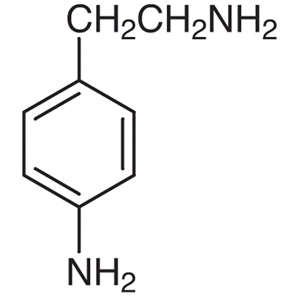
- TCI A1509 13472-00-9 2-(4-Aminophenyl)ethylamine
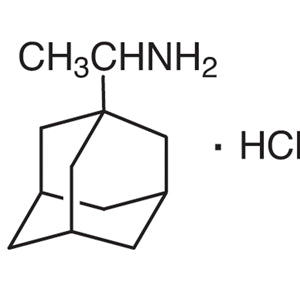
- TCI R0070 1501-84-4 1-(1-Adamantyl)ethylamine Hydrochloride
- TCI E0399 75-23-0 Ethylamine Trifluoroborane
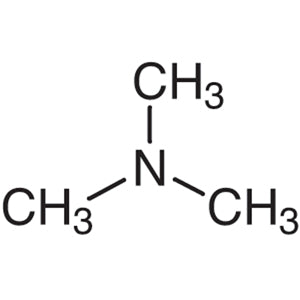
- TCI T3614 75-50-3 Trimethylamine (ca. 8% in Toluene, ca. 1mol/L)
- TCI T2893 75-50-3 Trimethylamine (ca. 25% in Isopropyl Alcohol, ca. 3mol/L)
- Organic synthesis of bioactive compounds due to its reactivity and structural versatility.
- Pharmaceutical research for the development of drug molecules with specific biological activities.
- Industrial chemical production where precise molecular building blocks are required.
- Academic studies in pharmacology and medicinal chemistry for experimental consistency.
- Compound modification processes that require stable and reactive intermediates.
| Brand | TCI |
|---|---|
| CAS number | 1836-62-0 |
| Molecular formula | — |
| Purity | — |
| Category | Chemistry > Building Blocks > Non-Heterocyclic Building Blocks |
| Pack sizes | Available in standard laboratory quantities |
| Physical form | Solid |
| Storage | Must be stored in a dry, cool environment away from moisture and oxidizing agents. |
This compound should be stored in a dry, cool environment to prevent moisture-induced degradation. It is recommended to use airtight containers made of materials that resist chemical interaction, such as glass or high-density polyethylene. Due to its sensitivity to oxidation, it should be kept away from strong oxidizing agents and direct exposure to air. Laboratory personnel should wear appropriate personal protective equipment, including gloves and safety goggles, when handling the compound. Regular monitoring of storage conditions is essential to ensure the compound remains chemically stable and suitable for use in experiments. Proper labeling and secure storage are necessary to prevent accidental exposure and maintain laboratory safety standards.
—
Produk Terkait
-
2-(2-Methoxyphenoxy)ethylamineHydrochloride TCI M1794
Regular price From Rp 557.550,00Regular price -
2-(4-Aminophenyl)ethylamine TCI A1509
Regular price From Rp 1.087.800,00Regular price -
1-(1-Adamantyl)ethylamineHydrochloride TCI R0070
Regular price Rp 1.087.800,00Regular price -
EthylamineTrifluoroborane TCI E0399
Regular price Rp 743.400,00Regular price -
Trimethylamine(ca.8%inToluene,ca.1mol/L) TCI T3614
Regular price Rp 1.087.800,00Regular price -
Trimethylamine(ca.25%inIsopropylAlcohol,ca.3mol/L) TCI T2893
Regular price From Rp 717.150,00Regular price -
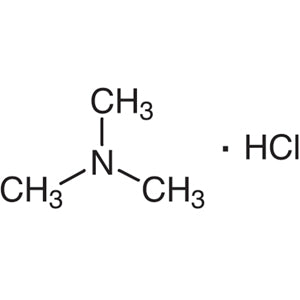
TrimethylamineHydrochloride TCI T0465
Regular price From Rp 557.550,00Regular price -
Trimethylamine(ca.28%inWater,ca.4.3mol/L) TCI T0464
Regular price Rp 505.050,00Regular price