1-(1-Adamantyl)ethylamine Hydrochloride is a chemical compound widely used in laboratory settings for the synthesis of complex molecules. As a building block in organic chemistry, it serves as a fundamental component in the creation of compounds with specific structural characteristics. This material is particularly valuable in synthetic chemistry due to its ability to participate in various reaction mechanisms. Its role in the laboratory extends beyond mere synthesis, as it is also used in the development of bioactive compounds and industrial chemicals.
The compound is known for its chemical stability and moderate reactivity, making it a preferred choice for a wide range of chemical reactions. Its molecular structure allows it to act as a substrate or reagent in substitution, reduction, and oxidation reactions. The stability of the compound ensures that it maintains its chemical integrity under various experimental conditions, which is essential for reliable and reproducible results. Additionally, its non-hydrolyzable nature makes it suitable for long-term storage and use in diverse laboratory environments.
In Indonesian laboratories, 1-(1-Adamantyl)ethylamine Hydrochloride is commonly utilized in both pure and applied chemical research. It is frequently found in academic institutions and research centers, where it supports the development of pharmaceuticals and industrial chemicals. Its versatility and reliability make it an essential tool for chemists working on complex synthesis projects, particularly in the fields of medicinal chemistry and organic synthesis.
TCI brochures (PDF)
- Antimicrobials and Antitumor Agents for Research and Experimental Use 2025-04-24 · p. 13
- Pharmaceutical Ingredients for Research and Experimental Use 2026-03-09 · p. 13
- Synthetic Organic Chemistry: This compound is ideal for the synthesis of complex organic molecules due to its structural versatility and reactivity.
- Medicinal Chemistry: It is used in the development of bioactive compounds, including pharmaceuticals and drug precursors, due to its chemical stability.
- Industrial Chemical Synthesis: The compound supports the production of various industrial chemicals, offering a reliable building block for large-scale applications.
- Heterocyclic Compound Synthesis: Its molecular structure allows it to participate in the formation of heterocyclic compounds, making it suitable for specialized research.
- Research and Development in Universities: It is widely used in academic laboratories for teaching and research purposes, supporting both theoretical and practical studies.
| Brand | TCI |
|---|---|
| CAS number | 1501-84-4 |
| Molecular formula | — |
| Purity | — |
| Category | Chemistry > Building Blocks > Non-Heterocyclic Building Blocks |
| Pack sizes | Available in various quantities as per standard laboratory supply |
| Physical form | Solid powder (as per standard product description) |
| Storage | Store in a cool, dry place away from moisture and direct sunlight |
This compound should be stored in a cool, dry environment to maintain its chemical stability and prevent degradation. It is recommended to use airtight containers to protect it from moisture and air exposure. Due to its chemical nature, it should be kept away from incompatible substances such as strong oxidizing agents. In laboratory settings, proper personal protective equipment (PPE) should be worn when handling the compound to ensure safety. Regular monitoring of storage conditions is advised to ensure the compound remains in optimal condition for use. The compound is not prone to rapid decomposition, making it suitable for long-term storage under appropriate conditions.
—
Product Categories
- Biochemicals and ReagentsAntibioticsAntibiotics (by Application)
- Biochemicals and ReagentsPharmaceutical Research Reagents (for Experimental Use)Antiviral Research Reagents (for Experimental Use)
- Biochemicals and ReagentsPharmaceutical Research Reagents (for Experimental Use)Neurotransmitter Agent Ingredients (for Research and Experimental Use)
- Biochemicals and Reagents
- MicrobiologyAntibioticsAntibiotics (by Application)
- Pharmaceutical Development and Drug Discovery ResearchPharmaceutical Research Reagents (for Experimental Use)Antiviral Research Reagents (for Experimental Use)
- Pharmaceutical Development and Drug Discovery ResearchPharmaceutical Research Reagents (for Experimental Use)Neurotransmitter Agent Ingredients (for Research and Experimental Use)
- Pharmaceutical Development and Drug Discovery ResearchAntibioticsAntibiotics (by Application)
Produk Terkait
-
1-Adamantanamine TCI A2318
Regular price From Rp 1.723.050,00Regular priceRp 1.220.100,00Sale price From Rp 1.723.050,00 -
1-AdamantanamineHydrochloride TCI A0588
Regular price From Rp 2.121.000,00Regular priceRp 1.498.350,00Sale price From Rp 2.121.000,00 -
ZanamivirHydrate TCI Z0023
Regular price Rp 3.472.350,00Regular priceRp 2.443.350,00Sale price Rp 3.472.350,00 -
Trifluorothymidine TCI T2511
Regular price From Rp 3.232.950,00Regular priceRp 2.276.400,00Sale price From Rp 3.232.950,00 -
AbacavirSulfate TCI A3532
Regular price Rp 2.702.700,00Regular priceRp 1.905.750,00Sale price Rp 2.702.700,00 -
Abacavir TCI A2694
Regular price Rp 2.782.500,00Regular priceRp 1.961.400,00Sale price Rp 2.782.500,00 -
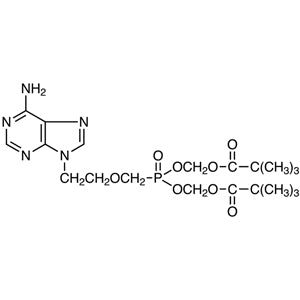
AdefovirDipivoxil TCI A2414
Regular price From Rp 1.033.200,00Regular priceRp 738.150,00Sale price From Rp 1.033.200,00 -
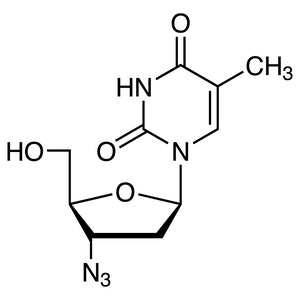
3'-Azido-3'-deoxythymidine TCI A2052
Regular price From Rp 2.464.350,00Regular priceRp 1.738.800,00Sale price From Rp 2.464.350,00