Abacavir is a chemical compound widely used in life science research, particularly in biochemical and reagent applications. As an antiretroviral agent, it plays a crucial role in the treatment of HIV infections by inhibiting the replication of the virus. In laboratory settings, it serves as a key reagent for the development of pharmaceutical products and the study of molecular interactions. Its significance extends to pharmacological research, where it is used to understand the mechanisms of drug action and the effects of antiviral compounds on cellular processes.
The compound is valued for its high purity and consistent quality, making it a reliable choice for scientific experiments. Its chemical stability under controlled conditions ensures accurate and reproducible results. However, it is sensitive to UV light and oxidation, which requires careful handling and storage. The complex molecular structure of Abacavir allows for diverse chemical reactions, making it suitable for advanced molecular manipulation and analytical studies. These properties make it an essential tool for researchers aiming for precision and reliability in their work.
In Indonesian laboratories, Abacavir is commonly used in public health-related research, especially in pharmaceutical and biomedical fields. It is integral to studies focused on the development of new antiviral therapies and the evaluation of drug efficacy. Its application supports both academic and industrial research, contributing to advancements in medical science and treatment strategies for HIV-related conditions.
TCI brochures (PDF)
- Immunology Research Reagents 2026-06-03 · p. 9
- Nucleosides, Nucleotides, Nucleic Acids and Related Reagents 2026-03-23 · p. 12
- Antimicrobials and Antitumor Agents for Research and Experimental Use 2025-04-24 · p. 12
- Pharmaceutical Ingredients for Research and Experimental Use 2026-03-09 · p. 12
- Reagents for Biological Research 2025-03-11 · p. 44
- HIV treatment research utilizes Abacavir to study antiretroviral mechanisms and drug resistance patterns.
- Pharmaceutical development relies on Abacavir for the synthesis of new antiviral compounds and drug formulation testing.
- Molecular biology experiments use Abacavir to investigate drug-target interactions and cellular response mechanisms.
- Clinical trial preparation includes Abacavir as a reference compound for evaluating drug efficacy and safety profiles.
- Biochemical assays incorporate Abacavir to assess enzyme activity and metabolic pathways in viral replication processes.
| Brand | TCI |
|---|---|
| CAS number | 136470-78-5 |
| Molecular formula | — |
| Purity | — |
| Category | Life Science > Biochemicals and Reagents > Antibiotics |
| Pack sizes | Available in various quantities as per standard laboratory requirements |
| Physical form | Solid powder |
| Storage | Store in a cool, dark place away from UV light and oxidizing agents |
Abacavir should be stored in a cool, dry environment, away from direct sunlight and sources of heat. It is recommended to keep it in airtight containers to prevent exposure to moisture and air, which can lead to degradation. Due to its sensitivity to UV light and oxidation, it is essential to handle the compound with care and use appropriate protective equipment when working with it. In laboratory settings, it should be stored in a designated chemical storage area that complies with safety regulations. Proper labeling and segregation from incompatible substances are also necessary to ensure safe handling and long-term stability.
—
Product Categories
- Biochemicals and ReagentsAntibioticsAntibiotics (by Application)
- Biochemicals and ReagentsEnzymes, Enzyme Inhibitors, Enzyme SubstratesEnzyme Inhibitors [Biochemicals and Reagents]
- Biochemicals and ReagentsPharmaceutical Research Reagents (for Experimental Use)Antiviral Research Reagents (for Experimental Use)
- Biochemicals and Reagents
- MicrobiologyAntibioticsAntibiotics (by Application)
- Pharmaceutical Development and Drug Discovery ResearchPharmaceutical Research Reagents (for Experimental Use)Antiviral Research Reagents (for Experimental Use)
- Pharmaceutical Development and Drug Discovery ResearchAntibioticsAntibiotics (by Application)
Produk Terkait
-
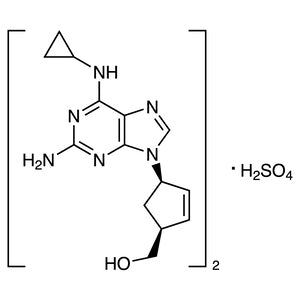
AbacavirSulfate TCI A3532
Regular price Rp 2.702.700,00Regular priceRp 1.905.750,00Sale price Rp 2.702.700,00 -
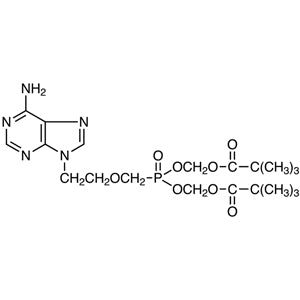
AdefovirDipivoxil TCI A2414
Regular price From Rp 1.033.200,00Regular priceRp 738.150,00Sale price From Rp 1.033.200,00 -
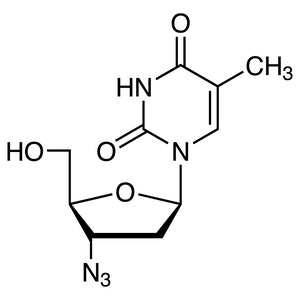
3'-Azido-3'-deoxythymidine TCI A2052
Regular price From Rp 2.464.350,00Regular priceRp 1.738.800,00Sale price From Rp 2.464.350,00 -
Ritonavir TCI R0116
Regular price From Rp 2.121.000,00Regular priceRp 1.498.350,00Sale price From Rp 2.121.000,00 -
Nevirapine TCI N0922
Regular price From Rp 2.942.100,00Regular priceRp 2.072.700,00Sale price From Rp 2.942.100,00 -
Lamivudine TCI L0217
Regular price From Rp 1.087.800,00Regular priceRp 775.950,00Sale price From Rp 1.087.800,00 -
Emtricitabine TCI E1007
Regular price From Rp 742.350,00Regular priceRp 534.450,00Sale price From Rp 742.350,00 -
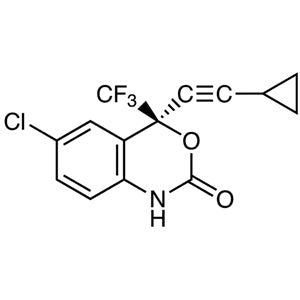
Efavirenz TCI E0997
Regular price Rp 2.359.350,00Regular priceRp 1.665.300,00Sale price Rp 2.359.350,00