Nevirapine, with CAS number 129618-40-2, is a key antiretroviral compound used in pharmaceutical and virological research. It is a non-nucleoside reverse transcriptase inhibitor (NNRTI) that plays a crucial role in the study of HIV replication mechanisms. This compound is widely utilized in laboratories to evaluate the effectiveness of antiretroviral drugs and to understand the molecular interactions that inhibit viral replication. Its relevance extends to both basic research and applied studies aimed at developing new therapeutic strategies against HIV.
Nevirapine is valued for its chemical stability and high specificity, making it a reliable reagent in laboratory settings. Its ability to interact selectively with the reverse transcriptase enzyme ensures consistent results in experimental studies. Additionally, its non-toxic nature and environmental safety contribute to its popularity among researchers. These properties allow it to be used in a variety of analytical and biochemical experiments without compromising the integrity of the results.
In Indonesian laboratories, Nevirapine is commonly used in HIV treatment research and drug development projects. It is also integral to training programs for young researchers and in the validation of analytical methods. Its widespread use in public health research underscores its importance in advancing scientific understanding and improving healthcare outcomes in the region.
TCI brochures (PDF)
- Antimicrobials and Antitumor Agents for Research and Experimental Use 2025-04-24 · p. 13
- Pharmaceutical Ingredients for Research and Experimental Use 2026-03-09 · p. 13
- HIV replication studies benefit from Nevirapine’s ability to inhibit reverse transcriptase, aiding in understanding viral mechanisms and drug efficacy.
- Antiretroviral drug screening utilizes Nevirapine to test the effectiveness of new compounds against HIV strains.
- Biochemical assays rely on Nevirapine’s stability and specificity for accurate enzyme activity measurements.
- Educational programs in Indonesian labs use Nevirapine to teach students about antiretroviral mechanisms and drug development.
- Quality control processes in pharmaceutical research incorporate Nevirapine to ensure consistency in drug formulations and testing protocols.
| Brand | TCI |
|---|---|
| CAS number | 129618-40-2 |
| Molecular formula | — |
| Purity | — |
| Category | Life Science > Biochemicals and Reagents > Antibiotics |
| Pack sizes | Available in standard laboratory quantities as per supplier specifications |
| Physical form | Solid powder |
| Storage | Store in a cool, dry place away from direct sunlight |
Nevirapine should be stored in a cool, dry environment to maintain its chemical stability and prevent degradation. It is recommended to keep it in airtight containers to minimize exposure to moisture and contaminants. Due to its chemical nature, it should be handled with appropriate personal protective equipment, such as gloves and safety goggles, to ensure laboratory safety. Avoid direct contact with skin or inhalation of dust during handling. Storage conditions should be consistent to preserve the compound’s integrity and effectiveness for research purposes. Regular monitoring of storage conditions is advised to ensure long-term usability and reliability in experimental settings.
—
Product Categories
- Biochemicals and ReagentsAntibioticsAntibiotics (by Application)
- Biochemicals and ReagentsEnzymes, Enzyme Inhibitors, Enzyme SubstratesEnzyme Inhibitors [Biochemicals and Reagents]
- Biochemicals and ReagentsPharmaceutical Research Reagents (for Experimental Use)Antiviral Research Reagents (for Experimental Use)
- Biochemicals and Reagents
- Cell BiologyCancer ResearchChemopreventive Agents [Cancer Research]
- MicrobiologyAntibioticsAntibiotics (by Application)
- Pharmaceutical Development and Drug Discovery ResearchPharmaceutical Research Reagents (for Experimental Use)Antiviral Research Reagents (for Experimental Use)
- Pharmaceutical Development and Drug Discovery ResearchAntibioticsAntibiotics (by Application)
Produk Terkait
-
Ritonavir TCI R0116
Regular price From Rp 2.068.500,00Regular price -
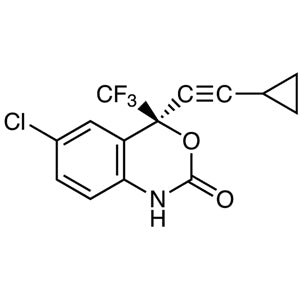
Efavirenz TCI E0997
Regular price Rp 2.306.850,00Regular price -
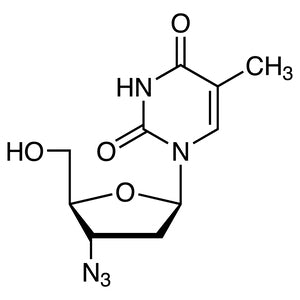
3'-Azido-3'-deoxythymidine TCI A2052
Regular price From Rp 2.411.850,00Regular price -
2',3'-Didehydro-3'-deoxythymidine TCI D3580
Regular price From Rp 1.590.750,00Regular price -
Abacavir TCI A2694
Regular price Rp 2.730.000,00Regular price -
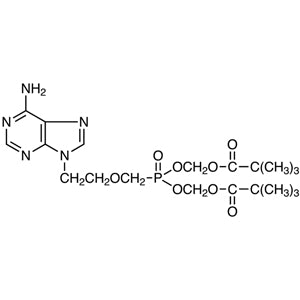
AdefovirDipivoxil TCI A2414
Regular price From Rp 980.700,00Regular price -
Lamivudine TCI L0217
Regular price From Rp 1.035.300,00Regular price -
Emtricitabine TCI E1007
Regular price From Rp 689.850,00Regular price