Ritonavir is a chemical compound classified under antibiotics, widely used in virology and pharmacology research. As a protease inhibitor, it plays a crucial role in blocking viral replication, particularly in HIV. This compound is essential for laboratory studies aimed at developing antiretroviral drugs and understanding viral mechanisms. Ritonavir is a versatile reagent that supports various biochemical and pharmacological experiments, making it an indispensable tool in modern research environments. Its importance extends beyond basic research, contributing to the development of therapeutic strategies against viral infections.
Ritonavir is known for its chemical stability under specific conditions and good solubility in organic solvents. These properties make it easy to dissolve and incorporate into a wide range of chemical reactions and synthesis processes. Additionally, its adequate thermal stability ensures that it remains effective during storage and use over extended periods. These characteristics make ritonavir a preferred choice for researchers requiring reliable and consistent performance in their experiments.
In Indonesian laboratories, ritonavir is commonly used in public health research, especially in studies related to infectious diseases and drug development. It is also an integral part of research programs at universities and research institutions focused on pharmacology and virology. Its application in laboratory settings is broad, supporting both fundamental and applied research in the life sciences.
TCI brochures (PDF)
- Antiviral Agents Targeting RNA-Dependent RNA Polymerase (RdRp) 2025-11-25 · p. 1
- Antimicrobials and Antitumor Agents for Research and Experimental Use 2025-04-24 · p. 13
- Amino Acids and Peptide Synthesis Reagents 2025-08-14 · p. 32
- Pharmaceutical Ingredients for Research and Experimental Use 2026-03-09 · p. 13
- Antiviral Research: Ritonavir is used to study the mechanisms of viral replication and the effectiveness of protease inhibitors in combating HIV.
- Drug Development: It supports the formulation and testing of antiretroviral drugs by providing a key compound for pharmacological studies.
- Pharmacological Testing: Ritonavir is employed to evaluate drug interactions and the pharmacokinetics of antiretroviral therapies.
- Infectious Disease Studies: It is utilized in research on the transmission and treatment of infectious diseases, particularly those caused by retroviruses.
- Academic Research: Universities and research institutions use ritonavir to advance knowledge in virology and develop new therapeutic approaches.
| Brand | TCI |
|---|---|
| CAS number | 155213-67-5 |
| Molecular formula | — |
| Purity | — |
| Category | Life Science > Biochemicals and Reagents > Antibiotics |
| Pack sizes | Available in various quantities as per standard laboratory requirements |
| Physical form | Solid |
| Storage | Store in a cool, dry place away from direct sunlight |
Ritonavir should be stored in a cool, dry environment to maintain its chemical stability and prevent degradation. It is recommended to keep the compound in airtight containers to minimize exposure to moisture and contaminants. Due to its organic solubility, it is important to handle ritonavir with care to avoid contact with incompatible substances. In laboratory settings, proper personal protective equipment should be worn when handling this compound to ensure safety. Regular monitoring of storage conditions is advised to ensure the integrity of the material over time.
—
Product Categories
- Biochemicals and ReagentsAntibioticsAntibiotics (by Application)
- Biochemicals and ReagentsEnzymes, Enzyme Inhibitors, Enzyme SubstratesEnzyme Inhibitors [Biochemicals and Reagents]
- Biochemicals and ReagentsPeptides [Biochemicals and Reagents]Oligopeptides
- Biochemicals and ReagentsPharmaceutical Research Reagents (for Experimental Use)Antiviral Research Reagents (for Experimental Use)
- Biochemicals and Reagents
- Cell BiologyCancer ResearchAntitumor Agents for Research
- Cell BiologyCancer ResearchChemopreventive Agents [Cancer Research]
- Cell BiologyCancer Research
- MicrobiologyAntibioticsAntibiotics (by Application)
- Pharmaceutical Development and Drug Discovery ResearchPharmaceutical Research Reagents (for Experimental Use)Antiviral Research Reagents (for Experimental Use)
- Pharmaceutical Development and Drug Discovery ResearchAntibioticsAntibiotics (by Application)
Produk Terkait
-
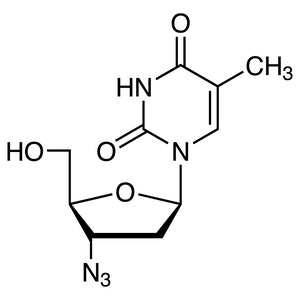
3'-Azido-3'-deoxythymidine TCI A2052
Regular price From Rp 2.464.350,00Regular priceRp 1.738.800,00Sale price From Rp 2.464.350,00 -
Nevirapine TCI N0922
Regular price From Rp 2.942.100,00Regular priceRp 2.072.700,00Sale price From Rp 2.942.100,00 -
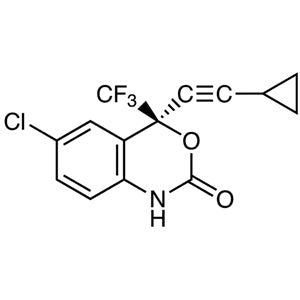
Efavirenz TCI E0997
Regular price Rp 2.359.350,00Regular priceRp 1.665.300,00Sale price Rp 2.359.350,00 -
2',3'-Didehydro-3'-deoxythymidine TCI D3580
Regular price From Rp 1.643.250,00Regular priceRp 1.164.450,00Sale price From Rp 1.643.250,00 -
CyclosporinA TCI C2408
Regular price From Rp 1.351.350,00Regular priceRp 960.750,00Sale price From Rp 1.351.350,00 -
Abacavir TCI A2694
Regular price Rp 2.782.500,00Regular priceRp 1.961.400,00Sale price Rp 2.782.500,00 -
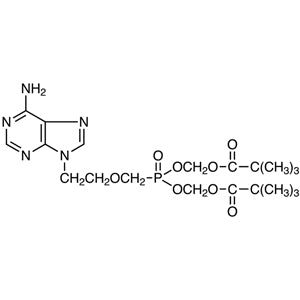
AdefovirDipivoxil TCI A2414
Regular price From Rp 1.033.200,00Regular priceRp 738.150,00Sale price From Rp 1.033.200,00 -
Lamivudine TCI L0217
Regular price From Rp 1.087.800,00Regular priceRp 775.950,00Sale price From Rp 1.087.800,00