Trimethylamine Hydrochloride (TMAH) is a chemical compound widely used in laboratory settings for various chemical reactions. As a tertiary amine salt, it serves as a versatile reagent in organic synthesis and catalytic processes. Its role in laboratory applications is critical, particularly in reactions requiring basic conditions or as a catalyst. TMAH is a fundamental building block in the field of chemistry, offering stability and reactivity that make it indispensable for researchers. Its chemical properties allow it to be a reliable component in both academic and industrial research environments.
One of the key properties that make TMAH a preferred choice is its strong basicity in aqueous solutions. It dissolves readily in water and maintains stability under typical laboratory conditions, making it ideal for use in a wide range of experiments. Its high solubility and low volatility ensure consistent performance in chemical reactions, reducing the risk of unwanted side reactions. Additionally, TMAH is considered relatively safe for use in controlled laboratory environments, with minimal toxicity in small doses. These characteristics contribute to its widespread adoption in chemical research.
In Indonesian laboratories, Trimethylamine Hydrochloride is commonly used in both pure chemical research and industrial applications. It is a standard component in the chemical supply chain, supporting experiments in educational institutions and research facilities. Its availability and affordability make it a popular choice among scientists and students. The compound's reliability and adaptability ensure its continued use in various laboratory contexts across Indonesia.
Related TCI products
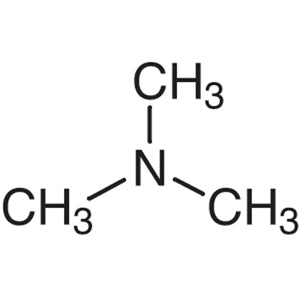
- TCI T3614 75-50-3 Trimethylamine (ca. 8% in Toluene, ca. 1mol/L)
- TCI T2893 75-50-3 Trimethylamine (ca. 25% in Isopropyl Alcohol, ca. 3mol/L)
- TCI T0464 75-50-3 Trimethylamine (ca. 28% in Water, ca. 4.3mol/L)
- TCI T1992 2217-40-5 1,2,3,4-Tetrahydro-1-naphthylamine
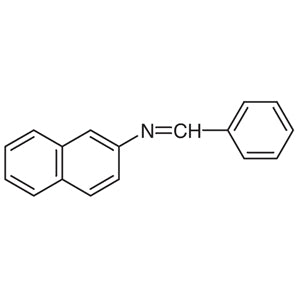
- TCI B0261 891-32-7 Benzylidene-2-naphthylamine
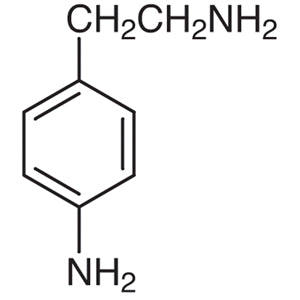
- TCI A1509 13472-00-9 2-(4-Aminophenyl)ethylamine
- Organic synthesis reactions benefit from TMAH's strong basicity, making it ideal for catalytic processes and functional group transformations.
- It is widely used in the preparation of quaternary ammonium salts, where its ability to act as a base is crucial for the reaction mechanism.
- TMAH is suitable for pH adjustment in aqueous solutions, providing a stable and effective base for various experimental setups.
- In analytical chemistry, it serves as a reagent for titration and as a component in buffer solutions due to its predictable behavior in solution.
- Its stability and solubility make it a preferred choice for use in electrochemical studies and as a support in chromatographic techniques.
| Brand | TCI |
|---|---|
| CAS number | 593-81-7 |
| Molecular formula | — |
| Purity | — |
| Category | Chemistry > Building Blocks > Non-Heterocyclic Building Blocks |
| Pack sizes | Available in various quantities as per standard laboratory supply formats |
| Physical form | Solid powder |
| Storage | Store in a cool, dry place away from moisture and direct sunlight |
Trimethylamine Hydrochloride should be stored in a cool, dry environment to maintain its chemical stability. It is recommended to keep the compound in airtight containers to prevent moisture absorption, which could affect its performance. Due to its basic nature, it should be handled with care to avoid direct contact with skin or eyes. In laboratory settings, it is advisable to use appropriate personal protective equipment, such as gloves and safety goggles, when handling the compound. Proper ventilation should be maintained in the workspace to ensure safe working conditions. The compound is generally considered safe for use in controlled environments, but standard laboratory safety protocols should always be followed.
—
Produk Terkait
-
Trimethylamine(ca.8%inToluene,ca.1mol/L) TCI T3614
Regular price Rp 1.087.800,00Regular priceRp 760.200,00Sale price Rp 1.087.800,00 -
Trimethylamine(ca.25%inIsopropylAlcohol,ca.3mol/L) TCI T2893
Regular price From Rp 717.150,00Regular priceRp 500.850,00Sale price From Rp 717.150,00 -
Trimethylamine(ca.28%inWater,ca.4.3mol/L) TCI T0464
Regular price Rp 505.050,00Regular priceRp 352.800,00Sale price Rp 505.050,00 -
1,2,3,4-Tetrahydro-1-naphthylamine TCI T1992
Regular price From Rp 1.565.550,00Regular priceRp 1.094.100,00Sale price From Rp 1.565.550,00 -
Benzylidene-2-naphthylamine TCI B0261
Regular price Rp 3.153.150,00Regular priceRp 2.220.750,00Sale price Rp 3.153.150,00 -
2-(4-Aminophenyl)ethylamine TCI A1509
Regular price From Rp 1.087.800,00Regular priceRp 760.200,00Sale price From Rp 1.087.800,00 -
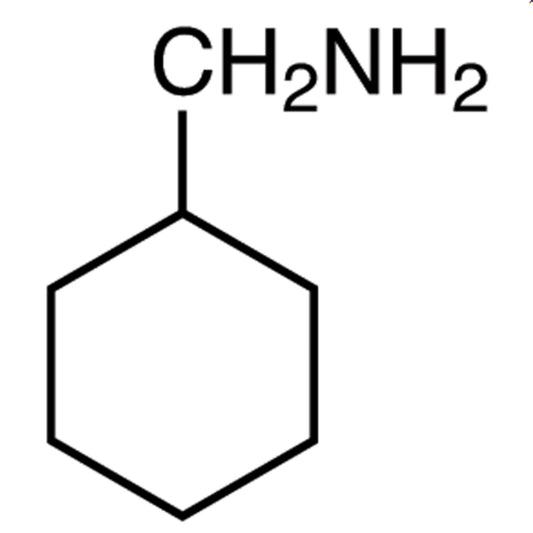
Cyclohexanemethylamine TCI A1114
Regular price From Rp 2.994.600,00Regular priceRp 2.109.450,00Sale price From Rp 2.994.600,00 -
5,6,7,8-Tetrahydro-1-naphthylamine TCI A0995
Regular price From Rp 2.571.450,00Regular priceRp 1.797.600,00Sale price From Rp 2.571.450,00