Benzylidene-2-naphthylamine (BCN), with the CAS number 891-32-7, is a chemical compound widely used in organic reactions as a building block. It serves as a versatile reagent in the synthesis of complex molecules, particularly in the formation of carbon-carbon double bonds through condensation reactions. In laboratory settings, BCN is a valuable tool for researchers aiming to create specific molecular structures required for chemical, pharmacological, or material science studies. Its role in enabling the development of new compounds makes it an essential component in modern chemical research.
The chemical properties of BCN, including its stability under certain conditions and reactivity towards specific reagents, make it a preferred choice for synthetic chemists. Its ability to participate in various types of reactions, such as Diels-Alder and aromatic reactions, enhances its utility in the design of new compounds. The structural complexity of BCN allows it to act as a key intermediate in the synthesis of pharmaceuticals, materials, and other advanced chemical products. These characteristics make BCN a reliable and effective reagent in both academic and industrial research environments.
In Indonesian laboratories, BCN is commonly used in both fundamental and applied chemical research. Researchers from educational institutions and research organizations utilize BCN to develop new compounds with applications in pharmaceuticals, materials science, and technology. Its availability and effectiveness make it a standard reagent in many chemical laboratories across Indonesia, supporting ongoing scientific innovation and discovery.
Related TCI products
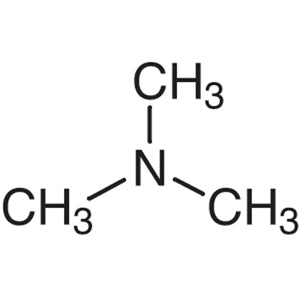
- TCI T3614 75-50-3 Trimethylamine (ca. 8% in Toluene, ca. 1mol/L)
- TCI T2893 75-50-3 Trimethylamine (ca. 25% in Isopropyl Alcohol, ca. 3mol/L)
- TCI T1992 2217-40-5 1,2,3,4-Tetrahydro-1-naphthylamine
- TCI A0995 2217-41-6 5,6,7,8-Tetrahydro-1-naphthylamine
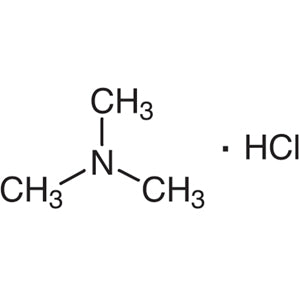
- TCI T0465 593-81-7 Trimethylamine Hydrochloride
- TCI T0464 75-50-3 Trimethylamine (ca. 28% in Water, ca. 4.3mol/L)
- Organic synthesis applications benefit from BCN's ability to form carbon-carbon double bonds through condensation reactions, enabling the creation of complex molecular structures.
- Pharmaceutical research utilizes BCN as a building block for the synthesis of novel compounds with potential therapeutic applications in drug development.
- Material science studies incorporate BCN in the development of advanced materials due to its reactivity and structural versatility in chemical reactions.
- Analytical chemistry laboratories use BCN as a reference standard for identifying and quantifying compounds in complex mixtures.
- Environmental research employs BCN in the study of chemical interactions and degradation processes in various environmental matrices.
| Brand | TCI |
|---|---|
| CAS number | 891-32-7 |
| Molecular formula | — |
| Purity | — |
| Category | Chemistry > Building Blocks > Non-Heterocyclic Building Blocks |
| Pack sizes | Available in various quantities as per supplier specifications |
| Physical form | Solid, crystalline appearance |
| Storage | Store in a cool, dry place away from light and incompatible materials |
BCN should be stored in a cool, dry environment, away from direct sunlight and sources of heat. It is recommended to keep the compound in a sealed container to prevent moisture absorption and contamination. Due to its reactivity, it should be stored separately from strong oxidizing agents and acids. Laboratory personnel should handle BCN with appropriate personal protective equipment, including gloves and safety goggles, to minimize exposure. Proper ventilation is also essential when working with this compound to ensure safe handling and reduce potential health risks. Regular inspection of storage conditions and container integrity is necessary to maintain the stability and purity of the compound.
—
Produk Terkait
-
Trimethylamine(ca.8%inToluene,ca.1mol/L) TCI T3614
Regular price Rp 1.087.800,00Regular priceRp 760.200,00Sale price Rp 1.087.800,00 -
Trimethylamine(ca.25%inIsopropylAlcohol,ca.3mol/L) TCI T2893
Regular price From Rp 717.150,00Regular priceRp 500.850,00Sale price From Rp 717.150,00 -
1,2,3,4-Tetrahydro-1-naphthylamine TCI T1992
Regular price From Rp 1.565.550,00Regular priceRp 1.094.100,00Sale price From Rp 1.565.550,00 -
5,6,7,8-Tetrahydro-1-naphthylamine TCI A0995
Regular price From Rp 2.571.450,00Regular priceRp 1.797.600,00Sale price From Rp 2.571.450,00 -
TrimethylamineHydrochloride TCI T0465
Regular price From Rp 557.550,00Regular priceRp 389.550,00Sale price From Rp 557.550,00 -
Trimethylamine(ca.28%inWater,ca.4.3mol/L) TCI T0464
Regular price Rp 505.050,00Regular priceRp 352.800,00Sale price Rp 505.050,00 -
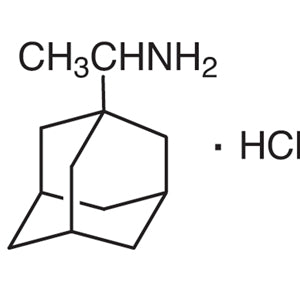
1-(1-Adamantyl)ethylamineHydrochloride TCI R0070
Regular price Rp 1.140.300,00Regular priceRp 812.700,00Sale price Rp 1.140.300,00 -
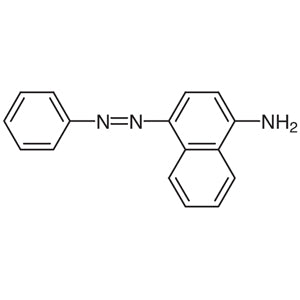
4-Phenylazo-1-naphthylamine TCI P0584
Regular price From Rp 2.359.350,00Regular priceRp 1.649.550,00Sale price From Rp 2.359.350,00