4-Phenylazo-1-naphthylamine is a chemical compound widely used in laboratory settings for the synthesis of complex molecules. It serves as a key building block in organic chemistry, particularly in reactions involving azo groups. Its aromatic structure and azo functional group make it a versatile reagent for creating compounds with specific optical and color properties. This compound is commonly used in analytical and synthetic applications where controlled chemical reactions are essential.
The compound is known for its chemical stability under certain conditions, though it is sensitive to light and high temperatures. These properties require careful handling and controlled storage to maintain its effectiveness. Its sensitivity makes it ideal for applications where precise reaction conditions are necessary. Additionally, its molecular structure allows for use in both qualitative and quantitative analysis, aiding in the identification of other compounds in a sample.
In Indonesian laboratories, 4-Phenylazo-1-naphthylamine is frequently utilized in organic chemistry research, especially in academic institutions and research centers. Its relevance extends to the development of new compounds with applications in pharmaceuticals, materials science, and environmental studies. Its role in color development and optical properties also makes it valuable in various analytical techniques used in the field.
Related TCI products
- TCI P0149 1689-82-3 4-(Phenylazo)phenol
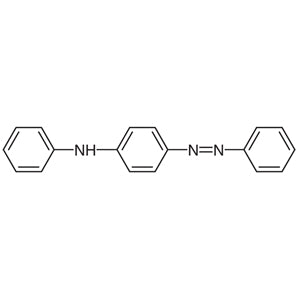
- TCI P0146 101-75-7 4-(Phenylazo)diphenylamine
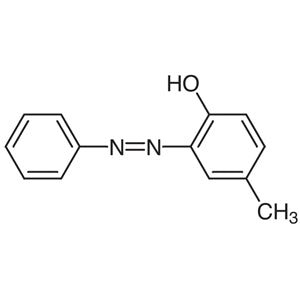
- TCI P0145 952-47-6 2-Phenylazo-4-methylphenol
- TCI P0143 1562-93-2 4-(Phenylazo)benzoic Acid
- TCI T3614 75-50-3 Trimethylamine (ca. 8% in Toluene, ca. 1mol/L)
- TCI T2893 75-50-3 Trimethylamine (ca. 25% in Isopropyl Alcohol, ca. 3mol/L)
- Azo Synthesis for Pigment Development: This compound is ideal for creating azo dyes and pigments due to its ability to form stable azo bonds, which are essential for color development in various industrial and research applications.
- Organic Chemistry Research: Its aromatic structure and reactivity make it a preferred choice for synthetic pathways in organic chemistry, enabling the construction of complex molecules with specific functional groups.
- Quantitative and Qualitative Analysis: The compound's distinct chemical properties allow it to be used as a standard in analytical techniques for identifying and quantifying other substances in a sample.
- Colorimetric Reactions: Its ability to produce color changes under specific conditions makes it useful in colorimetric assays for detecting and analyzing various chemical species.
- Environmental and Pharmaceutical Compound Development: Its structural versatility supports the synthesis of new compounds with potential applications in environmental science and pharmaceutical research.
| Brand | TCI |
|---|---|
| CAS number | 131-22-6 |
| Molecular formula | — |
| Purity | — |
| Category | Chemistry > Building Blocks > Non-Heterocyclic Building Blocks |
| Pack sizes | Available in various quantities as per supplier specifications |
| Physical form | Solid |
| Storage | Store in a cool, dark place away from light and heat |
This compound should be stored in a cool, dark environment to prevent degradation due to light and heat sensitivity. It is recommended to use amber-colored glass containers to minimize exposure to light. Proper ventilation is essential during handling to avoid inhalation of vapors. The compound should be kept in a secure location away from incompatible materials such as strong oxidizers. Always wear appropriate personal protective equipment, including gloves and safety goggles, when handling this material. Regular inspection of storage conditions is advised to ensure the integrity of the compound remains unaffected.
—
Produk Terkait
-
4-(Phenylazo)phenol TCI P0149
Regular price Rp 1.538.250,00Regular price -
4-(Phenylazo)diphenylamine TCI P0146
Regular price From Rp 1.140.300,00Regular price -
2-Phenylazo-4-methylphenol TCI P0145
Regular price Rp 13.249.950,00Regular price -
4-(Phenylazo)benzoicAcid TCI P0143
Regular price From Rp 1.115.100,00Regular price -
Trimethylamine(ca.8%inToluene,ca.1mol/L) TCI T3614
Regular price Rp 1.087.800,00Regular price -
Trimethylamine(ca.25%inIsopropylAlcohol,ca.3mol/L) TCI T2893
Regular price From Rp 717.150,00Regular price -
1,2,3,4-Tetrahydro-1-naphthylamine TCI T1992
Regular price From Rp 1.565.550,00Regular price -
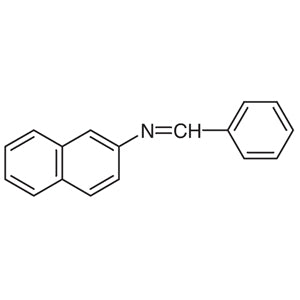
Benzylidene-2-naphthylamine TCI B0261
Regular price Rp 3.100.650,00Regular price