4-(Phenylazo)phenol is a chemical compound widely used in laboratory settings for the synthesis of complex molecules. It serves as a building block in organic chemistry, particularly in the creation of aromatic compounds and their derivatives. This compound is commonly found in chemical laboratories as a foundational material for various synthetic processes. Due to its unique molecular structure, it plays a key role in multiple chemical reactions, including azoification, substitution, and redox reactions. Its presence in research and development activities makes it an essential component in the chemical industry.
The compound is chemically stable under certain conditions but remains sensitive to light and oxidation. Its high reactivity makes it a preferred choice for reactions requiring a readily reactive substrate. This reactivity, combined with its structural versatility, allows it to be used in a wide range of chemical transformations. Its chemical properties make it suitable for both synthesis and analytical applications, contributing to its popularity among chemists working in various fields.
In Indonesian laboratories, 4-(Phenylazo)phenol is extensively used in organic chemistry research, particularly in the synthesis of azo compounds and other complex molecules. It is also employed in chemical analysis for the identification of specific compounds in samples. Its versatility and reactivity make it a valuable tool in both academic and industrial research settings, supporting a wide array of chemical investigations.
- Azo Compound Synthesis: This compound is ideal for creating azo compounds, which are used in dyes and pigments due to their vibrant colors and stability.
- Organic Chemistry Research: It serves as a key building block in the development of complex organic molecules, supporting various synthetic pathways.
- Chemical Analysis: Its reactivity and structural properties make it useful for identifying specific compounds in analytical chemistry applications.
- Textile Industry Applications: It is used in the production of dyes and colorants for textiles, where its azo structure provides desirable color characteristics.
- Industrial Dye Production: Its chemical stability and reactivity make it suitable for the synthesis of industrial dyes used in various manufacturing processes.
| Brand | TCI |
|---|---|
| CAS number | 1689-82-3 |
| Molecular formula | — |
| Purity | — |
| Category | Chemistry > Building Blocks > Non-Heterocyclic Building Blocks |
| Pack sizes | Available in various quantities as per supplier specifications |
| Physical form | Solid (as per standard chemical properties) |
| Storage | Store in a cool, dark place away from light and oxidizing agents |
This compound should be stored in a cool, dark environment to prevent degradation due to light exposure. It is recommended to use airtight containers to minimize exposure to air and moisture. Due to its sensitivity to oxidation, it should be kept away from strong oxidizing agents. In laboratory settings, it is important to handle it with care, using appropriate personal protective equipment such as gloves and safety goggles. Proper labeling and storage conditions are essential to ensure safety and maintain the compound's chemical integrity. Always follow standard laboratory safety protocols when working with reactive chemicals.
—
Product Categories
Produk Terkait
-
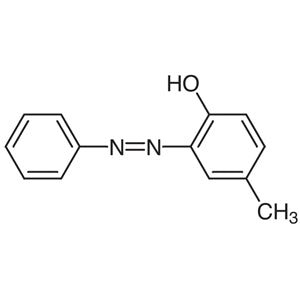
2-Phenylazo-4-methylphenol TCI P0145
Regular price Rp 13.249.950,00Regular price -
4-(4-Bromophenylazo)phenol TCI B4053
Regular price From Rp 3.392.550,00Regular price -
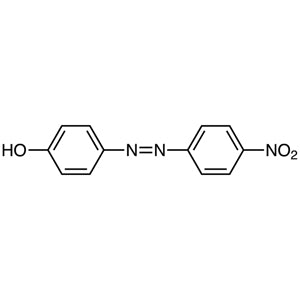
4-(4-Nitrophenylazo)phenol TCI N0653
Regular price From Rp 6.308.400,00Regular price -
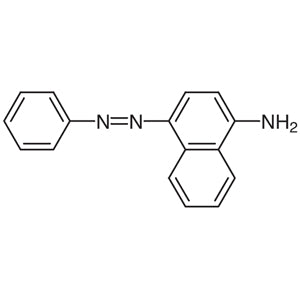
4-Phenylazo-1-naphthylamine TCI P0584
Regular price From Rp 2.359.350,00Regular price -
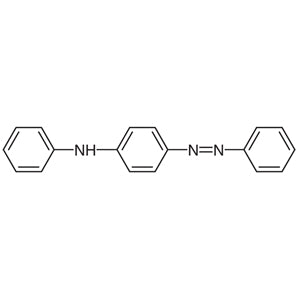
4-(Phenylazo)diphenylamine TCI P0146
Regular price From Rp 1.140.300,00Regular price -
4-(Phenylazo)benzoicAcid TCI P0143
Regular price From Rp 1.115.100,00Regular price -
4-(1,2,2-Triphenylvinyl)phenol TCI T3895
Regular price Rp 6.333.600,00Regular price -
2,4-Bis(alpha,alpha-dimethylbenzyl)phenol TCI B2772
Regular price From Rp 530.250,00Regular price