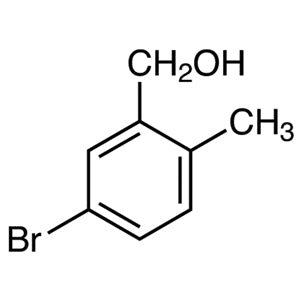
2,4-Bis(alpha,alpha-dimethylbenzyl)phenol is a chemical compound widely used in laboratory settings for the synthesis of complex molecules. As a building block in organic chemistry, it plays a crucial role in the development of new compounds with specific functional properties. This compound is particularly valuable for its ability to participate in various chemical reactions, making it a versatile tool for researchers. Its presence in the chemical supply chain ensures that it is accessible to scientists working on diverse projects.
The compound’s molecular structure, featuring both phenolic and alkyl groups, contributes to its reactivity and stability. These characteristics make it a preferred choice for substitution and covalent reactions, where controlled reactivity is essential. Its non-heterocyclic nature allows it to be used in a wide range of chemical processes without introducing unwanted side reactions. This makes it particularly useful in environments where precise chemical control is required.
In Indonesian laboratories, 2,4-Bis(alpha,alpha-dimethylbenzyl)phenol is commonly used in organic chemistry research, compound synthesis, and quality testing of chemical materials. Its availability in the local market supports academic and industrial research efforts. It is frequently employed in projects aimed at developing new pharmaceuticals, materials, and chemical products. Its role in both educational and applied research makes it a key component in the chemical toolkit of Indonesian scientists.
Related TCI products
- Organic synthesis projects benefit from this compound’s ability to form stable phenolic structures, enabling the creation of complex molecules with specific functional groups.
- Pharmaceutical research utilizes its reactivity in the development of new drug compounds, particularly those requiring controlled chemical modifications.
- Material science applications leverage its molecular structure for the synthesis of polymers and other advanced materials with tailored properties.
- Chemical quality testing relies on its stability and reactivity to assess the purity and performance of other chemical substances.
- Educational laboratories use it as a teaching tool to demonstrate fundamental chemical reactions and synthesis techniques.
| Brand | TCI |
|---|---|
| CAS number | 2772-45-4 |
| Molecular formula | — |
| Purity | — |
| Category | Chemistry > Building Blocks > Non-Heterocyclic Building Blocks |
| Pack sizes | Available in various quantities as per supplier specifications |
| Physical form | Solid, typically in crystalline or powder form |
| Storage | Store in a cool, dry place away from direct sunlight and moisture |
This compound should be stored in a cool, dry environment to maintain its chemical integrity and prevent degradation. It is recommended to keep it in a sealed container to minimize exposure to air and moisture, which can affect its stability. Due to its chemical nature, it should be handled in a well-ventilated area, and appropriate personal protective equipment should be worn. Avoid contact with skin and eyes, and ensure that it is stored away from incompatible materials. Regular monitoring of storage conditions is advised to ensure long-term usability and safety in laboratory settings.
—
Produk Terkait
-
2,4-DimethylbenzylAlcohol TCI D4519
Regular price Rp 3.312.750,00Regular priceRp 2.316.300,00Sale price Rp 3.312.750,00 -
2,3-DimethylbenzylAlcohol TCI D4496
Regular price Rp 2.889.600,00Regular priceRp 2.020.200,00Sale price Rp 2.889.600,00 -
2,4,6-TrimethylbenzylAlcohol TCI T1905
Regular price Rp 2.041.200,00Regular priceRp 1.426.950,00Sale price Rp 2.041.200,00 -
4-Bromo-3-methylbenzylAlcohol TCI B5285
Regular price From Rp 2.359.350,00Regular priceRp 1.649.550,00Sale price From Rp 2.359.350,00 -
4-Bromo-2-methylbenzylAlcohol TCI B5231
Regular price From Rp 1.298.850,00Regular priceRp 908.250,00Sale price From Rp 1.298.850,00 -
5-Bromo-2-methylbenzylAlcohol TCI B5037
Regular price From Rp 4.240.950,00Regular priceRp 2.965.200,00Sale price From Rp 4.240.950,00 -
4-Bromo-alpha-methylbenzylAlcohol TCI B1955
Regular price From Rp 875.700,00Regular priceRp 612.150,00Sale price From Rp 875.700,00 -
alpha,alpha'-Bis(4-methylbenzyloxy)-p-xylene TCI B1482
Regular price From Rp 2.254.350,00Regular priceRp 1.576.050,00Sale price From Rp 2.254.350,00