4-(Phenylazo)diphenylamine (CAS 101-75-7) is a chemical compound widely used in laboratory settings as a building block for the synthesis of complex molecular structures. This compound plays a crucial role in organic chemistry, particularly in the development of aromatic compounds with specific functional properties. Its versatility makes it an essential reagent in various chemical reactions, enabling the creation of compounds with desired characteristics such as color, stability, and reactivity. Due to its structural and chemical properties, it is frequently employed in both academic and industrial research environments.
The compound's azo group contributes to its chemical stability and solubility in organic solvents, making it ideal for synthetic processes. Its ability to participate in substitution and aromatic reactions enhances its utility in laboratory applications. The compound's solubility and stability ensure consistent performance during synthesis and processing, reducing the risk of degradation. These properties make it a reliable and preferred choice for chemists working on a wide range of projects.
In Indonesian laboratories, 4-(Phenylazo)diphenylamine is commonly used in organic chemistry research, particularly in pharmaceutical, material science, and analytical chemistry fields. Its availability and performance make it a sought-after material for researchers and practitioners aiming to develop new compounds or analyze existing ones. The compound's role in creating structurally complex molecules supports its importance in both academic and applied research settings.
- Organic synthesis applications benefit from this compound's role in creating aromatic structures with specific functional groups, enabling the development of new pharmaceutical compounds and materials.
- It is widely used in dye and pigment production due to its ability to form stable azo compounds, which are essential for color development in various chemical processes.
- In analytical chemistry, it serves as a reagent for the detection and quantification of certain compounds through spectroscopic and chromatographic methods.
- Its use in material science research supports the creation of advanced polymers and coatings with tailored chemical properties.
- The compound is also employed in the development of organic dyes and colorants, where its structural characteristics contribute to the desired optical properties of the final product.
| Brand | TCI |
|---|---|
| CAS number | 101-75-7 |
| Molecular formula | — |
| Purity | — |
| Category | Chemistry > Building Blocks > Non-Heterocyclic Building Blocks |
| Pack sizes | Available in various quantities as per standard laboratory supply specifications |
| Physical form | Solid, typically in crystalline or powder form |
| Storage | Store in a cool, dry place away from direct sunlight and moisture |
This compound should be stored in a cool, dry environment, away from direct sunlight and moisture to maintain its chemical stability. It is recommended to use airtight containers made of glass or polyethylene to prevent contamination and degradation. Due to its organic nature, it should be kept in a well-ventilated area to avoid inhalation of vapors. Proper labeling of containers is essential for safe handling and identification. Laboratory personnel should wear appropriate personal protective equipment, such as gloves and safety goggles, when handling this material. Regular inspection of storage conditions ensures the compound remains in optimal condition for use in research applications.
—
Produk Terkait
-
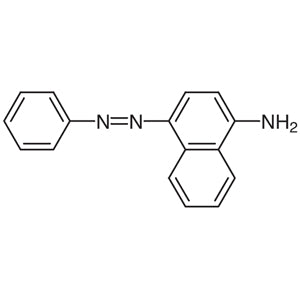
4-Phenylazo-1-naphthylamine TCI P0584
Regular price From Rp 2.359.350,00Regular price -
4-(Phenylazo)phenol TCI P0149
Regular price Rp 1.538.250,00Regular price -
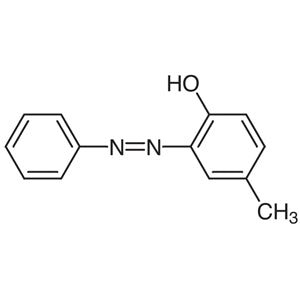
2-Phenylazo-4-methylphenol TCI P0145
Regular price Rp 13.249.950,00Regular price -
4-(Phenylazo)benzoicAcid TCI P0143
Regular price From Rp 1.115.100,00Regular price -
4-(2-Octylamino)diphenylamine TCI O0166
Regular price From Rp 477.750,00Regular price -
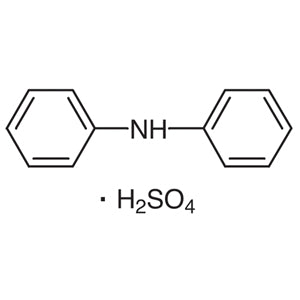
DiphenylamineSulfate TCI D0875
Regular price From Rp 1.590.750,00Regular price -
DiphenylamineHydrochloride TCI D0874
Regular price Rp 1.273.650,00Regular price -
4-Bromodiphenylamine TCI B3949
Regular price From Rp 1.378.650,00Regular price