4-Bromodiphenylamine (4-BDPA) is a chemical compound widely used in the synthesis of complex organic molecules. As a building block in chemical reactions, it plays a crucial role in substitution and catalytic reactions, enabling the creation of compounds with more intricate structures and properties. In laboratory settings, 4-BDPA serves as an essential reagent for the development of new substances, including pharmaceuticals, industrial chemicals, and advanced materials. Its aromatic structure, with a bromo substituent at the 4-position, contributes to its unique solubility and reactivity, making it a versatile tool for chemists.
The chemical and physical stability of 4-BDPA makes it a reliable choice for various synthetic processes. Its predictable behavior under different reaction conditions ensures consistent results, which is vital for research and development. The compound’s ability to participate in multiple reaction pathways enhances its utility across different chemical applications. Additionally, its availability in solid form simplifies handling and storage, making it practical for routine laboratory use.
In Indonesian laboratories, 4-BDPA is commonly used in both pure and applied chemical research. Educational and research institutions integrate this compound into their studies to develop new substances with broad applications. Its availability and reliability support ongoing scientific investigations in diverse fields of chemistry, ensuring continuity in research efforts.
TCI brochures (PDF)
- Building Blocks for Organic Semiconductor 2026-03-24 · p. 29
Related TCI products
- Organic synthesis for the development of pharmaceutical compounds due to its reactivity and structural versatility.
- Catalytic reactions where 4-BDPA acts as a functional group donor for complex molecule formation.
- Material science research for creating advanced polymers and functional materials through controlled chemical modifications.
- Analytical chemistry applications in the characterization of organic compounds through spectroscopic and chromatographic methods.
- Industrial chemical production for the synthesis of intermediates used in manufacturing processes.
| Brand | TCI |
|---|---|
| CAS number | 54446-36-5 |
| Molecular formula | — |
| Purity | — |
| Category | Chemistry > Building Blocks > Non-Heterocyclic Building Blocks |
| Pack sizes | Available in standard laboratory quantities |
| Physical form | Solid |
| Storage | Store in a cool, dry place away from light and moisture |
4-Bromodiphenylamine should be stored in a cool, dry environment, away from direct sunlight and moisture. It is recommended to keep the compound in a sealed container to prevent exposure to air and humidity. Proper ventilation should be maintained in the laboratory when handling this material to minimize inhalation risks. As a chemical reagent, it should be stored separately from incompatible substances to ensure safety. Laboratory personnel should wear appropriate personal protective equipment, including gloves and safety goggles, when handling or working with 4-BDPA. Regular inspection of storage conditions is essential to maintain the integrity and stability of the compound.
—
Produk Terkait
-
2-Bromodiphenylamine TCI B5744
Regular price From Rp 2.625.000,00Regular priceRp 1.835.400,00Sale price From Rp 2.625.000,00 -
N,N-Bis(4'-diphenylamino-4-biphenylyl)amine TCI B5676
Regular price From Rp 1.643.250,00Regular priceRp 1.164.450,00Sale price From Rp 1.643.250,00 -
N-Phenyl-4-biphenylamine TCI P1498
Regular price Rp 2.227.050,00Regular priceRp 1.572.900,00Sale price Rp 2.227.050,00 -
N-Phenyl-3-biphenylamine TCI P1497
Regular price Rp 4.559.100,00Regular priceRp 3.203.550,00Sale price Rp 4.559.100,00 -
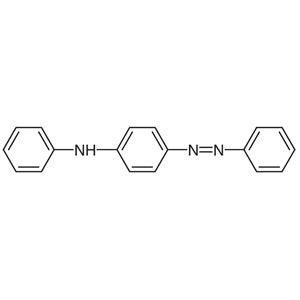
4-(Phenylazo)diphenylamine TCI P0146
Regular price From Rp 1.140.300,00Regular priceRp 796.950,00Sale price From Rp 1.140.300,00 -
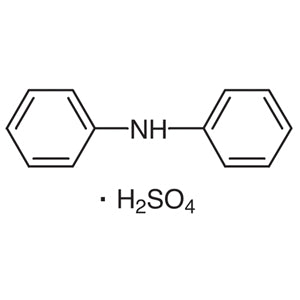
DiphenylamineSulfate TCI D0875
Regular price From Rp 1.590.750,00Regular priceRp 1.111.950,00Sale price From Rp 1.590.750,00 -
DiphenylamineHydrochloride TCI D0874
Regular price Rp 1.273.650,00Regular priceRp 890.400,00Sale price Rp 1.273.650,00