3-Methyldiphenylamine (CAS No. 1205-64-7) is a chemical compound widely used in organic synthesis reactions, particularly in the formation of complex aromatic compounds. As a key building block in chemical research, it serves as an essential reagent for creating a variety of functionalized aromatic structures. Its versatility makes it a valuable tool for chemists working in both academic and industrial settings. In the laboratory, 3-Methyldiphenylamine is frequently employed in substitution and coupling reactions, enabling the synthesis of more intricate molecular frameworks. This compound is especially useful for researchers aiming to develop new materials, pharmaceuticals, or advanced chemical products.
The compound's chemical stability and moderate reactivity make it a preferred choice for a wide range of synthetic applications. It exhibits aromatic characteristics, allowing for targeted substitution reactions at specific positions within its molecular structure. These properties contribute to its popularity in the synthesis of both heterocyclic and non-heterocyclic compounds. Its high purity and well-defined structure ensure consistent results, making it ideal for use in precision-driven laboratory environments. The compound's reliability and predictable behavior enhance its utility in both routine and specialized chemical processes.
In Indonesian laboratories, 3-Methyldiphenylamine is commonly used in organic chemistry research, particularly in universities and research institutions. It plays a crucial role in projects involving the synthesis of complex organic molecules, drug development, and material science. Its availability and performance make it a go-to reagent for scientists and researchers seeking to advance their work in chemical synthesis and innovation.
- Organic synthesis reactions benefit from 3-Methyldiphenylamine due to its ability to participate in substitution and coupling reactions, enabling the formation of complex aromatic structures.
- Pharmaceutical research utilizes this compound as a building block for the synthesis of various drug molecules, contributing to the development of new therapeutic agents.
- Material science applications leverage its aromatic properties for the creation of advanced polymers and functional materials with specific chemical characteristics.
- Academic research in chemistry relies on 3-Methyldiphenylamine for its high purity and predictable reactivity, supporting the investigation of new synthetic pathways and molecular designs.
- Industrial chemical production incorporates this compound as a raw material for the manufacture of specialty chemicals and intermediates used in multiple industries.
| Brand | TCI |
|---|---|
| CAS number | 1205-64-7 |
| Molecular formula | — |
| Purity | — |
| Category | Chemistry > Building Blocks > Non-Heterocyclic Building Blocks |
| Pack sizes | Available in various quantities as per standard laboratory supply |
| Physical form | Solid, typically in crystalline or powder form |
| Storage | Store in a cool, dry place away from direct light and moisture |
3-Methyldiphenylamine should be stored in a cool, dry environment, away from direct sunlight and sources of heat. It is recommended to keep the compound in a sealed container to prevent moisture absorption and contamination. The material is generally stable under normal laboratory conditions but should be handled with care to avoid exposure to incompatible substances. Proper ventilation is advised when working with this compound to ensure safe handling. Laboratory personnel should wear appropriate personal protective equipment, including gloves and safety goggles, to minimize any potential risk of contact. The compound is not classified as hazardous under standard safety classifications, but standard laboratory safety protocols should still be followed during its use and storage.
—
Produk Terkait
-
TCI B5774 5,10-Bis(4,4,5,5-tetramethyl-1,3,2-dioxaborolan-2-yl)naphtho[1,2-c:5,6-c']bis([1,2,5]oxadiazole)
Regular price Rp 10.255.350,00Regular price -
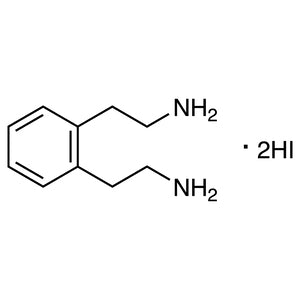
Dihydroiodide TCI B6569
Regular price From Rp 1.936.200,00Regular price -
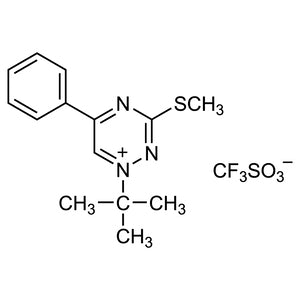
Trifluoromethanesulfonate TCI B7003
Regular price From Rp 1.936.200,00Regular price
![5,10-Bis(4,4,5,5-tetramethyl-1,3,2-dioxaborolan-2-yl)naphtho[1,2-c:5,6-c']bis([1,2,5]oxadiazole) - TCI B5774 - AMI Scientific](http://amiscientific.com/cdn/shop/files/TCI2510B5774.jpg?v=1769180228&width=533)