4-(4-Bromophenylazo)phenol is a chemical compound widely used in organic reactions, particularly in the synthesis of azo compounds and their derivatives. This compound features an aromatic structure with an azo group (-N=N-), which enables complex chemical reactions such as substitution, oxidation, and aromatic reactions. Its unique molecular structure makes it a versatile reagent in various synthetic pathways. In the laboratory, it serves as a key building block for the development of colored compounds, dyes, and industrial chemicals.
The compound is known for its chemical stability under specific conditions and exhibits high reactivity towards a variety of reagents. Its molecular complexity allows for precise and specific chemical reactions, making it ideal for applications that require controlled synthesis. The reactivity and structural versatility of 4-(4-Bromophenylazo)phenol make it a preferred choice for researchers aiming to create compounds with tailored properties. Its reliability and performance in synthetic processes contribute to its popularity in both academic and industrial research settings.
In Indonesian laboratories, this compound is commonly used in organic chemistry research, especially in the synthesis of azo compounds and the development of coloring agents. Researchers from educational institutions and research organizations frequently utilize it for experiments requiring reactive and specific chemical building blocks. Its role in advancing chemical synthesis and material development is well recognized in the local scientific community.
- Azo Compound Synthesis: This compound is ideal for creating azo dyes and derivatives due to its azo group, enabling complex organic reactions.
- Colorant Development: Its ability to form colored compounds makes it suitable for research into dyes and pigments used in industry.
- Organic Reaction Studies: The compound's reactivity and structural versatility support a wide range of synthetic experiments in organic chemistry.
- Industrial Chemical Production: It serves as a building block for the synthesis of various industrial chemicals, including specialty compounds.
- Research and Development: Its use in academic and research settings supports the development of new materials and chemical processes.
| Brand | TCI |
|---|---|
| CAS number | 3035-94-7 |
| Molecular formula | — |
| Purity | — |
| Category | Chemistry > Building Blocks > Non-Heterocyclic Building Blocks |
| Pack sizes | Available in various quantities as per supplier specifications |
| Physical form | Solid (may vary depending on supplier) |
| Storage | Store in a cool, dry place away from light and moisture |
This compound should be stored in a cool, dry place, away from direct sunlight and moisture to maintain its chemical stability. It is recommended to use airtight containers made of glass or high-density polyethylene to prevent exposure to air and humidity. Due to its reactivity, it should be handled in a well-ventilated area, ideally within a fume hood, to minimize inhalation risks. Avoid contact with incompatible substances such as strong oxidizing agents. Always wear appropriate personal protective equipment, including gloves, safety goggles, and a lab coat, when handling this material. Proper storage and handling ensure the compound remains effective and safe for use in laboratory applications.
—
Produk Terkait
-
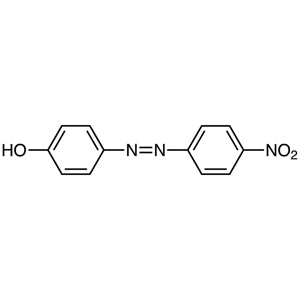
4-(4-Nitrophenylazo)phenol TCI N0653
Regular price From Rp 6.308.400,00Regular priceRp 4.411.050,00Sale price From Rp 6.308.400,00 -
4-(4-Nitrophenylazo)orcinol TCI N0324
Regular price Rp 2.995.650,00Regular priceRp 2.094.750,00Sale price Rp 2.995.650,00 -
4-(Phenylazo)phenol TCI P0149
Regular price Rp 1.538.250,00Regular priceRp 1.075.200,00Sale price Rp 1.538.250,00 -
4-(4-Butylphenylazo)phenol TCI B2357
Regular price From Rp 2.677.500,00Regular priceRp 1.872.150,00Sale price From Rp 2.677.500,00 -
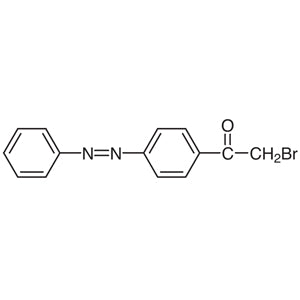
4-PhenylazophenacylBromide TCI B0634
Regular price Rp 9.857.400,00Regular priceRp 6.893.250,00Sale price Rp 9.857.400,00 -
4-PhenylazobenzoylChloride TCI P0144
Regular price From Rp 2.174.550,00Regular priceRp 1.520.400,00Sale price From Rp 2.174.550,00 -
4-(1,2,2-Triphenylvinyl)phenol TCI T3895
Regular price Rp 6.386.100,00Regular priceRp 4.481.400,00Sale price Rp 6.386.100,00 -
2,4-Bis(alpha,alpha-dimethylbenzyl)phenol TCI B2772
Regular price From Rp 582.750,00Regular priceRp 423.150,00Sale price From Rp 582.750,00