4-(4-Butylphenylazo)phenol is a chemical compound widely used in laboratory settings for its versatility in organic synthesis and molecular structure studies. As a building block in chemistry, it plays a crucial role in the development of complex molecules and the exploration of molecular interactions. Its aromatic structure enables highly specific chemical reactions, making it a valuable tool for researchers aiming to create new compounds with tailored properties. This compound is particularly useful in applications requiring precise control over chemical transformations, such as in the design of pharmaceuticals or advanced materials.
The compound's stability and controlled reactivity make it a preferred choice for a wide range of chemical processes. It exhibits good solubility in organic solvents, which simplifies handling and purification procedures in the lab. Its ability to participate in substitution, condensation, and redox reactions enhances its utility in various synthetic pathways. These properties ensure that it remains a reliable component in experiments where reproducibility and accuracy are essential.
In Indonesian laboratories, 4-(4-Butylphenylazo)phenol is commonly used in organic chemistry research, especially in academic and research institutions. It is an essential part of projects focused on molecular structure analysis, drug development, and material science. Its availability and reliability make it a standard material for researchers working on innovative chemical solutions and advanced analytical techniques.
Related TCI products
- Organic synthesis projects benefit from its aromatic structure and reactivity, enabling the creation of complex molecules with precise functional groups.
- Molecular structure studies utilize its ability to participate in various chemical reactions, providing insights into molecular behavior and interactions.
- Pharmaceutical research leverages its role as a building block in the development of new drug compounds with targeted therapeutic properties.
- Material science applications use its chemical versatility to design and synthesize advanced materials with specific physical and chemical properties.
- Analytical chemistry experiments rely on its solubility and reactivity for accurate and reproducible results in compound characterization and analysis.
| Brand | TCI |
|---|---|
| CAS number | 2496-21-1 |
| Molecular formula | — |
| Purity | — |
| Category | Chemistry > Building Blocks > Non-Heterocyclic Building Blocks |
| Pack sizes | Available in various quantities as per standard laboratory supply |
| Physical form | Solid or powder, depending on supplier packaging |
| Storage | Store in a cool, dry place away from light and moisture |
This compound should be stored in a cool, dry environment, away from direct sunlight and moisture to maintain its chemical integrity. It is recommended to use airtight containers made of glass or high-density polyethylene to prevent contamination and degradation. Due to its chemical nature, it should be handled with appropriate personal protective equipment, such as gloves and safety goggles, to ensure laboratory safety. Avoid exposure to incompatible substances and ensure proper ventilation in the workspace. Regular monitoring of storage conditions is advised to maintain the compound's stability and usability in research applications.
—
Produk Terkait
-
4-(4-Bromophenylazo)phenol TCI B4053
Regular price Rp 3.392.550,00Regular priceRp 2.371.950,00Sale price Rp 3.392.550,00 -
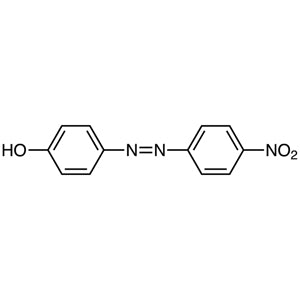
4-(4-Nitrophenylazo)phenol TCI N0653
Regular price Rp 6.308.400,00Regular priceRp 4.411.050,00Sale price Rp 6.308.400,00 -
4-(4-Nitrophenylazo)orcinol TCI N0324
Regular price Rp 2.995.650,00Regular priceRp 2.094.750,00Sale price Rp 2.995.650,00 -
4-(1,2,2-Triphenylvinyl)phenol TCI T3895
Regular price Rp 6.386.100,00Regular priceRp 4.481.400,00Sale price Rp 6.386.100,00 -
2,4-Bis(alpha,alpha-dimethylbenzyl)phenol TCI B2772
Regular price Rp 582.750,00Regular priceRp 423.150,00Sale price Rp 582.750,00 -
3-(Benzyloxy)phenol TCI B2070
Regular price Rp 5.460.000,00Regular priceRp 3.833.550,00Sale price Rp 5.460.000,00 -
2-(Benzyloxy)phenol TCI B1661
Regular price Rp 2.677.500,00Regular priceRp 1.887.900,00Sale price Rp 2.677.500,00 -
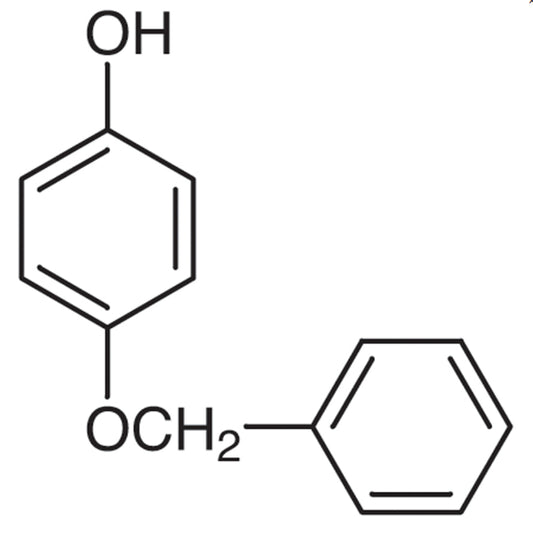
4-(Benzyloxy)phenol TCI B1104
Regular price Rp 1.801.800,00Regular priceRp 1.275.750,00Sale price Rp 1.801.800,00