


4-(4-Nitrophenylazo)orcinol is a chemical compound widely used in organic and analytical laboratory reactions. It serves as a key building block in the synthesis of complex molecules, particularly in azo reactions where it facilitates the coupling of azo groups with other compounds such as phenols or amines. This compound plays a crucial role in the development of new chemical structures and the analysis of molecular interactions. Its versatility makes it an essential tool for researchers and students engaged in chemical experimentation.
The compound is valued for its chemical stability under controlled conditions, although it is sensitive to light and high temperatures. These properties make it suitable for use in reactions that require precise environmental control. Its molecular structure is well-defined, allowing for accurate analysis using techniques like spectroscopy and chromatography. This reliability and predictability enhance its utility in both qualitative and quantitative chemical studies.
In Indonesian laboratories, 4-(4-Nitrophenylazo)orcinol is commonly used in organic chemistry research, analytical testing, and the development of new chemical compounds. Its specific properties and broad applications make it a preferred choice for scientists and academics working on a wide range of chemical projects. Its role in facilitating chemical synthesis and analysis is critical to advancing research in the field.
- Organic synthesis reactions where azo coupling is required for the formation of complex molecular structures.
- Analytical chemistry applications for the detection and quantification of specific compounds in samples.
- Development of new chemical compounds through controlled reaction conditions and molecular modification.
- Qualitative analysis in laboratory settings to identify functional groups and molecular interactions.
- Research projects in chemical engineering and pharmaceutical sciences requiring precise reagents for synthetic pathways.
| Brand | TCI |
|---|---|
| CAS number | 607-96-5 |
| Molecular formula | — |
| Purity | — |
| Category | Chemistry > Building Blocks > Non-Heterocyclic Building Blocks |
| Pack sizes | Available in standard laboratory quantities as per supplier specifications |
| Physical form | Solid, typically in crystalline or powder form |
| Storage | Store in a cool, dark place away from light and heat sources |
This compound should be stored in a cool, dark environment to prevent degradation due to light and high temperatures. It is recommended to use amber-colored glass containers to minimize exposure to light. The substance should be kept in a dry, well-ventilated area to avoid moisture absorption. Laboratory personnel should handle it with appropriate personal protective equipment, such as gloves and safety goggles, to ensure safety during use. Proper labeling and storage conditions are essential to maintain its chemical integrity and ensure safe handling in the laboratory setting.
—
Produk Terkait
-
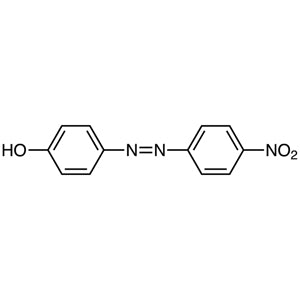
4-(4-Nitrophenylazo)phenol TCI N0653
Regular price From Rp 6.308.400,00Regular price -
4-(4-Bromophenylazo)phenol TCI B4053
Regular price From Rp 3.392.550,00Regular price -
4-(4-Butylphenylazo)phenol TCI B2357
Regular price From Rp 2.677.500,00Regular price -
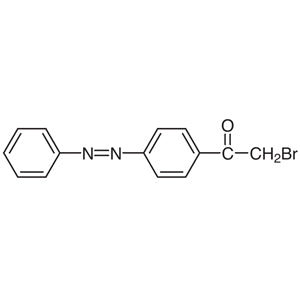
4-PhenylazophenacylBromide TCI B0634
Regular price Rp 9.857.400,00Regular price -
4-PhenylazobenzoylChloride TCI P0144
Regular price From Rp 2.174.550,00Regular price -
Phenylazoresorcinol TCI P0151
Regular price Rp 2.121.000,00Regular price -
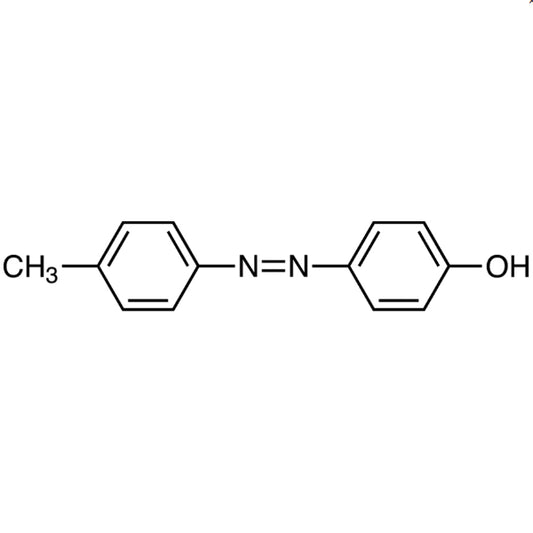
4-(4-Methylphenylazo)phenol TCI M3204
Regular price From Rp 1.115.100,00Regular price -
11-[4-(4-Butylphenylazo)phenoxy]undecylMethacrylate TCI M1463
Regular price From Rp 6.308.400,00Regular price




![942230-11-7 11-[4-(4-Butylphenylazo)phenoxy]undecyl Methacrylate - AMI Scientific](http://amiscientific.com/cdn/shop/files/TCI2510M1463.jpg?v=1768361498&width=533)