2-Vinylphenyl Acetate (stabilized with Phenothiazine) is a chemical compound widely used in organic synthesis as a building block in laboratory settings. This versatile reagent plays a crucial role in the development of complex organic molecules, including pharmaceuticals, polymers, and industrial chemicals. Its presence in various chemical reactions allows for the introduction of both vinyl and phenyl functional groups, making it an essential component in synthetic pathways. The compound is particularly valued for its ability to participate in substitution and addition reactions, which are fundamental in creating new molecular structures.
One of the key properties that make 2-Vinylphenyl Acetate a preferred choice is its stability, which is significantly enhanced by the inclusion of Phenothiazine as a stabilizer. This stabilization ensures that the compound remains chemically inert under normal laboratory conditions, reducing the risk of degradation or unwanted side reactions. Additionally, its chemical properties allow for efficient and controlled reactions, making it suitable for use in a wide range of experimental setups. The compound’s stability also simplifies storage and handling, contributing to its reliability in research environments.
In Indonesian laboratories, 2-Vinylphenyl Acetate is commonly used in organic chemistry research, particularly in academic institutions and research centers. Local researchers rely on this compound for experiments requiring high precision and consistency in the synthesis of complex molecules. Its availability and stability make it a go-to material for both educational and industrial research applications. The compound supports the development of new chemical compounds, reinforcing its importance in the scientific community.
TCI brochures (PDF)
- Biomaterials Research Reagents 2025-02-19 · p. 13
- Monomers 2025-05-28 · p. 14
Related TCI products
- TCI A1551 2628-16-2 4-Vinylphenyl Acetate (stabilized with TBC)
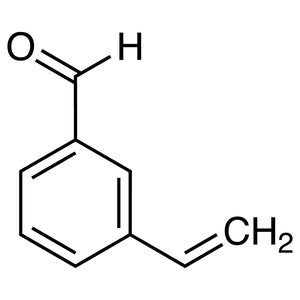
- TCI E1574 19955-99-8 3-Vinylbenzaldehyde (stabilized with TBC)
- TCI P2986 2998-23-4 Pentyl Acrylate (stabilized with phenothiazine)
- TCI T4061 870004-04-9 4,4,5,5-Tetramethyl-2-(4-vinylphenyl)-1,3,2-dioxaborolane
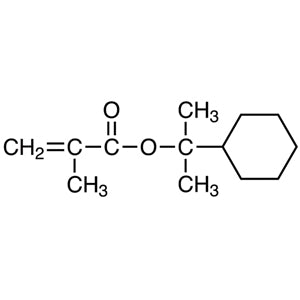
- TCI C3642 186585-56-8 2-Cyclohexylpropan-2-yl Methacrylate (stabilized with Phenothiazine)
- TCI A0045 108-05-4 Vinyl Acetate Monomer (stabilized with HQ)
- Organic synthesis of complex compounds benefits from the reactivity and stability of 2-Vinylphenyl Acetate, allowing for precise molecular construction.
- Pharmaceutical research utilizes this compound to develop new drug molecules by introducing specific functional groups into target structures.
- Polymer science applications leverage its vinyl group for creating synthetic polymers with tailored properties and chemical resistance.
- Industrial chemical production relies on its stability and reactivity to create a wide range of chemical products efficiently.
- Educational laboratories use it to teach fundamental organic chemistry principles through hands-on experimentation and synthesis techniques.
| Brand | TCI |
|---|---|
| CAS number | 63600-35-1 |
| Molecular formula | — |
| Purity | — |
| Category | Chemistry > Building Blocks > Non-Heterocyclic Building Blocks |
| Pack sizes | Available in various quantities as per standard laboratory supply |
| Physical form | Liquid |
| Storage | Store in a cool, dark place away from direct sunlight and moisture |
2-Vinylphenyl Acetate should be stored in a cool, dark environment to maintain its stability and prevent degradation. It is recommended to keep the compound in a sealed container to minimize exposure to air and moisture. Suitable storage containers include glass or high-density polyethylene (HDPE) bottles, which provide chemical resistance and prevent contamination. Laboratory personnel should handle the compound with care, using appropriate personal protective equipment such as gloves and safety goggles. Avoiding prolonged exposure to heat and light is essential to preserve its chemical integrity. Regular inspection of storage conditions ensures the compound remains safe and effective for use in research applications.
—
Product Categories
Produk Terkait
-
4-VinylphenylAcetate(stabilizedwithTBC) TCI A1551
Regular price From Rp 1.060.500,00Regular priceRp 757.050,00Sale price From Rp 1.060.500,00 -
3-Vinylbenzaldehyde(stabilizedwithTBC) TCI E1574
Regular price From Rp 2.227.050,00Regular priceRp 1.557.150,00Sale price From Rp 2.227.050,00 -
PentylAcrylate(stabilizedwithphenothiazine) TCI P2986
Regular price From Rp 1.670.550,00Regular priceRp 1.167.600,00Sale price From Rp 1.670.550,00 -
4,4,5,5-Tetramethyl-2-(4-vinylphenyl)-1,3,2-dioxaborolane TCI T4061
Regular price From Rp 4.108.650,00Regular priceRp 2.888.550,00Sale price From Rp 4.108.650,00 -
2-Cyclohexylpropan-2-ylMethacrylate(stabilizedwithPhenothiazine) TCI C3642
Regular price Rp 4.664.100,00Regular priceRp 3.261.300,00Sale price Rp 4.664.100,00 -
VinylAcetateMonomer(stabilizedwithHQ) TCI A0045
Regular price Rp 477.750,00Regular priceRp 333.900,00Sale price Rp 477.750,00 -
2-Methoxy-4-vinylphenol(stabilizedwithTBC) TCI M3600
Regular price From Rp 2.914.800,00Regular priceRp 2.053.800,00Sale price From Rp 2.914.800,00 -
4-tert-Butoxystyrene(stabilizedwithTBC) TCI B1443
Regular price From Rp 1.749.300,00Regular priceRp 1.223.250,00Sale price From Rp 1.749.300,00