2-Methyl-2-propenyl Acetate (TCI A1605) is a chemical compound widely used in organic laboratory reactions. It serves as a fundamental building block in the synthesis of complex organic molecules. Its simple molecular structure makes it a versatile reagent in various chemical processes. This compound is commonly utilized in the preparation of aromatic and aliphatic compounds, playing a key role in substitution and addition reactions. Due to its chemical stability, it is a reliable choice for laboratory applications requiring consistent performance.
The compound is known for its volatility and tendency to evaporate, which necessitates careful handling. It is colorless and odorless, making it easy to detect during analytical procedures. Its stable chemical properties ensure minimal degradation during reactions, enhancing its reliability in experimental settings. These characteristics make it a preferred choice for researchers and educators in chemical laboratories. The compound's simplicity and effectiveness contribute to its widespread use in both academic and industrial research environments.
In Indonesian laboratories, 2-Methyl-2-propenyl Acetate is frequently used in organic chemistry research and educational settings. It is a valuable tool for students and professionals conducting experiments in synthetic chemistry. Its availability and affordability make it a popular choice among various institutions, including universities and research centers. The compound supports a wide range of chemical investigations, aiding in the development of new compounds and materials.
Related TCI products
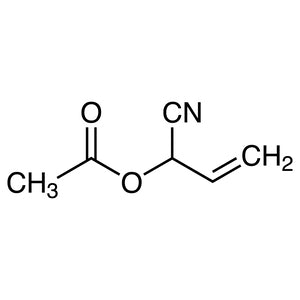
- TCI A1196 15667-63-7 1-Cyano-2-propenyl Acetate
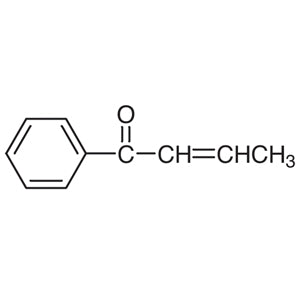
- TCI P0216 495-41-0 Phenyl 1-Propenyl Ketone
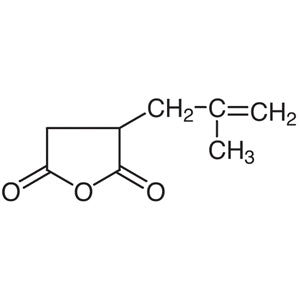
- TCI M1123 18908-20-8 (2-Methyl-2-propenyl)succinic Anhydride
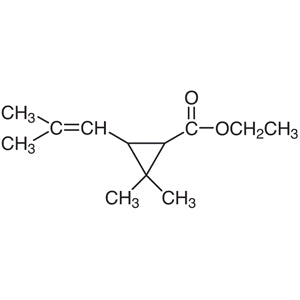
- TCI D2112 97-41-6 Ethyl 2,2-Dimethyl-3-(2-methyl-1-propenyl)cyclopropane-1-carboxylate
- TCI A0228 123-86-4 Butyl Acetate [for Spectrophotometry]
- TCI A0045 108-05-4 Vinyl Acetate Monomer (stabilized with HQ)
- Organic synthesis applications benefit from its role as a versatile building block in creating complex molecules.
- It is ideal for substitution reactions due to its reactivity and compatibility with various reagents.
- Addition reactions often utilize this compound for its stability and predictable chemical behavior.
- Educational institutions use it to teach fundamental concepts in organic chemistry and reaction mechanisms.
- Research laboratories rely on it for the development of new aromatic and aliphatic compounds.
| Brand | TCI |
|---|---|
| CAS number | 820-71-3 |
| Molecular formula | — |
| Purity | — |
| Category | Chemistry > Building Blocks > Non-Heterocyclic Building Blocks |
| Pack sizes | Available in standard laboratory quantities |
| Physical form | Liquid |
| Storage | Store in a cool, dry place away from direct sunlight |
This compound should be stored in a cool, dry environment, away from direct sunlight and sources of heat. It is recommended to use sealed containers to prevent evaporation due to its volatile nature. Proper ventilation is essential when handling the material to minimize exposure. Laboratory personnel should wear appropriate personal protective equipment, including gloves and safety goggles. The compound is non-toxic but should be handled with care to avoid inhalation or skin contact. It is important to keep the material in a secure location to prevent accidental spills or contamination.
—
Produk Terkait
-
1-Cyano-2-propenylAcetate TCI A1196
Regular price Rp 7.075.950,00Regular priceRp 4.963.350,00Sale price Rp 7.075.950,00 -
Phenyl1-PropenylKetone TCI P0216
Regular price From Rp 6.228.600,00Regular priceRp 4.355.400,00Sale price From Rp 6.228.600,00 -
(2-Methyl-2-propenyl)succinicAnhydride TCI M1123
Regular price Rp 7.154.700,00Regular priceRp 5.019.000,00Sale price Rp 7.154.700,00 -
Ethyl2,2-Dimethyl-3-(2-methyl-1-propenyl)cyclopropane-1-carboxylate TCI D2112
Regular price From Rp 1.351.350,00Regular priceRp 960.750,00Sale price From Rp 1.351.350,00 -
ButylAcetate[forSpectrophotometry] TCI A0228
Regular price Rp 1.538.250,00Regular priceRp 1.075.200,00Sale price Rp 1.538.250,00 -
VinylAcetateMonomer(stabilizedwithHQ) TCI A0045
Regular price Rp 477.750,00Regular priceRp 333.900,00Sale price Rp 477.750,00 -
PropylAcetate TCI A0044
Regular price From Rp 477.750,00Regular priceRp 333.900,00Sale price From Rp 477.750,00 -
PhenylAcetate TCI A0043
Regular price Rp 452.550,00Regular priceRp 316.050,00Sale price Rp 452.550,00