4-Aminobenzyl Cyanide is a chemical compound widely used in laboratory settings for the synthesis of complex molecules. It serves as a key building block in organic chemistry, enabling the formation of nitrogen and carbon bonds through various reaction mechanisms. This compound plays a crucial role in the development of both heterocyclic and non-heterocyclic compounds, making it an essential reagent in synthetic chemistry. Its unique chemical properties allow it to participate in nucleophilic and electrophilic reactions, contributing to the creation of new molecular structures with high precision.
The compound’s chemical stability and high reactivity make it a preferred choice for researchers in organic chemistry and pharmacology. Its ability to engage in substitution reactions and bond formation enhances its utility in the synthesis of pharmaceuticals and other complex organic molecules. The consistent quality and purity of 4-Aminobenzyl Cyanide ensure reliable results in scientific experiments, supporting high-precision research. These characteristics make it a valuable resource for laboratories requiring reproducible and accurate chemical processes.
In Indonesian laboratories, 4-Aminobenzyl Cyanide is commonly used in chemical, pharmaceutical, and biochemical research. It is a key component in the development of new compounds with potential applications in medicine and industry. Educational and research institutions in Indonesia frequently utilize this compound to advance scientific knowledge and innovation in various fields of chemistry.
- Organic synthesis applications benefit from 4-Aminobenzyl Cyanide due to its ability to form stable nitrogen-carbon bonds, facilitating the creation of complex molecular structures.
- Pharmaceutical research utilizes this compound for the development of new drug molecules, leveraging its reactivity in substitution and bond-forming reactions.
- Biochemical studies employ 4-Aminobenzyl Cyanide to investigate molecular interactions and reaction mechanisms in biological systems.
- Academic institutions use it as a teaching tool to demonstrate fundamental chemical reactions and synthetic pathways in organic chemistry.
- Industrial research labs incorporate this compound in the design of novel chemical products, taking advantage of its versatility in chemical transformations.
| Brand | TCI |
|---|---|
| CAS number | 3544-25-0 |
| Molecular formula | — |
| Purity | — |
| Category | Chemistry > Building Blocks > Non-Heterocyclic Building Blocks |
| Pack sizes | Available in various quantities as per standard laboratory supply |
| Physical form | Solid or liquid, depending on supplier packaging |
| Storage | Store in a cool, dry place away from direct sunlight and moisture |
4-Aminobenzyl Cyanide should be stored in a cool, dry environment to maintain its chemical stability and prevent degradation. It is recommended to keep the compound in a tightly sealed container to avoid exposure to moisture and air, which can affect its reactivity. Laboratory personnel should handle the material with appropriate personal protective equipment, such as gloves and safety goggles, to ensure safety during use. The compound is generally non-hazardous under normal conditions but should be stored away from incompatible substances to prevent any chemical interactions. Proper labeling and storage practices are essential to maintain the integrity of the compound and ensure safe handling in laboratory settings.
—
Produk Terkait
-
2-AminobenzylCyanide TCI A2997
Regular price From Rp 557.550,00Regular priceRp 405.300,00Sale price From Rp 557.550,00 -
4-Aminobenzylamine TCI A1436
Regular price From Rp 4.531.800,00Regular priceRp 3.184.650,00Sale price From Rp 4.531.800,00 -
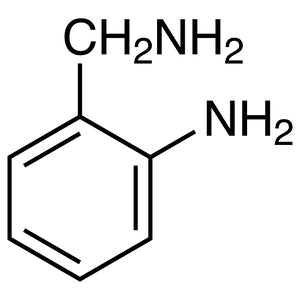
2-Aminobenzylamine TCI A1435
Regular price Rp 3.260.250,00Regular priceRp 2.295.300,00Sale price Rp 3.260.250,00 -
3-Aminobenzylamine TCI A1431
Regular price From Rp 900.900,00Regular priceRp 645.750,00Sale price From Rp 900.900,00 -
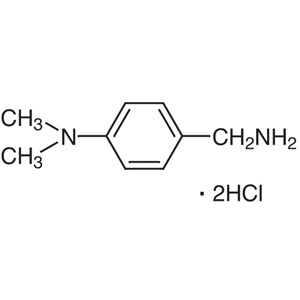
4-DimethylaminobenzylamineDihydrochloride TCI D1620
Regular price From Rp 3.815.700,00Regular priceRp 2.683.800,00Sale price From Rp 3.815.700,00 -
p-XylylCyanide TCI X0047
Regular price From Rp 1.060.500,00Regular priceRp 757.050,00Sale price From Rp 1.060.500,00 -
m-XylylCyanide TCI X0046
Regular price Rp 2.359.350,00Regular priceRp 1.665.300,00Sale price Rp 2.359.350,00 -
o-XylylCyanide TCI X0045
Regular price From Rp 1.272.600,00Regular priceRp 905.100,00Sale price From Rp 1.272.600,00