2-Aminobenzyl Cyanide is a chemical compound widely used in laboratory settings for the synthesis of complex molecules. As a building block in organic chemistry, it plays a crucial role in the development of new compounds with applications in pharmaceuticals, materials science, and chemical industries. Its versatility makes it an essential component in various synthetic pathways, enabling chemists to create a wide range of functional molecules. This compound is particularly valued for its ability to participate in multiple reaction types, including substitution and coupling reactions, due to its reactive functional groups.
The compound's unique structure, featuring both an amine group and a cyanide group, contributes to its high reactivity and functional versatility. These groups allow for extensive chemical modifications, making it a preferred choice for researchers aiming to design novel compounds. The combination of these functional groups enhances its utility in synthetic chemistry, as it can readily interact with a variety of other functional groups. This adaptability is key to its application in both academic and industrial research environments.
In Indonesian laboratories, 2-Aminobenzyl Cyanide is commonly used in organic chemistry research and the synthesis of complex compounds. It is frequently employed by researchers and students to explore chemical reactions and develop new substances. Due to its reactivity, it is also integral to pharmaceutical research, where it contributes to the creation of new drug candidates. Its importance in both educational and applied research contexts underscores its value in the scientific community.
- Organic synthesis research, as it enables the creation of complex molecules through substitution and coupling reactions.
- Pharmaceutical development, due to its reactivity and ability to form new functional groups in drug molecule design.
- Material science applications, where its structural versatility supports the synthesis of advanced organic materials.
- Educational purposes, allowing students to study chemical reactivity and synthetic pathways in a controlled environment.
- Industrial chemical production, where it serves as a key intermediate in the manufacture of specialty chemicals.
| Brand | TCI |
|---|---|
| CAS number | 2973-50-4 |
| Molecular formula | — |
| Purity | — |
| Category | Chemistry > Building Blocks > Non-Heterocyclic Building Blocks |
| Pack sizes | Available in various quantities as per supplier specifications |
| Physical form | Solid or liquid, depending on the specific product variant |
| Storage | Store in a cool, dry place away from light and incompatible substances |
2-Aminobenzyl Cyanide should be stored in a cool, dry place, away from direct sunlight and sources of heat. It is recommended to keep the compound in a tightly sealed container to prevent moisture absorption and contamination. Due to its reactivity, it should be stored separately from strong oxidizing agents and bases to avoid unwanted chemical reactions. In laboratory settings, it is important to handle the compound with appropriate personal protective equipment, such as gloves and safety goggles, to ensure safety. Proper ventilation should be maintained when working with this compound to minimize exposure. Regular monitoring of storage conditions is essential to maintain its stability and effectiveness for research purposes.
—
Produk Terkait
-
4-AminobenzylCyanide TCI A1612
Regular price From Rp 1.696.800,00Regular priceRp 1.202.250,00Sale price From Rp 1.696.800,00 -
4-Aminobenzylamine TCI A1436
Regular price From Rp 4.531.800,00Regular priceRp 3.184.650,00Sale price From Rp 4.531.800,00 -
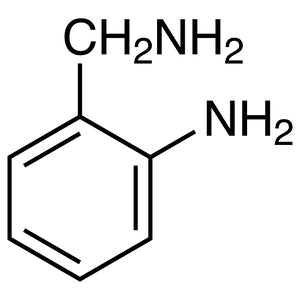
2-Aminobenzylamine TCI A1435
Regular price Rp 3.260.250,00Regular priceRp 2.295.300,00Sale price Rp 3.260.250,00 -
3-Aminobenzylamine TCI A1431
Regular price From Rp 900.900,00Regular priceRp 645.750,00Sale price From Rp 900.900,00 -
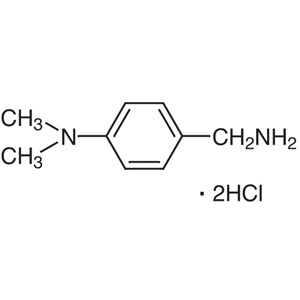
4-DimethylaminobenzylamineDihydrochloride TCI D1620
Regular price From Rp 3.815.700,00Regular priceRp 2.683.800,00Sale price From Rp 3.815.700,00 -
p-XylylCyanide TCI X0047
Regular price From Rp 1.060.500,00Regular priceRp 757.050,00Sale price From Rp 1.060.500,00 -
m-XylylCyanide TCI X0046
Regular price Rp 2.359.350,00Regular priceRp 1.665.300,00Sale price Rp 2.359.350,00 -
o-XylylCyanide TCI X0045
Regular price From Rp 1.272.600,00Regular priceRp 905.100,00Sale price From Rp 1.272.600,00