![75-07-0 Acetaldehyde (ca. 2% in N,N-Dimethylformamide) [for Detection of Primary and Secondary Amines] - AMI Scientific](http://amiscientific.com/cdn/shop/files/TCI2510A1640.jpg?v=1768203865&width=1946)
![75-07-0 Acetaldehyde (ca. 2% in N,N-Dimethylformamide) [for Detection of Primary and Secondary Amines] - AMI Scientific](http://amiscientific.com/cdn/shop/files/TCI2510A1640.jpg?v=1768203865&width=1445)
Acetaldehyde (ca. 2% in N,N-Dimethylformamide) is a chemical compound widely used in laboratory settings for the detection of primary and secondary amines. This reagent plays a crucial role in organic chemistry by facilitating specific reactions that help identify molecular structures. Its reactivity and ability to participate in various chemical transformations make it an essential tool for analytical and synthetic processes. In research and development, it is often employed to probe the reactivity of functional groups and to support the synthesis of complex organic molecules.
The compound’s controlled concentration of 2% in N,N-Dimethylformamide ensures stability while maintaining reactivity, making it a preferred choice for precise chemical applications. Its high purity and consistent quality contribute to reliable results in laboratory experiments. The solubility in common organic solvents and its compatibility with a range of reagents further enhance its utility. These properties make it a versatile and dependable reagent for both academic and industrial research.
In Indonesian laboratories, Acetaldehyde is commonly used in chemical research and development, particularly in higher education institutions and research centers. Its role in detecting amines and supporting organic synthesis makes it an essential component of many analytical and synthetic protocols. The availability of this reagent in liquid form simplifies handling and integration into laboratory workflows, ensuring efficient use in both teaching and research environments.
TCI brochures (PDF)
- Safely Handleable Volatile Solutions 2024-05-02 · p. 2
Related TCI products
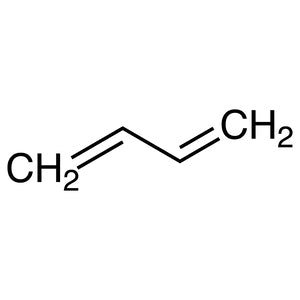
- TCI B6533 106-99-0 1,3-Butadiene (ca. 5% in N,N-Dimethylformamide, ca. 0.9 mol/L)
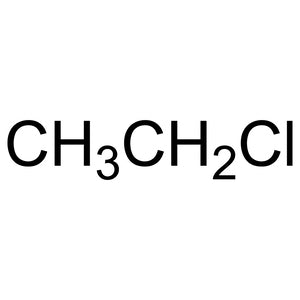
- TCI C4176 75-00-3 Chloroethane (ca. 15% in N,N-Dimethylformamide, ca. 2 mol/L)
- TCI T4311 104-09-6 2-(p-Tolyl)acetaldehyde
- TCI B2481 60656-87-3 (Benzyloxy)acetaldehyde (stabilized with BHT)
- TCI P2846 463-49-0 Allene (ca. 2% in N,N-Dimethylformamide, ca. 0.4 mol/L)
- TCI P2152 74-99-7 Propyne (ca 4% in N,N-Dimethylformamide, ca 10mol/L)
- Detection of primary and secondary amines through characteristic chemical reactions that produce identifiable products.
- Support in the synthesis of organic compounds by acting as a reagent in carbonyl-related reactions.
- Identification of molecular structures based on specific chemical behavior in analytical procedures.
- Use in teaching laboratories for demonstrating fundamental chemical reactions and analytical techniques.
- Application in research settings requiring precise and reproducible chemical reactions for compound development.
| Brand | TCI |
|---|---|
| CAS number | 75-07-0 |
| Molecular formula | — |
| Purity | — |
| Category | Chemistry > Building Blocks > Non-Heterocyclic Building Blocks |
| Pack sizes | Available in standard laboratory quantities as per supplier specifications |
| Physical form | Liquid |
| Storage | Store in a cool, dark place away from heat and direct sunlight |
Acetaldehyde should be stored in a cool, dark location, away from heat and direct sunlight to maintain its stability. It is recommended to use airtight containers made of glass or high-density polyethylene to prevent contamination and evaporation. Due to its reactive nature, it should be handled in a well-ventilated area, preferably under a fume hood, to minimize exposure. Avoid contact with incompatible materials such as strong oxidizing agents. Always wear appropriate personal protective equipment, including gloves, goggles, and a lab coat, when handling this compound. Proper storage and handling are essential to ensure safety and maintain the integrity of the reagent for laboratory use.
—
Produk Terkait
-
1,3-Butadiene(ca.5%inN,N-Dimethylformamide,ca.0.9mol/L) TCI B6533
Regular price From Rp 1.405.950,00Regular price -
Chloroethane(ca.15%inN,N-Dimethylformamide,ca.2mol/L) TCI C4176
Regular price Rp 1.803.900,00Regular price -
2-(p-Tolyl)acetaldehyde TCI T4311
Regular price From Rp 3.100.650,00Regular price -
(Benzyloxy)acetaldehyde(stabilizedwithBHT) TCI B2481
Regular price From Rp 1.510.950,00Regular price -
Allene(ca.2%inN,N-Dimethylformamide,ca.0.4mol/L) TCI P2846
Regular price From Rp 1.353.450,00Regular price -
Propyne(ca4%inN,N-Dimethylformamide,ca10mol/L) TCI P2152
Regular price From Rp 1.087.800,00Regular price -
AcetaldehydeSemicarbazone TCI A0193
Regular price From Rp 1.035.300,00Regular price -
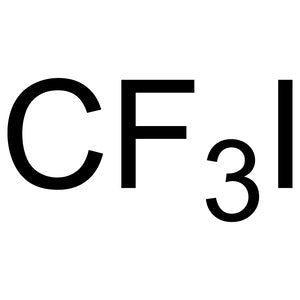
Trifluoroiodomethane(ca.10%inN,N-Dimethylformamide,ca.0.5mol/L) TCI T4423
Regular price From Rp 1.776.600,00Regular price