Benzyloxyacetaldehyde (stabilized with BHT), with CAS number 60656-87-3, is a chemical compound widely used in organic laboratory reactions. This building block plays a crucial role in the synthesis of complex molecules, particularly in reactions involving carbon-carbon bond formation or molecular structure modification. Its versatility makes it a valuable tool for chemists working on a variety of synthetic pathways, from pharmaceutical development to industrial chemical production. As a key intermediate, it supports the creation of heterocyclic compounds, drugs, and other functional materials.
The compound's stability is ensured through stabilization with BHT (Butylated Hydroxytoluene), which prevents oxidation and degradation during storage. This makes it a preferred choice for researchers requiring long-term storage and consistent performance. Its liquid form and distinct aroma also aid in identification and handling. The inclusion of BHT enhances safety in laboratory settings, particularly for experiments that involve extended storage periods or multiple reaction steps.
In Indonesian laboratories, Benzyloxyacetaldehyde is commonly used in organic chemistry research, especially in academic institutions and research centers. Its availability, stability, and reliability make it a trusted choice for both educational and industrial applications. Researchers rely on this compound to meet the demands of various synthetic processes, ensuring reproducibility and accuracy in their experiments.
Related TCI products
- TCI A0193 591-86-6 Acetaldehyde Semicarbazone
- TCI T4311 104-09-6 2-(p-Tolyl)acetaldehyde
- TCI A1640 75-07-0 Acetaldehyde (ca. 2% in N,N-Dimethylformamide) [for Detection of Primary and Secondary Amines]
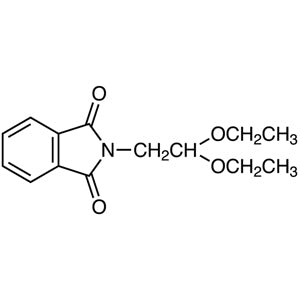
- TCI P1229 78902-09-7 2-Phthalimidoacetaldehyde Diethyl Acetal
- TCI P0119 122-78-1 Phenylacetaldehyde (40-55% in Diethyl Phthalate)
- TCI D2492 947-91-1 Diphenylacetaldehyde
- Organic synthesis reactions where carbon-carbon bond formation is required, due to its reactivity and structural versatility.
- Drug development projects involving heterocyclic compound synthesis, as it serves as a key building block in complex molecular structures.
- Industrial chemical production processes requiring stable intermediates for prolonged storage and consistent performance.
- Educational laboratory experiments in undergraduate and graduate chemistry courses, offering hands-on experience with functional group transformations.
- Research applications in molecular modification and structural analysis, supporting advanced chemical investigations in academic and industrial settings.
| Brand | TCI |
|---|---|
| CAS number | 60656-87-3 |
| Molecular formula | — |
| Purity | — |
| Category | Chemistry > Building Blocks > Non-Heterocyclic Building Blocks |
| Pack sizes | Available in standard laboratory quantities as per supplier specifications |
| Physical form | Liquid |
| Storage | Store in a cool, dark place away from light and heat to maintain stability |
Benzyloxyacetaldehyde should be stored in a cool, dark location to prevent degradation and maintain its chemical stability. It is recommended to use airtight containers made of glass or high-density polyethylene to minimize exposure to air and moisture. Since it is stabilized with BHT, it is less prone to oxidation, but proper sealing is still essential for long-term storage. Laboratory personnel should handle the compound with care, using appropriate personal protective equipment such as gloves and safety goggles to ensure safe handling. It is important to store it away from incompatible materials, such as strong oxidizing agents, to prevent any potential chemical interactions. Regular monitoring of storage conditions will help maintain the compound's integrity and ensure its effectiveness in laboratory applications.
—
Product Categories
Produk Terkait
-
AcetaldehydeSemicarbazone TCI A0193
Regular price From Rp 1.087.800,00Regular priceRp 775.950,00Sale price From Rp 1.087.800,00 -
2-(p-Tolyl)acetaldehyde TCI T4311
Regular price From Rp 3.100.650,00Regular priceRp 2.168.250,00Sale price From Rp 3.100.650,00 -
Acetaldehyde(ca.2%inN,N-Dimethylformamide)[forDetectionofPrimaryandSecondaryAmines] TCI A1640
Regular price Rp 1.696.800,00Regular priceRp 1.186.500,00Sale price Rp 1.696.800,00 -
2-PhthalimidoacetaldehydeDiethylAcetal TCI P1229
Regular price Rp 2.623.950,00Regular priceRp 1.850.100,00Sale price Rp 2.623.950,00 -
Phenylacetaldehyde(40-55%inDiethylPhthalate) TCI P0119
Regular price Rp 1.670.550,00Regular priceRp 1.167.600,00Sale price Rp 1.670.550,00 -
Diphenylacetaldehyde TCI D2492
Regular price From Rp 3.817.800,00Regular priceRp 2.669.100,00Sale price From Rp 3.817.800,00 -
Dichloroacetaldehyde TCI D0312
Regular price Rp 8.506.050,00Regular priceRp 5.948.250,00Sale price Rp 8.506.050,00 -
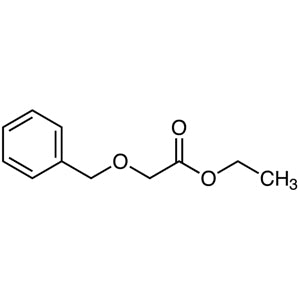
Ethyl(Benzyloxy)acetate TCI E1225
Regular price From Rp 795.900,00Regular priceRp 572.250,00Sale price From Rp 795.900,00