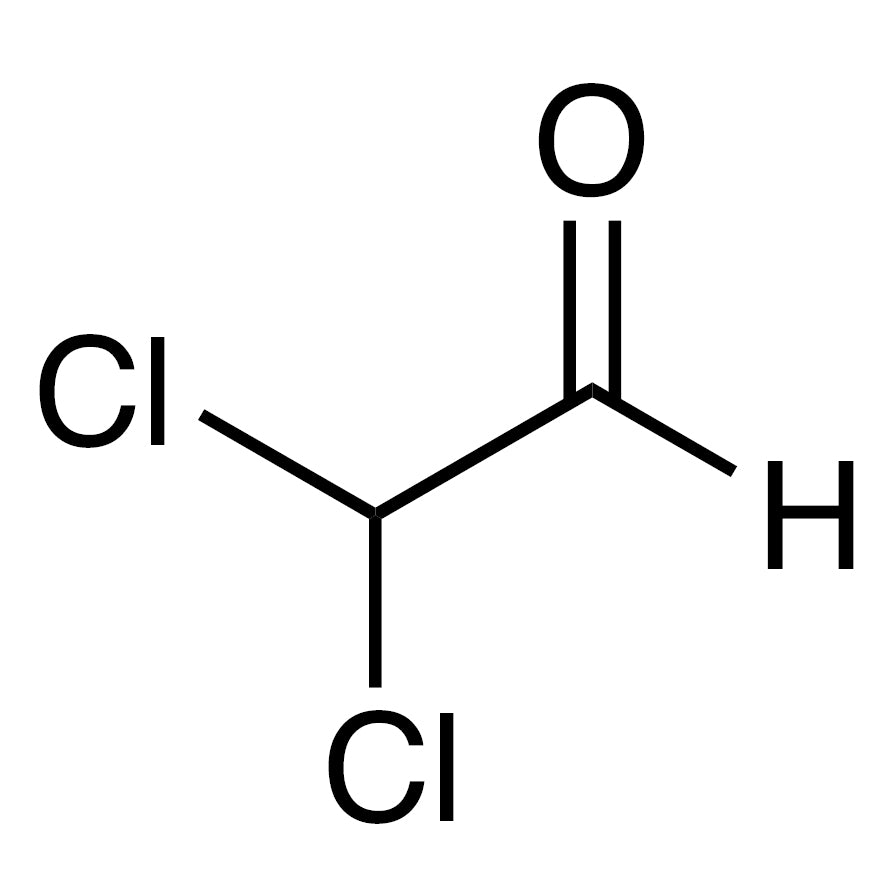
Dichloroacetaldehyde (DCAA), with the CAS number 16086-14-9, is a versatile chemical compound widely used in laboratory settings for its reactivity and utility in synthetic chemistry. As a building block in the field of chemistry, DCAA plays a crucial role in the synthesis of complex molecules, particularly in organic and heterocyclic compound production. Its simple molecular structure allows it to participate in various chemical reactions, making it an essential reagent for chemists working in research and development. Due to its high reactivity, DCAA is often employed in oxidation and reduction reactions to generate more complex chemical structures.
DCAA is known for its strong reactivity, especially towards water and polar compounds, which makes it a preferred choice in synthetic processes requiring high reactivity. Its ability to form stable intermediates and participate in multiple reaction pathways makes it a valuable tool in organic synthesis. Additionally, DCAA’s chemical properties allow it to react with a wide range of functional groups, enhancing its applicability in different chemical transformations. These characteristics make it a go-to reagent for laboratories aiming to produce a variety of chemical compounds efficiently.
In Indonesian laboratories, DCAA is commonly used in chemical research, pharmaceutical development, and industrial chemistry applications. Its role in the synthesis of pharmaceuticals and organic compounds makes it a key component in academic and industrial research. Due to its reactivity and utility, DCAA is frequently selected for experiments that require a high level of chemical reactivity and functional group versatility. It is a staple in laboratories that focus on synthetic chemistry and drug development.
Related TCI products
- TCI T4311 104-09-6 2-(p-Tolyl)acetaldehyde
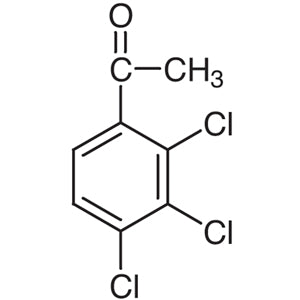
- TCI T2306 13608-87-2 2',3',4'-Trichloroacetophenone
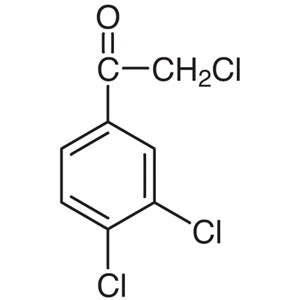
- TCI T1965 42981-08-8 2,3',4'-Trichloroacetophenone
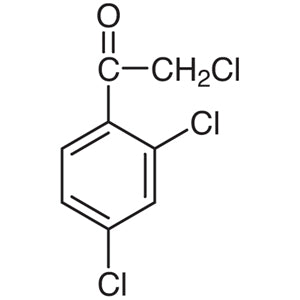
- TCI T1405 4252-78-2 2,2',4'-Trichloroacetophenone
- TCI B2481 60656-87-3 (Benzyloxy)acetaldehyde (stabilized with BHT)
- TCI A3026 79406-57-8 3'-Amino-4'-chloroacetophenone
- Organic synthesis: Dichloroacetaldehyde is widely used in the synthesis of complex organic compounds due to its reactivity and ability to form various functional groups.
- Pharmaceutical research: It plays a key role in the development of new drugs by serving as a building block for synthesizing active pharmaceutical ingredients.
- Heterocyclic compound production: DCAA is essential in the formation of heterocyclic structures, which are common in many pharmaceutical and chemical products.
- Oxidation and reduction reactions: Its high reactivity makes it suitable for use in redox reactions where the formation of complex structures is required.
- Industrial chemical processes: It is used in the production of various industrial chemicals due to its versatility in chemical transformations.
| Brand | TCI |
|---|---|
| CAS number | 16086-14-9 |
| Molecular formula | — |
| Purity | — |
| Category | Chemistry > Building Blocks > Non-Heterocyclic Building Blocks |
| Pack sizes | Available in various quantities as per supplier specifications |
| Physical form | Liquid |
| Storage | Requires storage in a cool, dry place away from moisture and incompatible substances |
Dichloroacetaldehyde should be stored in a cool, dry place, away from moisture and incompatible materials. It is recommended to use airtight containers made of materials resistant to chemical corrosion, such as glass or high-density polyethylene. Due to its corrosive nature, it should be handled with appropriate personal protective equipment, including gloves and safety goggles. Storage should be in a well-ventilated area to prevent the accumulation of harmful vapors. Regular monitoring of storage conditions is essential to ensure the stability and safety of the compound in the laboratory environment. Proper labeling and segregation from other chemicals are also important to prevent accidental exposure and ensure safe handling practices.
—
Produk Terkait
-
2-(p-Tolyl)acetaldehyde TCI T4311
Regular price From Rp 3.100.650,00Regular price -
2',3',4'-Trichloroacetophenone TCI T2306
Regular price Rp 848.400,00Regular price -
2,3',4'-Trichloroacetophenone TCI T1965
Regular price Rp 2.068.500,00Regular price -
2,2',4'-Trichloroacetophenone TCI T1405
Regular price Rp 610.050,00Regular price -
(Benzyloxy)acetaldehyde(stabilizedwithBHT) TCI B2481
Regular price From Rp 1.510.950,00Regular price -
3'-Amino-4'-chloroacetophenone TCI A3026
Regular price From Rp 557.550,00Regular price -
4'-Amino-3',5'-dichloroacetophenone TCI A1967
Regular price From Rp 1.115.100,00Regular price -
3',5'-Dichloroacetophenone TCI D5111
Regular price From Rp 903.000,00Regular price