2-Aminoimidazole Sulfate is a chemical compound widely used in organic synthesis reactions, particularly in the formation of heterocyclic compounds. As a key building block in chemical research, it plays a vital role in the development of new materials and pharmaceuticals. Its unique molecular structure allows it to participate in various chemical transformations, making it an essential reagent for chemists working in both academic and industrial settings. This compound is especially valuable for its ability to facilitate complex bonding processes with high precision and reliability.
The compound's stable chemical structure and good reactivity make it a preferred choice for laboratory applications. Its sulfate form enhances chemical stability compared to the free base, ensuring consistent performance in controlled environments. This makes it ideal for use in laboratories where precise reaction conditions are critical. The compound is also compatible with a wide range of solvents and reaction conditions, offering versatility in experimental setups. Its reliability and consistency contribute to its widespread adoption in chemical research.
In Indonesian laboratories, 2-Aminoimidazole Sulfate is commonly used in organic chemistry research, particularly in higher education institutions and research organizations. It is frequently applied in projects involving the synthesis of new compounds, drug development, and the characterization of chemical materials. Its availability and performance make it a standard component in many laboratory workflows, supporting both teaching and research activities.
Related TCI products
- TCI T1462 5392-28-9 2,4,5,6-Tetraaminopyrimidine Sulfate
- TCI T0335 35011-47-3 2,4,5-Triamino-6-hydroxypyrimidine Sulfate
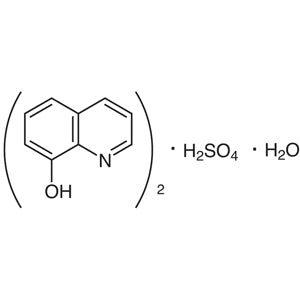
- TCI Q0017 134-31-6 8-Quinolinol Sulfate Monohydrate
- TCI A2528 2627-69-2 5-Aminoimidazole-4-carboxamide 1-beta-D-Ribofuranoside
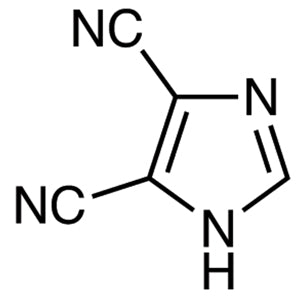
- TCI D2026 1122-28-7 4,5-Dicyanoimidazole
- TCI I1190 58594-72-2 Imazalil Sulfate
- Organic synthesis reactions benefit from 2-Aminoimidazole Sulfate due to its role in forming heterocyclic structures, which are essential in pharmaceutical and material science research.
- Drug development projects utilize this compound as a building block for synthesizing bioactive molecules, contributing to the discovery of new therapeutic agents.
- Material characterization studies incorporate this reagent to create and analyze novel chemical compounds with specific functional properties.
- Educational laboratories use 2-Aminoimidazole Sulfate to teach students about heterocyclic chemistry and its applications in real-world scenarios.
- Industrial research facilities apply this compound in the development of specialty chemicals, leveraging its stability and reactivity for large-scale synthesis processes.
| Brand | TCI |
|---|---|
| CAS number | 1450-93-7 |
| Molecular formula | — |
| Purity | — |
| Category | Chemistry > Building Blocks > Heterocyclic Building Blocks |
| Pack sizes | Available in various quantities as per standard laboratory supply options |
| Physical form | Solid powder |
| Storage | Store in a cool, dry place away from moisture and direct sunlight |
2-Aminoimidazole Sulfate should be stored in a cool, dry environment to maintain its chemical stability. It is recommended to keep the compound in a sealed container to prevent exposure to moisture and air. Suitable storage conditions include a controlled temperature range of 15–25°C, away from sources of heat and direct sunlight. Due to its chemical nature, it should be handled with care, using appropriate personal protective equipment such as gloves and safety goggles. Avoid contact with incompatible materials, and ensure proper ventilation in the laboratory to minimize any potential risks. Regular monitoring of storage conditions is advised to ensure the compound remains in optimal condition for use.
—
Produk Terkait
-
2,4,5,6-TetraaminopyrimidineSulfate TCI T1462
Regular price Rp 1.590.750,00Regular priceRp 1.127.700,00Sale price Rp 1.590.750,00 -
2,4,5-Triamino-6-hydroxypyrimidineSulfate TCI T0335
Regular price Rp 1.563.450,00Regular priceRp 1.108.800,00Sale price Rp 1.563.450,00 -
8-QuinolinolSulfateMonohydrate TCI Q0017
Regular price From Rp 1.113.000,00Regular priceRp 793.800,00Sale price From Rp 1.113.000,00 -
5-Aminoimidazole-4-carboxamide1-beta-D-Ribofuranoside TCI A2528
Regular price Rp 2.597.700,00Regular priceRp 1.832.250,00Sale price Rp 2.597.700,00 -
4,5-Dicyanoimidazole TCI D2026
Regular price From Rp 3.260.250,00Regular priceRp 2.295.300,00Sale price From Rp 3.260.250,00 -
ImazalilSulfate TCI I1190
Regular price From Rp 1.988.700,00Regular priceRp 1.405.950,00Sale price From Rp 1.988.700,00 -
AminoguanidineSulfate TCI A0309
Regular price From Rp 795.900,00Regular priceRp 572.250,00Sale price From Rp 795.900,00 -
AgmatineSulfate TCI A0310
Regular price From Rp 637.350,00Regular priceRp 460.950,00Sale price From Rp 637.350,00