Anthraflavic Acid (84-60-6), also known as TCI A1894, is a chemical compound widely used in laboratory settings for its versatility in organic synthesis. As a non-heterocyclic building block, it plays a crucial role in the development of complex molecular structures and functional compounds. Its ability to participate in various chemical reactions makes it an essential reagent for researchers aiming to create new materials, pharmaceuticals, and industrial chemicals. This compound is particularly valuable in synthetic pathways where controlled reactivity and structural modification are required.
The chemical and physical properties of Anthraflavic Acid make it a preferred choice in laboratory applications. It exhibits stability under a range of reaction conditions and can interact effectively with reagents such as alcohols, acids, and bases. Its molecular structure allows for predictable behavior in substitution and condensation reactions, making it a reliable component in both small-scale and large-scale experiments. The high purity of this compound ensures consistent results, which is vital for accurate scientific research and development.
In Indonesian laboratories, Anthraflavic Acid is commonly used in organic chemistry research, especially in the synthesis of new compounds. It is also a key component in educational settings, where it is used in university and high school chemistry practical courses to teach students about reaction mechanisms and chemical synthesis techniques. Its availability in various packaging sizes further enhances its utility across different experimental needs.
TCI brochures (PDF)
- Building Blocks for Organic Semiconductor 2026-03-24 · p. 9
- Organic synthesis of complex molecules where Anthraflavic Acid serves as a versatile building block for creating new chemical structures.
- Pharmaceutical research applications due to its role in the development of compounds with potential therapeutic properties.
- Industrial chemical production where stable and reactive compounds are required for manufacturing processes.
- Educational use in university and high school chemistry labs to demonstrate reaction mechanisms and synthetic pathways.
- Material science experiments focusing on the creation of advanced polymers and functional materials through chemical modification.
| Brand | TCI |
|---|---|
| CAS number | 84-60-6 |
| Molecular formula | — |
| Purity | — |
| Category | Chemistry > Building Blocks > Non-Heterocyclic Building Blocks |
| Pack sizes | Available in various sizes to suit different experimental needs |
| Physical form | Solid |
| Storage | Store in a cool, dry place away from light and moisture |
Anthraflavic Acid should be stored in a cool, dry environment, away from direct sunlight and moisture. It is recommended to keep the compound in a tightly sealed container to prevent exposure to air and humidity. Due to its chemical nature, it should be handled in a well-ventilated area, and appropriate personal protective equipment such as gloves and safety goggles should be worn. Avoid contact with incompatible substances like strong oxidizing agents. Regular monitoring of storage conditions is advised to maintain the integrity and purity of the compound. Proper labeling of containers is essential to ensure safe handling and prevent accidental exposure.
—
Produk Terkait
-
Anthraquinone TCI A0502
Regular price From Rp 477.750,00Regular priceRp 333.900,00Sale price From Rp 477.750,00 -
2-Bromoanthraquinone TCI B2689
Regular price From Rp 1.140.300,00Regular priceRp 812.700,00Sale price From Rp 1.140.300,00 -
1-Bromoanthraquinone TCI B2688
Regular price From Rp 4.001.550,00Regular priceRp 2.814.000,00Sale price From Rp 4.001.550,00 -
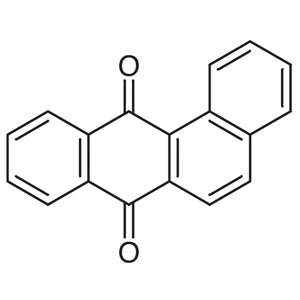
1,2-Benzanthraquinone TCI B0018
Regular price Rp 4.240.950,00Regular priceRp 2.980.950,00Sale price Rp 4.240.950,00 -
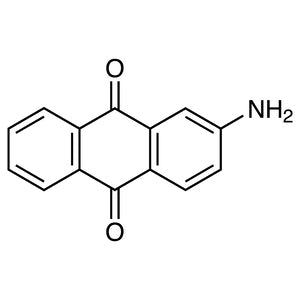
2-Aminoanthracene-9,10-dione TCI A3556
Regular price Rp 3.735.900,00Regular priceRp 2.628.150,00Sale price Rp 3.735.900,00 -
Anthracene-9,10-dicarboxaldehyde TCI A2664
Regular price From Rp 4.081.350,00Regular priceRp 2.853.900,00Sale price From Rp 4.081.350,00 -
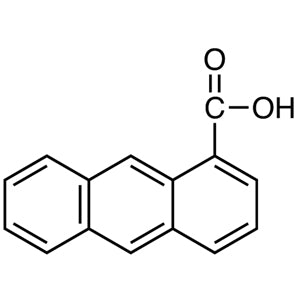
1-AnthracenecarboxylicAcid TCI A1220
Regular price Rp 7.737.450,00Regular priceRp 5.426.400,00Sale price Rp 7.737.450,00 -
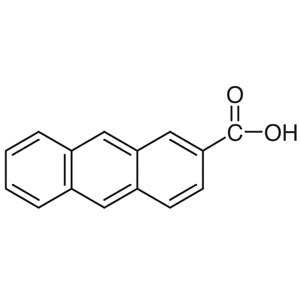
2-AnthracenecarboxylicAcid TCI A1150
Regular price From Rp 5.062.050,00Regular priceRp 3.555.300,00Sale price From Rp 5.062.050,00