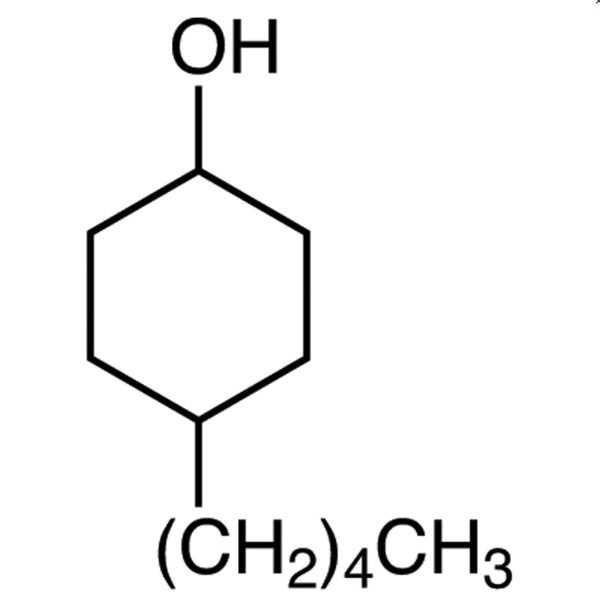
4-Amylcyclohexanol (cis- and trans- mixture), also known as TCI A1926, is a versatile chemical compound widely used in organic synthesis as a building block. This compound is essential in laboratories for creating complex organic molecules due to its unique molecular structure, which includes both an alkyl chain and a cyclohexyl ring. Its reactivity makes it a valuable tool in various chemical reactions, allowing chemists to manipulate molecular structures with precision. In the context of Indonesian laboratories, this compound is frequently utilized in both academic and research settings to develop new compounds with potential applications in pharmaceuticals and materials science.
The compound’s key properties include solubility in organic solvents such as ethyl acetate and ethanol, which facilitates its use in diverse synthetic pathways. Its ability to participate in substitution and reduction reactions enhances its utility in the synthesis of aromatic and heterocyclic compounds. Additionally, its relatively good thermal stability ensures that it remains effective under a range of experimental conditions, making it a reliable choice for laboratory use. These characteristics make 4-Amylcyclohexanol a preferred material for chemists seeking to explore complex molecular transformations.
In Indonesian laboratories, 4-Amylcyclohexanol is commonly used in organic chemistry research, particularly in universities and research institutions. It plays a crucial role in the development of new compounds with potential applications in pharmaceuticals, materials science, and other advanced chemical fields. Its availability and chemical properties make it an essential component in the toolkit of many researchers working on innovative chemical projects.
Related TCI products
- TCI A2315 77866-59-2 trans-4-Amylcyclohexanol
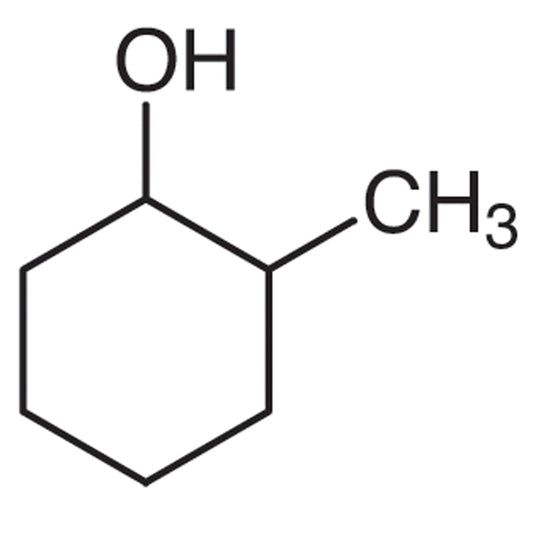
- TCI M0194 583-59-5 2-Methylcyclohexanol (cis- and trans- mixture)
- TCI T2278 118-56-9 3,3,5-Trimethylcyclohexyl Salicylate (cis- and trans- mixture)
- TCI B1930 70568-60-4 4-Butylcyclohexanol (cis- and trans- mixture)
- TCI B0696 6117-91-5 Crotyl Alcohol (cis- and trans- mixture)
- TCI B0383 98-52-2 4-tert-Butylcyclohexanol (cis- and trans- mixture)
- Organic synthesis is a primary application where 4-Amylcyclohexanol is used to construct complex molecules due to its reactivity and structural versatility.
- Pharmaceutical research benefits from this compound as it is used in the development of new drug molecules with specific structural requirements.
- Materials science applications include the synthesis of polymers and other functional materials that require precise molecular design.
- Academic research in chemistry relies on this compound for teaching and experimentation in undergraduate and graduate courses.
- Industrial chemical processes utilize this material for the production of specialty chemicals and intermediates in various manufacturing sectors.
| Brand | TCI |
|---|---|
| CAS number | 54410-90-1 |
| Molecular formula | — |
| Purity | — |
| Category | Chemistry > Building Blocks > Non-Heterocyclic Building Blocks |
| Pack sizes | Available in various quantities as per supplier specifications |
| Physical form | Liquid |
| Storage | Store in a cool, dry place away from direct sunlight |
4-Amylcyclohexanol should be stored in a cool, dry place, away from direct sunlight and sources of heat. It is recommended to use sealed containers made of glass or high-density polyethylene to prevent evaporation and contamination. Due to its chemical nature, it should be handled in a well-ventilated area, and appropriate personal protective equipment such as gloves and safety goggles should be worn. Avoid contact with skin and eyes, and ensure that spillage is promptly cleaned up using appropriate safety procedures. This compound is not classified as hazardous under standard laboratory conditions, but standard chemical handling protocols should always be followed to ensure safety and compliance with laboratory regulations.
—
Produk Terkait
-
trans-4-Amylcyclohexanol TCI A2315
Regular price Rp 4.479.300,00Regular price -
2-Methylcyclohexanol(cis-andtrans-mixture) TCI M0194
Regular price From Rp 505.050,00Regular price -
3,3,5-TrimethylcyclohexylSalicylate(cis-andtrans-mixture) TCI T2278
Regular price From Rp 664.650,00Regular price -
4-Butylcyclohexanol(cis-andtrans-mixture) TCI B1930
Regular price From Rp 3.446.100,00Regular price -
CrotylAlcohol(cis-andtrans-mixture) TCI B0696
Regular price Rp 1.776.600,00Regular price -
4-tert-Butylcyclohexanol(cis-andtrans-mixture) TCI B0383
Regular price From Rp 795.900,00Regular price -
4-Acetamidocyclohexanol(cis-andtrans-mixture) TCI A1617
Regular price Rp 1.538.250,00Regular price -
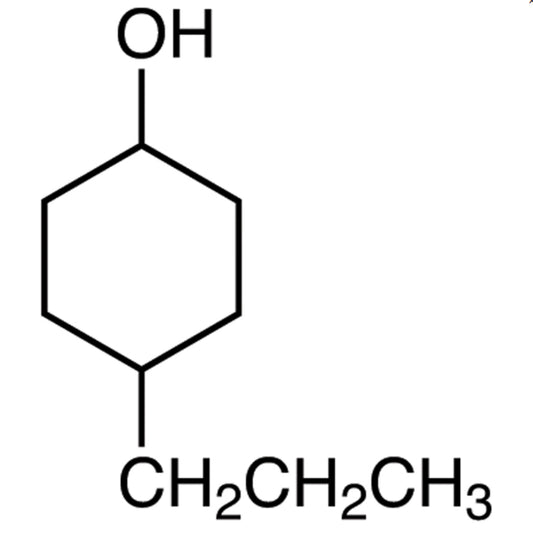
4-Propylcyclohexanol(cis-andtrans-mixture) TCI P1874
Regular price From Rp 795.900,00Regular price