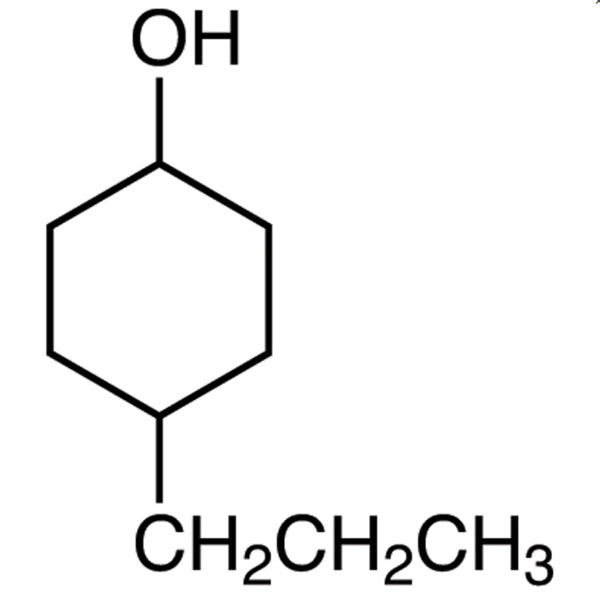
4-Propylcyclohexanol (cis- and trans- mixture) is a chemical compound widely used as a building block in various laboratory applications. It serves as a foundational material in organic synthesis, providing a versatile platform for the creation of complex molecules. This compound is particularly valuable in the development of both heterocyclic and non-heterocyclic structures, making it an essential component in synthetic chemistry. Its unique structural features, including the propyl group attached to the cyclohexanol ring, enable it to participate in a range of chemical reactions, enhancing its utility in research settings.
The compound’s chemical stability and reactivity make it a preferred choice for laboratory use. It is capable of undergoing substitution, oxidation, and reduction reactions, which are fundamental in the synthesis of a wide array of organic compounds. Its non-heterocyclic nature ensures that it is suitable for applications where the absence of nitrogen, oxygen, or sulfur atoms is required. The availability of the compound in a cis- and trans- mixture adds to its versatility, allowing researchers to tailor their synthetic approaches to specific needs.
In Indonesian laboratories, 4-Propylcyclohexanol is extensively used in organic chemistry research. It plays a key role in the development of new compounds with applications in pharmaceuticals, materials science, and industrial chemistry. Its availability and cost-effective nature make it a popular choice among researchers, supporting a wide range of experimental and developmental projects.
Related TCI products
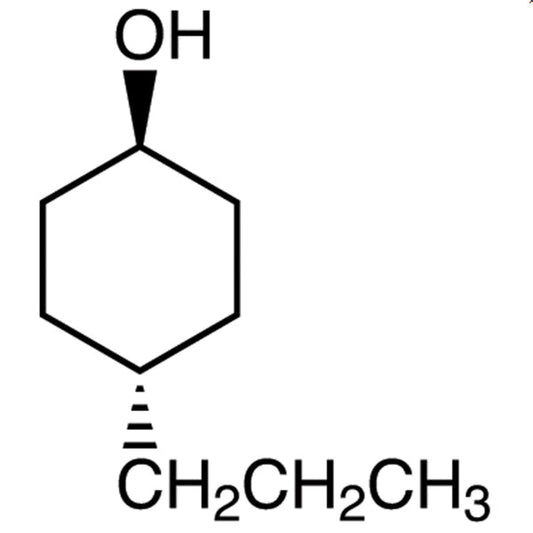
- TCI P1882 77866-58-1 trans-4-Propylcyclohexanol
- TCI P0770 90676-25-8 2-Propylcyclohexanol (cis- and trans- mixture)
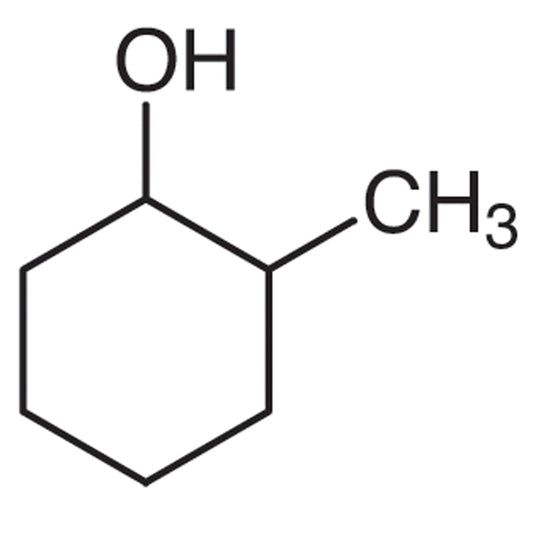
- TCI M0194 583-59-5 2-Methylcyclohexanol (cis- and trans- mixture)
- TCI T2278 118-56-9 3,3,5-Trimethylcyclohexyl Salicylate (cis- and trans- mixture)
- TCI B1930 70568-60-4 4-Butylcyclohexanol (cis- and trans- mixture)
- TCI B0696 6117-91-5 Crotyl Alcohol (cis- and trans- mixture)
- Organic synthesis is a primary application where 4-Propylcyclohexanol is used to build complex molecular structures due to its stable and reactive nature.
- Pharmaceutical research benefits from this compound as it can be used in the development of new drug molecules with specific structural requirements.
- Material science applications leverage its chemical properties to create advanced polymers and functional materials with tailored characteristics.
- Industrial chemistry projects utilize it as a starting material for the production of various chemical products and intermediates.
- Chemical education and training programs incorporate it as a key reagent for teaching fundamental concepts in organic chemistry and reaction mechanisms.
| Brand | TCI |
|---|---|
| CAS number | 52204-65-6 |
| Molecular formula | — |
| Purity | — |
| Category | Chemistry > Building Blocks > Non-Heterocyclic Building Blocks |
| Pack sizes | Available in various quantities as per supplier specifications |
| Physical form | Liquid |
| Storage | Store in a cool, dry place away from direct sunlight and incompatible materials |
4-Propylcyclohexanol should be stored in a cool, dry environment to maintain its chemical stability and prevent degradation. It is recommended to use airtight containers made of glass or polyethylene to minimize exposure to air and moisture. The compound should be kept away from strong oxidizing agents and incompatible substances to ensure safety. In laboratory settings, proper ventilation is essential when handling this material to avoid inhalation of vapors. Always use appropriate personal protective equipment, such as gloves and safety goggles, to protect against potential skin or eye contact. Regular monitoring of storage conditions is advised to maintain the integrity and usability of the compound in research applications.
—
Produk Terkait
-
trans-4-Propylcyclohexanol TCI P1882
Regular price Rp 2.862.300,00Regular priceRp 2.017.050,00Sale price Rp 2.862.300,00 -
2-Propylcyclohexanol(cis-andtrans-mixture) TCI P0770
Regular price From Rp 1.033.200,00Regular priceRp 738.150,00Sale price From Rp 1.033.200,00 -
2-Methylcyclohexanol(cis-andtrans-mixture) TCI M0194
Regular price From Rp 505.050,00Regular priceRp 352.800,00Sale price From Rp 505.050,00 -
3,3,5-TrimethylcyclohexylSalicylate(cis-andtrans-mixture) TCI T2278
Regular price From Rp 664.650,00Regular priceRp 464.100,00Sale price From Rp 664.650,00 -
4-Butylcyclohexanol(cis-andtrans-mixture) TCI B1930
Regular price From Rp 3.498.600,00Regular priceRp 2.462.250,00Sale price From Rp 3.498.600,00 -
CrotylAlcohol(cis-andtrans-mixture) TCI B0696
Regular price Rp 1.776.600,00Regular priceRp 1.242.150,00Sale price Rp 1.776.600,00 -
4-tert-Butylcyclohexanol(cis-andtrans-mixture) TCI B0383
Regular price From Rp 848.400,00Regular priceRp 609.000,00Sale price From Rp 848.400,00 -
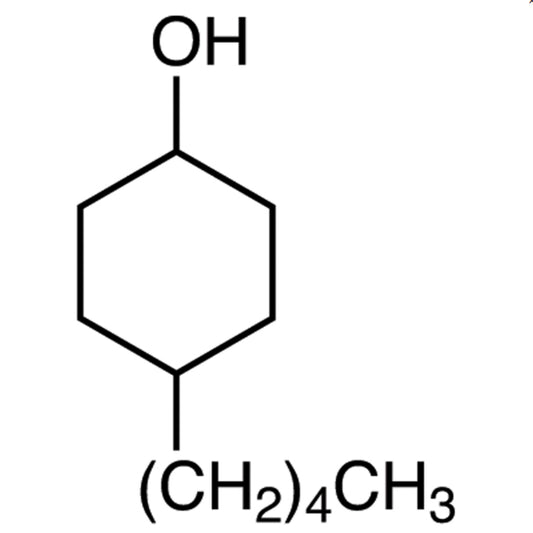
4-Amylcyclohexanol(cis-andtrans-mixture) TCI A1926
Regular price From Rp 1.033.200,00Regular priceRp 738.150,00Sale price From Rp 1.033.200,00