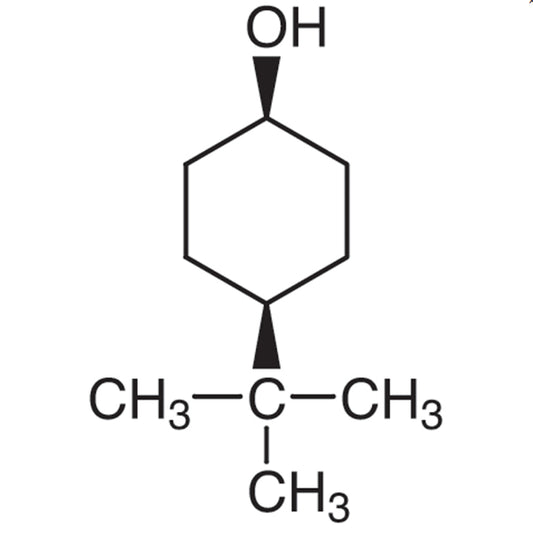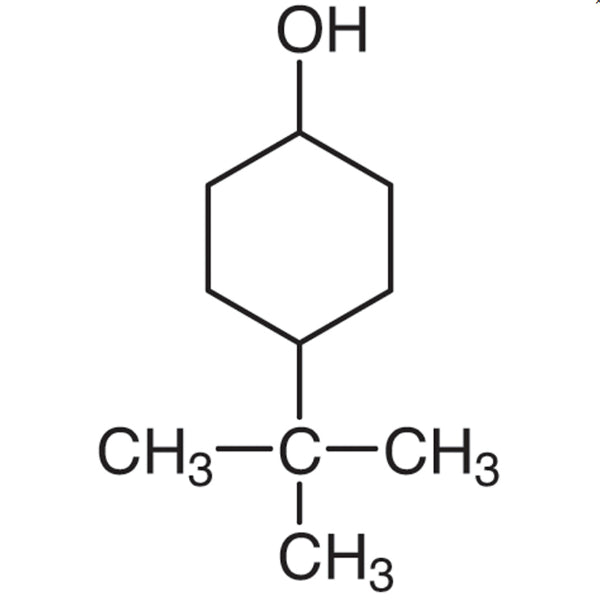
4-tert-Butylcyclohexanol is a chemical compound widely used in organic synthesis as a building block for creating complex molecular structures. This compound is part of a mixture containing both cis- and trans-isomers, which allows for structural versatility in chemical reactions. Its unique reactivity makes it a valuable tool in laboratories where precision and control over molecular architecture are essential. As a cyclohexanol derivative with a tert-butyl group at the fourth position, it plays a key role in various synthetic pathways.
The compound's chemical properties, including its stability under certain conditions and reactivity with acids, bases, and oxidizing agents, make it a preferred choice for chemists. Its molecular structure contributes to distinct boiling points and solubility characteristics, enabling it to be used in a wide range of reaction conditions. These properties allow it to be integrated into both research and educational settings, supporting the development of new compounds and the teaching of organic chemistry principles.
In Indonesian laboratories, 4-tert-Butylcyclohexanol is commonly used in organic chemistry research, particularly in the synthesis of complex molecules and the modification of molecular structures. It is also utilized in academic settings to demonstrate key chemical reactions and to train students in laboratory techniques. Its availability and chemical versatility make it an essential component in both industrial and academic chemical processes.
Related TCI products
- TCI B1930 70568-60-4 4-Butylcyclohexanol (cis- and trans- mixture)
- TCI B1271 21862-63-5 trans-4-tert-Butylcyclohexanol
- TCI B1270 937-05-3 cis-4-tert-Butylcyclohexanol
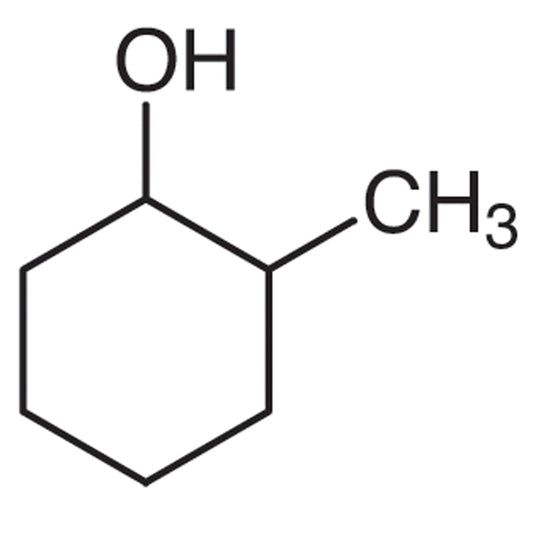
- TCI M0194 583-59-5 2-Methylcyclohexanol (cis- and trans- mixture)
- TCI T2278 118-56-9 3,3,5-Trimethylcyclohexyl Salicylate (cis- and trans- mixture)
- TCI B0696 6117-91-5 Crotyl Alcohol (cis- and trans- mixture)
- Organic synthesis applications benefit from its structural versatility, allowing for the creation of complex molecules with controlled stereochemistry.
- It is ideal for substitution and oxidation reactions due to its reactivity with various reagents, making it suitable for synthetic pathways.
- In educational settings, it is used to demonstrate reaction mechanisms and the importance of isomerism in organic chemistry.
- It supports the development of new compounds by providing a stable and reactive starting material for further modifications.
- Its unique physical properties make it a valuable reagent in analytical chemistry for studying molecular behavior under different conditions.
| Brand | TCI |
|---|---|
| CAS number | 98-52-2 |
| Molecular formula | — |
| Purity | — |
| Category | Chemistry > Building Blocks > Non-Heterocyclic Building Blocks |
| Pack sizes | Available in various quantities as per standard laboratory supply |
| Physical form | Liquid |
| Storage | Store in a cool, dry place away from direct sunlight and incompatible materials |
This compound should be stored in a cool, dry environment, away from direct sunlight and sources of heat. It is recommended to use sealed containers made of materials compatible with organic solvents to prevent evaporation and contamination. Due to its reactivity with acids, bases, and oxidizing agents, it should be handled with appropriate personal protective equipment, including gloves and safety goggles. Proper ventilation is essential when working with this material to minimize exposure. In laboratory settings, it should be stored separately from incompatible substances to ensure safety and maintain its chemical integrity.
—
Produk Terkait
-
4-Butylcyclohexanol(cis-andtrans-mixture) TCI B1930
Regular price From Rp 3.446.100,00Regular price -
trans-4-tert-Butylcyclohexanol TCI B1271
Regular price From Rp 4.718.700,00Regular price -
cis-4-tert-Butylcyclohexanol TCI B1270
Regular price From Rp 5.194.350,00Regular price -
2-Methylcyclohexanol(cis-andtrans-mixture) TCI M0194
Regular price From Rp 505.050,00Regular price -
3,3,5-TrimethylcyclohexylSalicylate(cis-andtrans-mixture) TCI T2278
Regular price From Rp 664.650,00Regular price -
CrotylAlcohol(cis-andtrans-mixture) TCI B0696
Regular price Rp 1.776.600,00Regular price -
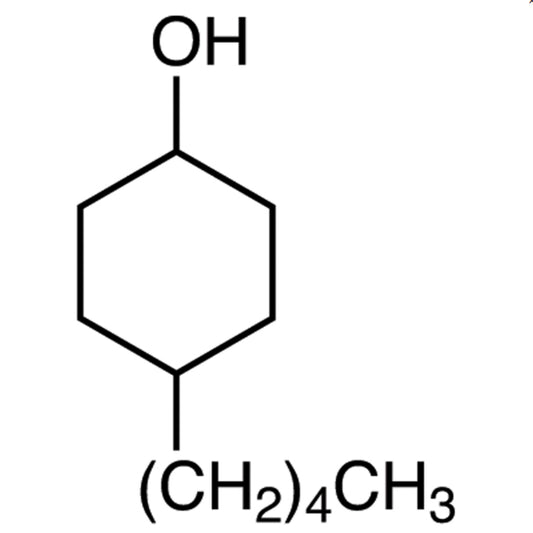
4-Amylcyclohexanol(cis-andtrans-mixture) TCI A1926
Regular price From Rp 980.700,00Regular price -
4-Acetamidocyclohexanol(cis-andtrans-mixture) TCI A1617
Regular price Rp 1.538.250,00Regular price