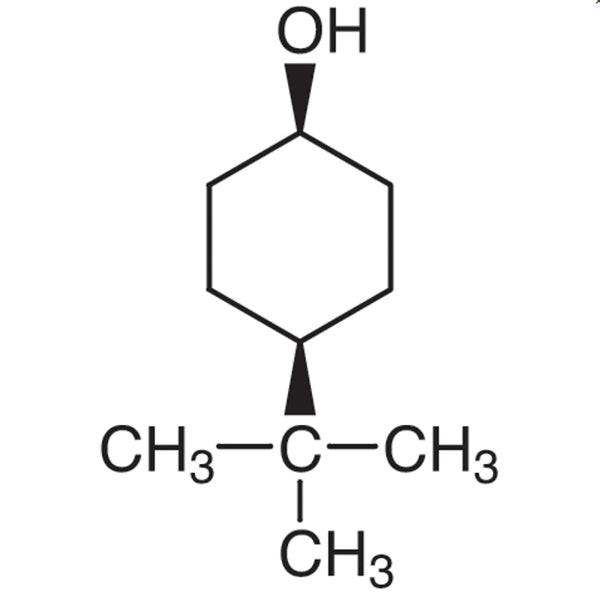
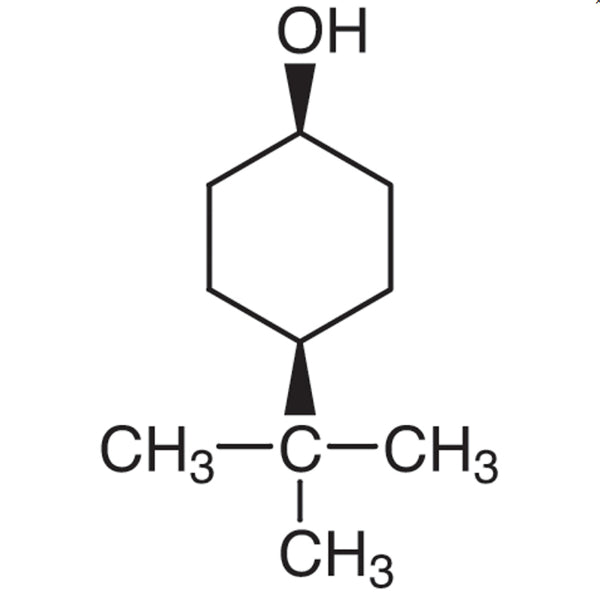
cis-4-tert-Butylcyclohexanol is a chemical compound widely used as a building block in organic synthesis. It serves as a fundamental component in the creation of complex molecular structures, particularly in laboratory settings where precise chemical reactions are required. This compound is commonly utilized in reactions that involve the formation of cyclic structures, making it an essential tool for chemists working on synthetic pathways. Its role in organic chemistry is critical, especially in the development of new compounds with specific functional groups and structural characteristics.
The compound is valued for its stable chemical properties and controlled reactivity, which make it a preferred choice for various experimental applications. Its non-polar nature and limited solubility allow for controlled reaction environments, enabling chemists to manipulate chemical processes with greater precision. These characteristics ensure that it remains a reliable and predictable reagent in both academic and industrial research. Additionally, its non-toxic profile and ease of handling contribute to its safety in laboratory environments, making it a practical option for routine use.
In Indonesian laboratories, cis-4-tert-Butylcyclohexanol is frequently employed in organic chemistry research, particularly in the synthesis of complex molecules and pharmaceutical development. It is a common reagent in academic institutions and research centers across the country, supporting a wide range of chemical investigations. Its availability and reliability make it a standard component in many laboratory workflows, especially in projects involving cyclic structure formation and functional group manipulation.
Related TCI products
- TCI B1930 70568-60-4 4-Butylcyclohexanol (cis- and trans- mixture)
- TCI B1271 21862-63-5 trans-4-tert-Butylcyclohexanol
- TCI B0383 98-52-2 4-tert-Butylcyclohexanol (cis- and trans- mixture)
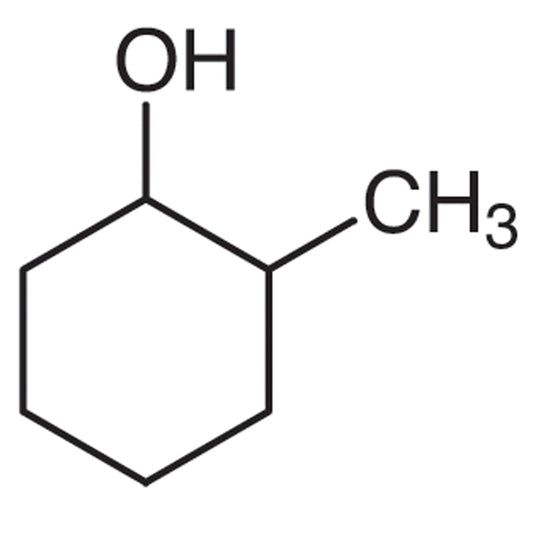
- TCI M0194 583-59-5 2-Methylcyclohexanol (cis- and trans- mixture)
- TCI P1174 2362-61-0 trans-2-Phenyl-1-cyclohexanol
- TCI M0354 7731-29-5 trans-4-Methylcyclohexanol
- Organic synthesis of complex molecules where cyclic structures are required, due to its stable and predictable chemical behavior.
- Pharmaceutical development processes involving the creation of compounds with specific functional groups and structural features.
- Research in chemical engineering where controlled reactivity and non-polar properties are essential for reaction optimization.
- Academic teaching and experimental work in chemistry departments focusing on building block chemistry and reaction mechanisms.
- Industrial applications in the production of specialty chemicals requiring precise molecular construction and controlled reaction conditions.
| Brand | TCI |
|---|---|
| CAS number | 937-05-3 |
| Molecular formula | — |
| Purity | — |
| Category | Chemistry > Building Blocks > Non-Heterocyclic Building Blocks |
| Pack sizes | Available in various quantities as per standard laboratory supply specifications |
| Physical form | Liquid |
| Storage | Store in a cool, dry place away from direct sunlight and incompatible materials |
cis-4-tert-Butylcyclohexanol should be stored in a cool, dry environment to maintain its chemical stability. It is recommended to keep it in a sealed container to prevent exposure to air and moisture. Due to its non-polar nature, it is best stored in glass or polyethylene containers that are resistant to chemical degradation. Laboratory personnel should handle the compound with care, using appropriate personal protective equipment such as gloves and goggles. It is important to ensure that storage areas are well-ventilated and free from sources of ignition. Regular inspection of storage conditions is advised to maintain the integrity and safety of the compound in the laboratory setting.
—
Produk Terkait
-
4-Butylcyclohexanol(cis-andtrans-mixture) TCI B1930
Regular price From Rp 3.446.100,00Regular price -
trans-4-tert-Butylcyclohexanol TCI B1271
Regular price From Rp 4.718.700,00Regular price -
4-tert-Butylcyclohexanol(cis-andtrans-mixture) TCI B0383
Regular price From Rp 795.900,00Regular price -
2-Methylcyclohexanol(cis-andtrans-mixture) TCI M0194
Regular price From Rp 505.050,00Regular price -
trans-2-Phenyl-1-cyclohexanol TCI P1174
Regular price From Rp 2.411.850,00Regular price -
trans-4-Methylcyclohexanol TCI M0354
Regular price Rp 2.359.350,00Regular price -
cis-4-Methylcyclohexanol TCI M0353
Regular price From Rp 928.200,00Regular price -
trans-2-Methylcyclohexanol TCI M0352
Regular price Rp 4.108.650,00Regular price