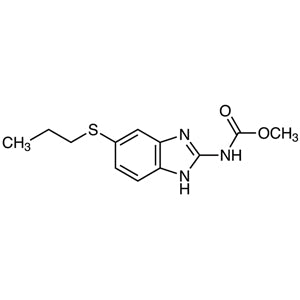
Albendazole is a chemical compound widely used in chemical and pharmacological research. As a heterocyclic compound, it possesses a complex molecular structure that enables its application in the synthesis of bioactive compounds. This material is commonly found in laboratories conducting antiparasitic drug research due to its ability to inhibit the growth of parasites such as worms. In the context of research, Albendazole serves as a key building block for the development of new compounds with pharmacological activity.
Albendazole is chemically stable and can participate in various chemical reactions, including substitution and coupling reactions. Its heterocyclic structure allows it to interact with different reagents under specific conditions, making it versatile for synthetic applications. The availability in solid form and its solubility in organic solvents make it a practical choice for laboratory research. Additionally, its clear chemical identity and high purity ensure reliability in scientific experiments.
In Indonesian laboratories, Albendazole is frequently used in pharmaceutical research, particularly in the development of antiparasitic drugs. It is also employed in academic and industrial settings where the synthesis of bioactive compounds is required. Its stability and reactivity make it a valuable tool for chemists and pharmacologists working on drug discovery and chemical synthesis projects.
TCI brochures (PDF)
- Antimicrobials and Antitumor Agents for Research and Experimental Use 2025-04-24 · p. 10
- Pharmaceutical Ingredients for Research and Experimental Use 2026-03-09 · p. 10
- Antiparasitic Drug Development: Albendazole is used to synthesize compounds that target parasitic infections, making it essential for pharmaceutical research.
- Bioactive Compound Synthesis: Its heterocyclic structure allows it to be a building block in the creation of new pharmacologically active substances.
- Organic Chemistry Research: Albendazole's solubility in organic solvents and chemical stability make it a preferred reagent for various synthetic reactions.
- Drug Discovery Projects: It is commonly utilized in laboratories exploring new therapeutic agents with potential antiparasitic properties.
- Academic Research in Pharmacology: Albendazole is a standard compound used in studies related to drug mechanisms and biological activity.
| Brand | TCI |
|---|---|
| CAS number | 54965-21-8 |
| Molecular formula | — |
| Purity | — |
| Category | Chemistry > Building Blocks > Heterocyclic Building Blocks |
| Pack sizes | Available in various quantities as per supplier |
| Physical form | Solid |
| Storage | Store in a cool, dry place away from light |
Albendazole should be stored in a cool, dry environment away from direct sunlight to maintain its chemical stability. It is recommended to keep it in a sealed container to prevent moisture absorption and contamination. Due to its solid form, it is best stored in airtight glass or plastic containers. Laboratory personnel should handle it with care, using appropriate personal protective equipment when necessary. While it is not classified as hazardous under standard conditions, it is important to follow general laboratory safety protocols to ensure safe handling and storage. Proper labeling of containers is essential to prevent mix-ups and ensure safe access during experiments.
—
Product Categories
- Biochemicals and ReagentsAntibioticsAntibiotics (Chemical Structure Class)
- Biochemicals and ReagentsAntibioticsAntibiotics (by Application)
- Biochemicals and ReagentsPharmaceutical Research Reagents (for Experimental Use)Antiparasitic Ingredients, Antiprotozoal Ingredients, Antihelminthic Ingredients (for Research and Experimental Use)
- Biochemicals and Reagents
- MicrobiologyAntibioticsAntibiotics (Chemical Structure Class)
- MicrobiologyAntibioticsAntibiotics (by Application)
- Pharmaceutical Development and Drug Discovery ResearchPharmaceutical Research Reagents (for Experimental Use)Antiparasitic Ingredients, Antiprotozoal Ingredients, Antihelminthic Ingredients (for Research and Experimental Use)
- Pharmaceutical Development and Drug Discovery ResearchAntibioticsAntibiotics (Chemical Structure Class)
- Pharmaceutical Development and Drug Discovery ResearchAntibioticsAntibiotics (by Application)
Produk Terkait
-
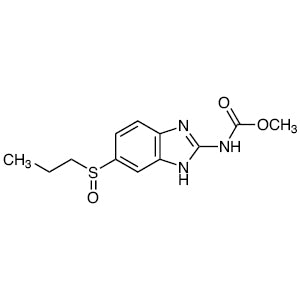
AlbendazoleSulfoxide TCI A3316
Regular price From Rp 1.060.500,00Regular price -
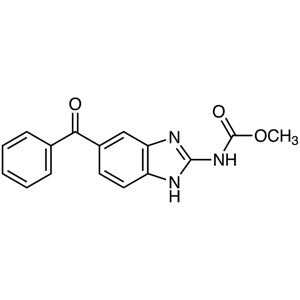
Mebendazole TCI M2273
Regular price From Rp 769.650,00Regular price -
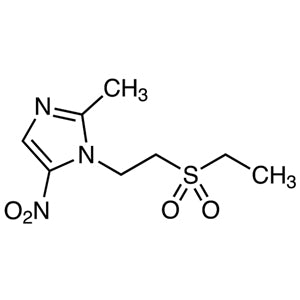
Tinidazole TCI T3058
Regular price From Rp 743.400,00Regular price -
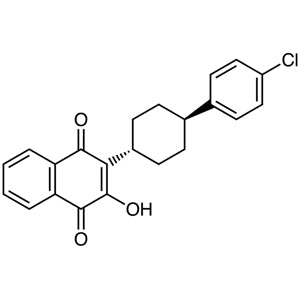
Atovaquone TCI A2545
Regular price From Rp 1.936.200,00Regular price -
Artemether TCI A2190
Regular price From Rp 1.749.300,00Regular price -
2-Acetamido-5-nitrothiazole TCI A0689
Regular price From Rp 1.060.500,00Regular price -
PentamidineIsethionate TCI P3098
Regular price Rp 3.630.900,00Regular price -
ParomomycinSulfate TCI P2092
Regular price From Rp 1.035.300,00Regular price