5-Amino-2-benzimidazolinone is a chemical compound widely used as a building block in the synthesis of heterocyclic compounds. This versatile reagent plays a crucial role in organic chemistry laboratories, where it is employed to construct complex molecular structures, particularly those containing benzimidazole frameworks. Its unique chemical structure allows it to participate in various reaction mechanisms, making it an essential component in the development of new pharmaceuticals and specialized chemical products. As a fundamental intermediate, it supports the creation of compounds with diverse biological and chemical properties.
The compound is valued for its chemical stability and reactivity. It exhibits good solubility in common organic solvents, which facilitates its use in a wide range of synthetic procedures. Its ability to undergo substitution and cyclization reactions makes it highly suitable for applications requiring precise molecular manipulation. Additionally, its compatibility with various reagents and reaction conditions ensures reliable results in laboratory settings. These properties make it a preferred choice for chemists working on complex synthetic pathways.
In Indonesian laboratories, 5-Amino-2-benzimidazolinone is commonly used in pharmaceutical and organic chemistry research. It is frequently employed in the development of new compounds with specific biological activities, such as potential drug candidates. Its availability and reliability make it a popular choice among researchers aiming to advance their studies in heterocyclic chemistry. Its role in scientific innovation is significant, supporting both academic and industrial research efforts.
- Pharmaceutical research utilizes 5-Amino-2-benzimidazolinone for synthesizing compounds with potential therapeutic applications due to its ability to form complex heterocyclic structures.
- Organic chemistry experiments benefit from this compound as it serves as a versatile building block for creating diverse molecular frameworks through substitution and cyclization reactions.
- Drug discovery projects rely on this reagent to develop new molecules with specific biological activities, leveraging its reactivity and structural adaptability.
- Academic research in heterocyclic chemistry employs this compound to explore novel synthetic pathways and understand reaction mechanisms in depth.
- Industrial chemical synthesis processes use this compound to produce specialized intermediates for a variety of applications, including pharmaceuticals and agrochemicals.
| Brand | TCI |
|---|---|
| CAS number | 95-23-8 |
| Molecular formula | — |
| Purity | — |
| Category | Chemistry > Building Blocks > Heterocyclic Building Blocks |
| Pack sizes | Available in standard laboratory quantities as per supplier specifications |
| Physical form | Solid, typically in crystalline or powder form |
| Storage | Store in a cool, dry place away from light and moisture |
This compound should be stored in a cool, dry environment, away from direct light and moisture to maintain its chemical integrity. It is recommended to use airtight containers made of glass or high-density polyethylene to prevent contamination and moisture absorption. Due to its reactivity, it should be handled in a well-ventilated laboratory setting, with appropriate personal protective equipment such as gloves and safety goggles. Avoid exposure to incompatible substances, and ensure proper disposal according to local regulations. Regular monitoring of storage conditions is advised to ensure the compound remains stable and suitable for use in chemical synthesis processes.
—
Produk Terkait
-
5-(Acetoacetamido)-2-benzimidazolinone TCI A1949
Regular price From Rp 795.900,00Regular priceRp 572.250,00Sale price From Rp 795.900,00 -
5,6-Diaminobenzimidazolinone TCI D4533
Regular price From Rp 2.942.100,00Regular priceRp 2.072.700,00Sale price From Rp 2.942.100,00 -
3-Indazolinone TCI I0929
Regular price Rp 1.405.950,00Regular priceRp 998.550,00Sale price Rp 1.405.950,00 -
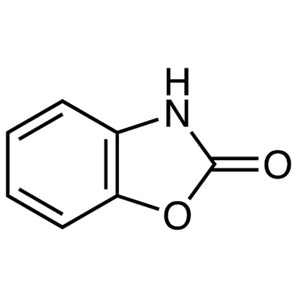
2-Benzoxazolinone TCI B0506
Regular price Rp 1.378.650,00Regular priceRp 979.650,00Sale price Rp 1.378.650,00 -
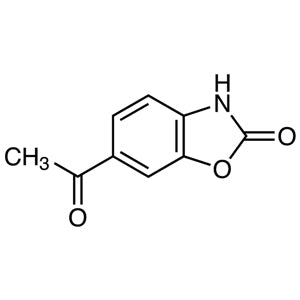
6-Acetyl-2-benzoxazolinone TCI A2907
Regular price From Rp 1.272.600,00Regular priceRp 905.100,00Sale price From Rp 1.272.600,00 -
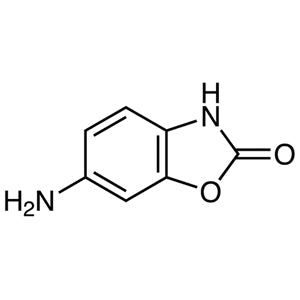
6-Amino-2-benzoxazolinone TCI A2874
Regular price Rp 2.757.300,00Regular priceRp 1.943.550,00Sale price Rp 2.757.300,00 -
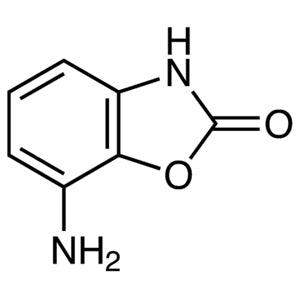
7-Amino-2-benzoxazolinone TCI A2806
Regular price From Rp 1.246.350,00Regular priceRp 887.250,00Sale price From Rp 1.246.350,00 -
2-Propyl-2-imidazoline TCI P1164
Regular price Rp 4.954.950,00Regular priceRp 3.480.750,00Sale price Rp 4.954.950,00