2-Acetyl-6-methoxynaphthalene is a chemical compound widely used in organic reactions for the synthesis of complex molecules. It serves as a fundamental building block in both academic and industrial chemical research. This compound is essential for the development of heterocyclic, aromatic, and structurally complex compounds due to its reactivity and versatility. In the laboratory, it functions as a key reagent in various synthetic pathways, enabling the modification of molecular structures with precision. Its presence in research settings underscores its importance in the advancement of chemical science.
The compound's unique structure, featuring a naphthalene core with acetyl and methoxy substituents, contributes to its reactivity and stability. These properties make it a preferred choice for chemists seeking to explore new synthetic routes or functionalize existing molecules. The stability of its naphthalene framework, combined with the reactivity of its substituents, allows for a wide range of chemical transformations. This makes it particularly valuable in reactions such as Friedel-Crafts acylations, acyl substitutions, and other organic transformations where controlled reactivity is essential.
In Indonesian laboratories, 2-Acetyl-6-methoxynaphthalene is commonly used in organic chemistry research, especially in academic institutions and research centers. Its availability in various packaging sizes facilitates both small-scale experiments and larger-scale investigations. Its role in the development of new compounds and the testing of reactivity makes it an essential component of chemical research in Indonesia.
- Organic synthesis is a primary application, as this compound is used to create complex molecules through acylation and substitution reactions.
- Heterocyclic compound development benefits from its reactivity, allowing for the formation of rings with diverse functionalities.
- Aromatic compound modification is supported by its stable naphthalene core, which provides a robust platform for functionalization.
- Structural complexity research utilizes its unique substituents to explore new molecular architectures and reactivity patterns.
- Industrial chemical applications leverage its versatility in creating compounds with specific properties for commercial use.
| Brand | TCI |
|---|---|
| CAS number | 3900-45-6 |
| Molecular formula | — |
| Purity | — |
| Category | Chemistry > Building Blocks > Non-Heterocyclic Building Blocks |
| Pack sizes | Available in various quantities to suit laboratory needs |
| Physical form | Solid |
| Storage | Store in a cool, dry place away from light and moisture |
This compound should be stored in a cool, dry environment, away from direct sunlight and sources of heat. It is recommended to use airtight containers to prevent moisture absorption and maintain its chemical integrity. Due to its reactivity, it should be handled in a well-ventilated area, and appropriate personal protective equipment should be worn when working with it. Avoid contact with incompatible materials such as strong oxidizers. Proper labeling and storage conditions are essential to ensure safety and maintain the compound's effectiveness in laboratory applications.
—
Produk Terkait
-
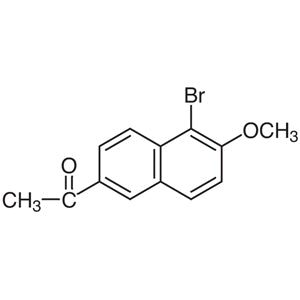
6-Acetyl-1-bromo-2-methoxynaphthalene TCI A1584
Regular price Rp 1.670.550,00Regular priceRp 1.183.350,00Sale price Rp 1.670.550,00 -
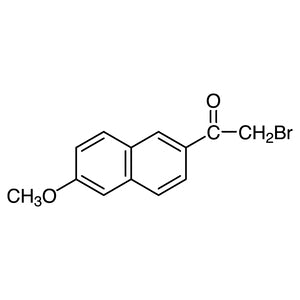
2-(Bromoacetyl)-6-methoxynaphthalene TCI B3496
Regular price From Rp 2.332.050,00Regular priceRp 1.646.400,00Sale price From Rp 2.332.050,00 -
2-(6-Methoxynaphthalen-2-yl)aceticAcid TCI M3326
Regular price Rp 2.227.050,00Regular priceRp 1.572.900,00Sale price Rp 2.227.050,00 -
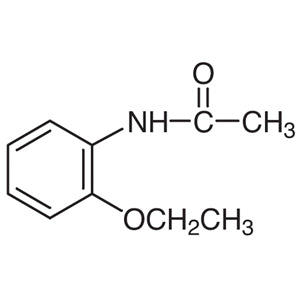
N-Acetyl-o-phenetidine TCI A0103
Regular price Rp 2.677.500,00Regular priceRp 1.887.900,00Sale price Rp 2.677.500,00 -
2-(Benzyloxy)acetylChloride TCI B3665
Regular price From Rp 1.776.600,00Regular priceRp 1.257.900,00Sale price From Rp 1.776.600,00