2-(Bromoacetyl)-6-methoxynaphthalene is a chemical compound widely used as a building block in the synthesis of complex organic molecules. This compound features a naphthalene core modified with bromoacetyl and methoxy groups, making it highly reactive and versatile in chemical reactions. In the laboratory, it serves as a key reagent for constructing more intricate molecular structures, particularly in organic chemistry research. Its unique chemical structure enables it to participate in various types of reactions, including substitution and addition, which are essential for the development of new compounds.
The compound's reactivity and structural versatility make it a preferred choice for chemists seeking to explore new synthetic pathways. The presence of both bromoacetyl and methoxy groups allows for multiple functionalization possibilities, enhancing its utility in diverse chemical applications. Its stability under controlled conditions further supports its use in laboratory settings where precise chemical control is required. These properties make it an essential tool for researchers working on the development of novel materials and pharmaceuticals.
In Indonesian laboratories, 2-(Bromoacetyl)-6-methoxynaphthalene is commonly used in organic chemistry research, particularly in academic institutions and research centers. Its role in synthesizing complex compounds aligns with the growing demand for advanced chemical research in Indonesia. As a fundamental building block, it supports the development of new chemical products and contributes to the advancement of scientific knowledge in the region.
- Organic synthesis research utilizes this compound for constructing complex molecular frameworks due to its reactive bromoacetyl and methoxy groups.
- Pharmaceutical development benefits from its structural versatility, enabling the creation of new drug candidates through functional group modification.
- Material science applications leverage its chemical reactivity to design novel polymers and functional materials with tailored properties.
- Academic teaching laboratories use it as an essential reagent for demonstrating advanced synthetic techniques and reaction mechanisms.
- Industrial research facilities incorporate it into processes requiring high reactivity and structural adaptability for compound development.
| Brand | TCI |
|---|---|
| CAS number | 10262-65-4 |
| Molecular formula | — |
| Purity | — |
| Category | Chemistry > Building Blocks > Non-Heterocyclic Building Blocks |
| Pack sizes | Available in standard laboratory quantities as per supplier specifications |
| Physical form | Solid, crystalline appearance |
| Storage | Store in a cool, dry place away from light and incompatible substances |
This compound should be stored in a cool, dry environment, away from direct sunlight and sources of heat. It is recommended to keep it in a sealed container to prevent moisture absorption and contamination. Due to its reactivity, it should be handled in a well-ventilated area, preferably under a fume hood, to minimize exposure. Avoid contact with incompatible materials such as strong oxidizing agents or strong bases. Always use appropriate personal protective equipment, including gloves and safety goggles, when handling this compound. Proper storage and handling ensure the compound remains stable and safe for use in laboratory applications.
—
Produk Terkait
-
2-Acetyl-6-methoxynaphthalene TCI A2030
Regular price From Rp 1.246.350,00Regular priceRp 887.250,00Sale price From Rp 1.246.350,00 -
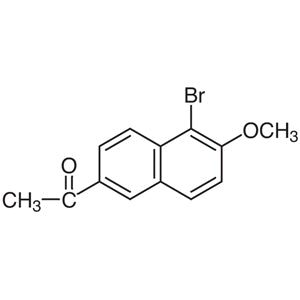
6-Acetyl-1-bromo-2-methoxynaphthalene TCI A1584
Regular price Rp 1.670.550,00Regular priceRp 1.183.350,00Sale price Rp 1.670.550,00 -
2-(6-Methoxynaphthalen-2-yl)aceticAcid TCI M3326
Regular price Rp 2.227.050,00Regular priceRp 1.572.900,00Sale price Rp 2.227.050,00 -
2-Bromo-3-methoxynaphthalene TCI B3403
Regular price From Rp 1.776.600,00Regular priceRp 1.242.150,00Sale price From Rp 1.776.600,00 -
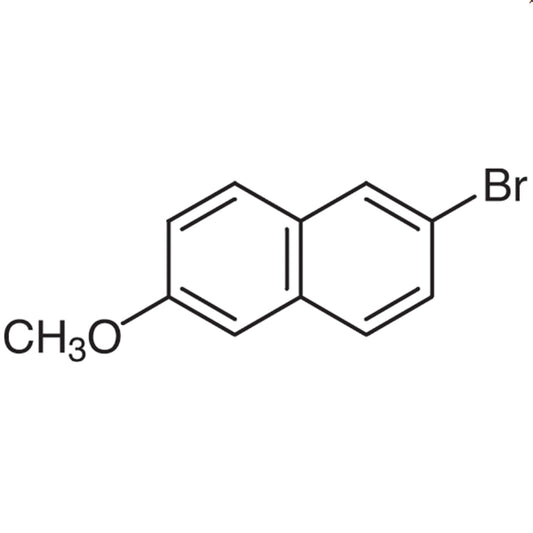
2-Bromo-6-methoxynaphthalene TCI B1547
Regular price From Rp 2.545.200,00Regular priceRp 1.779.750,00Sale price From Rp 2.545.200,00