Bromoacetyl Chloride (TCI B0900), with CAS number 22118-09-8, is a versatile chemical compound widely used in laboratory settings for organic synthesis. It serves as a key reagent in various chemical reactions, particularly in the formation of complex molecular structures. This compound is commonly found in chemical laboratories as a building block for the synthesis of both heterocyclic and non-heterocyclic compounds. Its reactivity makes it a valuable tool for chemists and researchers working on a wide range of synthetic pathways.
One of the main reasons Bromoacetyl Chloride is preferred is its chemical reactivity, driven by the presence of both bromo and chloro groups. These functional groups contribute to its ability to participate in substitution and cross-reaction processes under high reactivity conditions. The compound is typically a liquid and dissolves easily in organic solvents such as ethyl acetate and chloroform. This solubility and reactivity make it a go-to choice for synthetic chemists aiming to achieve efficient and controlled chemical transformations.
In Indonesian laboratories, Bromoacetyl Chloride is extensively used in chemical research, especially in the fields of organic synthesis, pharmacology, and material science. Its availability and consistent quality make it a popular choice for both academic and industrial research. Researchers and students rely on this compound for experiments requiring precise chemical reactions and structural modifications. Its role in advancing scientific discovery is well-recognized in the Indonesian scientific community.
- Organic Synthesis: Bromoacetyl Chloride is widely used in the synthesis of complex organic molecules due to its reactivity and ability to form various functional groups.
- Pharmacological Research: It plays a crucial role in the development of new drugs by enabling the creation of bioactive compounds through chemical modifications.
- Material Science: The compound is utilized in the synthesis of polymers and other materials, offering versatility in creating new material properties.
- Cross-Reacting Processes: Its ability to participate in cross-reactions makes it ideal for creating new molecular structures in synthetic chemistry.
- Structural Modification: It is frequently used to modify existing molecules, allowing for the creation of new compounds with desired properties.
| Brand | TCI |
|---|---|
| CAS number | 22118-09-8 |
| Molecular formula | — |
| Purity | — |
| Category | Chemistry > Building Blocks > Non-Heterocyclic Building Blocks |
| Pack sizes | Available in various sizes as per supplier specifications |
| Physical form | Liquid |
| Storage | Store in a cool, dry place away from moisture and direct sunlight |
Bromoacetyl Chloride should be stored in a cool, dry environment to maintain its chemical stability. It is recommended to keep the compound in a tightly sealed container to prevent exposure to moisture and air. Due to its reactivity, it should be handled with care, using appropriate personal protective equipment such as gloves and safety goggles. It is advisable to store it away from incompatible substances to avoid any potential chemical reactions. In laboratory settings, proper ventilation should be ensured when handling this compound to minimize any inhalation risks. Regular monitoring of storage conditions is essential to ensure the compound remains safe and effective for use in chemical experiments.
—
Produk Terkait
-
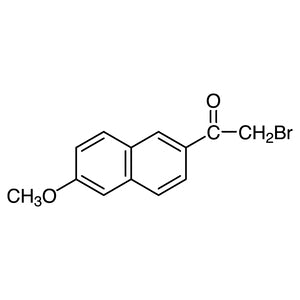
2-(Bromoacetyl)-6-methoxynaphthalene TCI B3496
Regular price From Rp 2.332.050,00Regular priceRp 1.646.400,00Sale price From Rp 2.332.050,00 -
BromoacetylBromide TCI B0539
Regular price From Rp 822.150,00Regular priceRp 590.100,00Sale price From Rp 822.150,00 -
2-Bromoacetylnaphthalene TCI B1259
Regular price From Rp 1.670.550,00Regular priceRp 1.183.350,00Sale price From Rp 1.670.550,00 -
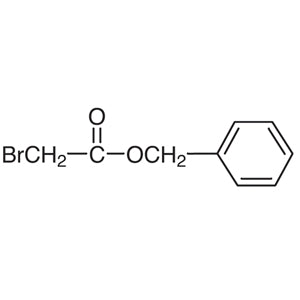
BenzylBromoacetate TCI B1674
Regular price From Rp 769.650,00Regular priceRp 553.350,00Sale price From Rp 769.650,00 -
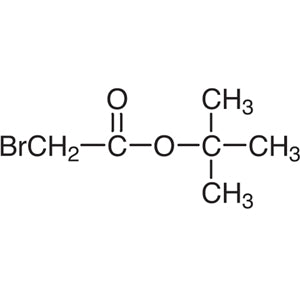
tert-ButylBromoacetate TCI B1473
Regular price From Rp 1.829.100,00Regular priceRp 1.294.650,00Sale price From Rp 1.829.100,00 -
2'-Bromoacetophenone TCI B0538
Regular price From Rp 1.087.800,00Regular priceRp 775.950,00Sale price From Rp 1.087.800,00 -
4'-Bromoacetophenone TCI B0537
Regular price From Rp 822.150,00Regular priceRp 590.100,00Sale price From Rp 822.150,00 -
3'-Bromoacetophenone TCI B0536
Regular price From Rp 557.550,00Regular priceRp 405.300,00Sale price From Rp 557.550,00