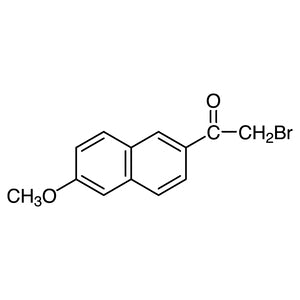
Bromoacetyl Bromide (CAS No. 598-21-0) is a chemical compound widely used as a building block in organic synthesis. It serves as a versatile reagent in laboratory settings, particularly in reactions involving substitution and bond formation. Its simple molecular structure plays a crucial role in the development of complex organic molecules, making it an essential component in the synthesis of heterocyclic compounds and other intricate chemical structures. This compound is highly valued for its reactivity and functional versatility, enabling chemists to create a wide range of derivatives and functional groups.
The reactivity of Bromoacetyl Bromide is primarily attributed to the presence of two bromine atoms in its molecular structure. These bromine groups make the compound highly electrophilic, allowing it to participate in various chemical reactions that require high electronic activation. Its ability to engage in nucleophilic substitution reactions makes it a preferred choice for synthetic chemists. Additionally, the compound exhibits reasonable stability under controlled laboratory conditions, which facilitates its storage and use without significant degradation.
In Indonesian laboratories, Bromoacetyl Bromide is commonly used in academic and research institutions. It is an integral part of chemical synthesis programs aimed at creating new compounds and modifying existing organic structures. Its availability and effectiveness make it a go-to reagent for researchers working on diverse chemical projects, from pharmaceutical development to material science. Its role in laboratory research is indispensable, supporting the advancement of chemical knowledge and innovation.
- Synthesis of Heterocyclic Compounds: Bromoacetyl Bromide is ideal for creating complex ring structures due to its reactivity and ability to form new bonds.
- Organic Compound Modification: It is used to modify existing organic molecules by introducing bromine functionalities, enhancing reactivity and versatility.
- Nucleophilic Substitution Reactions: The compound's electrophilic nature makes it suitable for reactions requiring high electronic activation and substitution mechanisms.
- Pharmaceutical Research: It supports the development of new drugs by enabling the synthesis of bioactive compounds and functional derivatives.
- Material Science Applications: Bromoacetyl Bromide is used in the synthesis of polymers and other materials, contributing to the creation of advanced chemical structures.
| Brand | TCI |
|---|---|
| CAS number | 598-21-0 |
| Molecular formula | — |
| Purity | — |
| Category | Chemistry > Building Blocks > Non-Heterocyclic Building Blocks |
| Pack sizes | Available in various quantities as per standard laboratory supply |
| Physical form | Liquid |
| Storage | Store in a cool, dry place away from light and incompatible materials |
Bromoacetyl Bromide should be stored in a cool, dry environment, away from direct sunlight and sources of heat. It is recommended to keep the compound in a sealed container to prevent exposure to moisture and air. Due to its reactivity, it should be stored separately from incompatible substances such as strong bases and reducing agents. Proper ventilation is essential when handling this compound to minimize inhalation risks. Laboratory personnel should wear appropriate personal protective equipment, including gloves and safety goggles, to ensure safe handling and reduce potential exposure. Regular monitoring of storage conditions is advised to maintain the compound's stability and effectiveness for laboratory use.
—
Produk Terkait
-
2-(Bromoacetyl)-6-methoxynaphthalene TCI B3496
Regular price From Rp 2.332.050,00Regular priceRp 1.646.400,00Sale price From Rp 2.332.050,00 -
BromoacetylChloride TCI B0900
Regular price From Rp 1.988.700,00Regular priceRp 1.405.950,00Sale price From Rp 1.988.700,00 -
2-Bromoacetylnaphthalene TCI B1259
Regular price From Rp 1.670.550,00Regular priceRp 1.183.350,00Sale price From Rp 1.670.550,00 -
AcetylBromide TCI A0080
Regular price From Rp 742.350,00Regular priceRp 534.450,00Sale price From Rp 742.350,00 -
ValerylBromide TCI V0038
Regular price Rp 2.439.150,00Regular priceRp 1.720.950,00Sale price Rp 2.439.150,00 -
3-BromophenacylBromide TCI B4125
Regular price From Rp 1.167.600,00Regular priceRp 831.600,00Sale price From Rp 1.167.600,00 -
2-BromophenacylBromide TCI B4124
Regular price From Rp 1.961.400,00Regular priceRp 1.387.050,00Sale price From Rp 1.961.400,00 -
3-CyanophenacylBromide TCI B4079
Regular price Rp 7.102.200,00Regular priceRp 4.982.250,00Sale price Rp 7.102.200,00