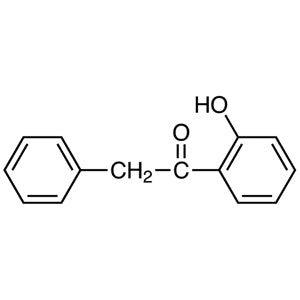
Benzyl Bromoacetate (BCA), with CAS number 5437-45-6, is a versatile chemical compound widely used in organic reactions as a building block or reagent. It plays a crucial role in chemical laboratories, particularly in the synthesis of complex molecules that require substitution or alkylation reactions. As a non-heterocyclic building block, BCA is essential for creating a variety of organic compounds, including both heterocyclic and non-heterocyclic structures. Its ability to provide a bromoacetyl group makes it a valuable reagent in synthetic chemistry, enabling the formation of new compounds through nucleophilic substitution reactions.
The chemical properties of BCA make it a preferred choice for many laboratory applications. It exhibits stability under certain conditions but is highly reactive in the presence of moisture or excessive heat. This reactivity is advantageous in controlled environments where specific chemical transformations are desired. Additionally, BCA has good solubility in organic solvents, which simplifies mixing and reaction processes. These characteristics allow chemists to efficiently carry out a wide range of synthetic procedures with reliable results.
In Indonesian laboratories, BCA is commonly used in chemical research, especially in academic settings. It is a key component in the development of new compounds and the study of reaction mechanisms. Its availability and effectiveness make it an essential tool for researchers working on organic synthesis and related fields. The compound is frequently used in both teaching and research laboratories to support experimental work and educational activities.
- Organic synthesis reactions benefit from BCA's ability to provide a bromoacetyl group for nucleophilic substitution, making it ideal for creating complex molecular structures.
- In alkylation processes, BCA serves as a reactive intermediate that can form new carbon-carbon bonds, supporting the development of diverse organic compounds.
- For substitution reactions, BCA's reactivity allows it to replace functional groups in molecules, enabling the synthesis of targeted chemical products.
- In research and development, BCA is used to explore new synthetic pathways and improve reaction efficiency in laboratory settings.
- Educational laboratories utilize BCA to demonstrate key organic chemistry principles, such as nucleophilic substitution and functional group transformations.
| Brand | TCI |
|---|---|
| CAS number | 5437-45-6 |
| Molecular formula | — |
| Purity | — |
| Category | Chemistry > Building Blocks > Non-Heterocyclic Building Blocks |
| Pack sizes | Available in various quantities as per supplier specifications |
| Physical form | Liquid |
| Storage | Store in a cool, dry place away from moisture and heat |
Benzyl Bromoacetate should be stored in a cool, dry environment to maintain its chemical stability. It is recommended to keep it in a tightly sealed container to prevent exposure to moisture, which can trigger unwanted reactions. Due to its reactivity, it should be handled in a well-ventilated area, and appropriate personal protective equipment should be worn. Avoid contact with heat sources and ensure that storage conditions are consistent to preserve its effectiveness. Proper labeling and storage practices help ensure safety and maintain the integrity of the compound during laboratory use.
—
Produk Terkait
-
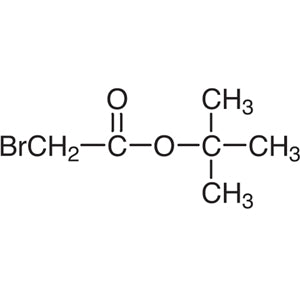
tert-ButylBromoacetate TCI B1473
Regular price From Rp 1.829.100,00Regular priceRp 1.294.650,00Sale price From Rp 1.829.100,00 -
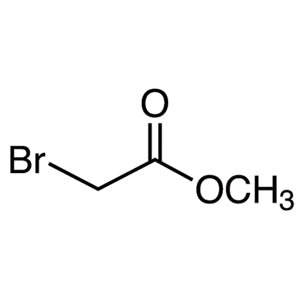
MethylBromoacetate TCI B0533
Regular price From Rp 662.550,00Regular priceRp 478.800,00Sale price From Rp 662.550,00 -
PhenylBromoacetate TCI P1936
Regular price Rp 2.252.250,00Regular priceRp 1.590.750,00Sale price Rp 2.252.250,00 -
BenzylAcetate TCI A0022
Regular price From Rp 505.050,00Regular priceRp 352.800,00Sale price From Rp 505.050,00 -
alpha-(Trichloromethyl)benzylAcetate TCI T3122
Regular price From Rp 795.900,00Regular priceRp 556.500,00Sale price From Rp 795.900,00 -
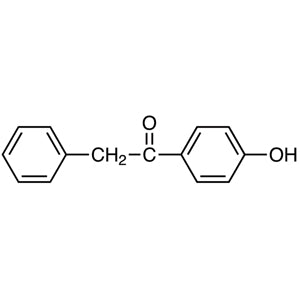
Benzyl4-HydroxyphenylKetone TCI B4722
Regular price From Rp 1.087.800,00Regular priceRp 775.950,00Sale price From Rp 1.087.800,00 -
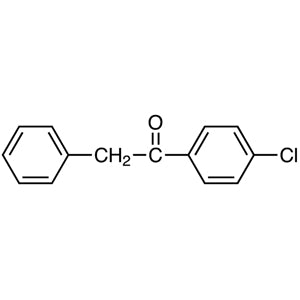
Benzyl4-ChlorophenylKetone TCI B4704
Regular price From Rp 900.900,00Regular priceRp 645.750,00Sale price From Rp 900.900,00 -
Benzyl2-HydroxyphenylKetone TCI B4673
Regular price From Rp 2.147.250,00Regular priceRp 1.517.250,00Sale price From Rp 2.147.250,00