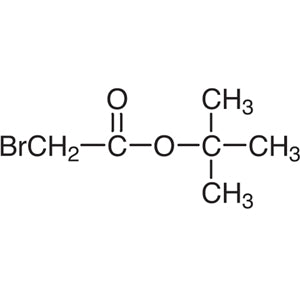
3'-Bromoacetophenone is a chemical compound widely used as a building block in the synthesis of complex organic molecules. It serves as a versatile intermediate in various organic reactions, enabling the construction of more intricate molecular structures. In laboratory settings, this compound plays a crucial role in advancing research in synthetic chemistry, particularly in the development of pharmaceuticals and industrial chemicals. Its reactivity and compatibility with a range of reagents make it an essential tool for chemists working on diverse synthetic pathways.
The compound's unique structure, featuring a bromo group at the 3' position and a ketone group on the phenyl ring, contributes to its effectiveness in nucleophilic substitution and Friedel-Crafts reactions. These properties allow it to participate in a wide array of chemical transformations, making it a preferred choice for researchers aiming to modify molecular frameworks. Its stability under certain conditions also ensures reliable performance during extended experimental periods, enhancing its utility in both academic and industrial laboratories.
In Indonesian laboratories, 3'-Bromoacetophenone is commonly utilized in organic chemistry research, especially by universities and research institutions. It is frequently applied in projects focused on drug development and chemical synthesis. Its availability and reliability make it a go-to compound for scientists seeking to explore new synthetic routes and chemical modifications.
Related TCI products
- Organic synthesis projects benefit from 3'-Bromoacetophenone due to its reactivity and compatibility with various reagents, enabling the creation of complex molecular structures.
- Pharmaceutical research utilizes this compound as a key intermediate in the development of new drugs, supporting the synthesis of bioactive molecules.
- Industrial chemical production incorporates 3'-Bromoacetophenone to manufacture specialty chemicals, leveraging its structural versatility for functional group modifications.
- Educational institutions use it in teaching laboratories to demonstrate nucleophilic substitution and Friedel-Crafts reactions, enhancing students' understanding of organic chemistry principles.
- Research laboratories rely on 3'-Bromoacetophenone for its stability and ease of handling, making it suitable for long-term experiments and repeated use in synthetic protocols.
| Brand | TCI |
|---|---|
| CAS number | 2142-63-4 |
| Molecular formula | — |
| Purity | — |
| Category | Chemistry > Building Blocks > Non-Heterocyclic Building Blocks |
| Pack sizes | Available in various quantities as per supplier specifications |
| Physical form | Liquid or crystalline, depending on the specific product variant |
| Storage | Store in a cool, dry place away from direct sunlight and incompatible materials |
3'-Bromoacetophenone should be stored in a cool, dry environment to maintain its chemical stability and prevent degradation. It is recommended to use airtight containers made of glass or polyethylene to minimize exposure to moisture and air. Due to its reactivity, it should be kept away from strong oxidizing agents and incompatible substances. Proper labeling and safe handling procedures are essential to ensure laboratory safety. Regular monitoring of storage conditions helps maintain the compound's integrity and effectiveness for research applications. Always follow standard laboratory safety protocols when handling this material to prevent any potential hazards.
—
Produk Terkait
-
2'-Bromoacetophenone TCI B0538
Regular price From Rp 1.087.800,00Regular priceRp 775.950,00Sale price From Rp 1.087.800,00 -
4'-Bromoacetophenone TCI B0537
Regular price From Rp 822.150,00Regular priceRp 590.100,00Sale price From Rp 822.150,00 -
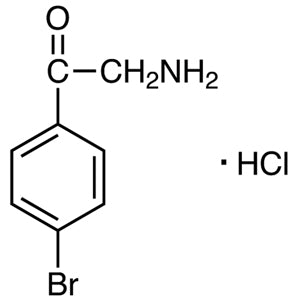
2-Amino-4'-bromoacetophenoneHydrochloride TCI A3030
Regular price From Rp 1.378.650,00Regular priceRp 979.650,00Sale price From Rp 1.378.650,00 -
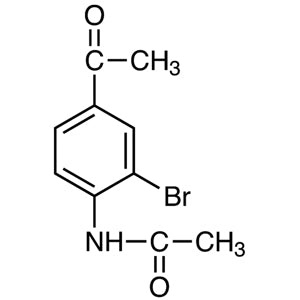
4'-Acetamido-3'-bromoacetophenone TCI A2852
Regular price Rp 1.220.100,00Regular priceRp 868.350,00Sale price Rp 1.220.100,00 -
1,1,3,3-Tetrabromoacetone TCI T1026
Regular price From Rp 2.411.850,00Regular priceRp 1.702.050,00Sale price From Rp 2.411.850,00 -
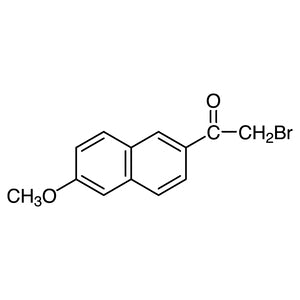
2-(Bromoacetyl)-6-methoxynaphthalene TCI B3496
Regular price From Rp 2.332.050,00Regular priceRp 1.646.400,00Sale price From Rp 2.332.050,00 -
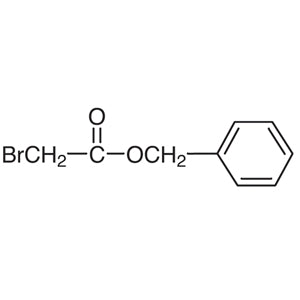
BenzylBromoacetate TCI B1674
Regular price From Rp 769.650,00Regular priceRp 553.350,00Sale price From Rp 769.650,00 -
tert-ButylBromoacetate TCI B1473
Regular price From Rp 1.829.100,00Regular priceRp 1.294.650,00Sale price From Rp 1.829.100,00