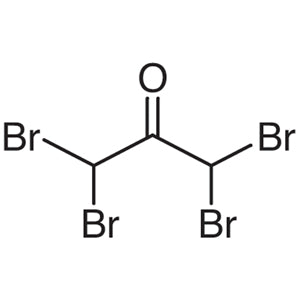
1,1,3,3-Tetrabromoacetone from TCI, catalog code T1026, is a halogenated ketone. Each of the two alpha carbons beside the carbonyl group of acetone carries two bromine atoms. The compound belongs to the non-heterocyclic building block category. In synthetic chemistry it is known as a precursor to oxyallyl cations, which are reactive intermediates used in [4+3] cycloaddition reactions to construct seven-membered rings. In the laboratory it serves as a starting reagent for researchers who need to assemble complex ring systems from simple, well-defined components.
The dense bromine pattern is what makes this compound a preferred choice. It allows an oxyallyl cation to form through reduction with certain metals or metal complexes. That cation then reacts with cyclic dienes such as furan or pyrrole, giving bicyclic frameworks that serve as starting materials for natural products and bioactive compounds. The bromine atoms that remain in the product can be removed or used for further transformations, which gives considerable flexibility when planning a synthetic route. This lets chemists adapt one intermediate to several downstream targets.
For synthetic organic chemistry laboratories in Indonesia, especially groups working on natural product synthesis or cycloaddition methodology, this compound gives practical access to cycloheptanoid frameworks. The 5 g pack suits method exploration and initial route scouting, while the 25 g pack suits projects that need a larger quantity of material. Research groups, university laboratories, and development teams can source it through AMI Scientific as part of their regular reagent procurement.
Related TCI products
- [4+3] cycloaddition studies: the compound is a precursor to oxyallyl cations, which react with dienes to build seven-membered rings, so it suits methodology work on this reaction class.
- Natural product synthesis: reaction with cyclic dienes such as furan or pyrrole gives bicyclic frameworks that can serve as starting materials for natural products and bioactive compounds.
- Cycloheptanoid framework construction: the dense bromine pattern allows cation formation by reduction, giving laboratories practical access to seven-membered carbocyclic skeletons that are otherwise difficult to assemble.
- Stepwise synthetic planning: bromine atoms left in the cycloaddition product can be removed or used in later transformations, giving chemists room to adapt one intermediate to several downstream targets.
- Reaction method exploration: the 5 g pack lets research groups test reducing metals, metal complexes, and diene partners before committing to larger quantities of this halogenated building block.
| Brand | TCI |
|---|---|
| CAS number | 22612-89-1 |
| Molecular formula | — |
| Purity | — |
| Category | Chemistry > Building Blocks > Non-Heterocyclic Building Blocks |
| Pack sizes | 5 g and 25 g |
| Physical form | — |
| Storage | follow the storage conditions printed on the manufacturer's label and safety data sheet |
- Catalog code: T1026
Store the container tightly closed, in a cool, dry, well-ventilated place away from direct sunlight and heat. Follow the storage conditions stated on the manufacturer's label and safety data sheet. Keep the compound in its original container or in a chemically compatible, tightly sealed vessel, and keep it away from incompatible materials such as strong reducing agents unless it is being used deliberately in a planned reaction. As a polybrominated organic compound, handle it as hazardous. Work inside a fume hood, and wear a laboratory coat, chemical-resistant gloves, and eye protection. Avoid contact with skin and eyes and avoid inhaling vapors or dust. Read the safety data sheet before first use. Dispose of waste according to the laboratory's halogenated waste procedures and local regulations.
—
Produk Terkait
-
2'-Bromoacetophenone TCI B0538
Regular price Rp 1.087.800,00Regular priceRp 775.950,00Sale price Rp 1.087.800,00 -
4'-Bromoacetophenone TCI B0537
Regular price Rp 822.150,00Regular priceRp 590.100,00Sale price Rp 822.150,00 -
3'-Bromoacetophenone TCI B0536
Regular price Rp 557.550,00Regular priceRp 405.300,00Sale price Rp 557.550,00 -
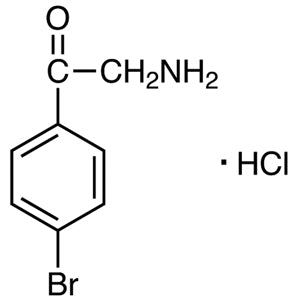
2-Amino-4'-bromoacetophenoneHydrochloride TCI A3030
Regular price Rp 1.378.650,00Regular priceRp 979.650,00Sale price Rp 1.378.650,00 -
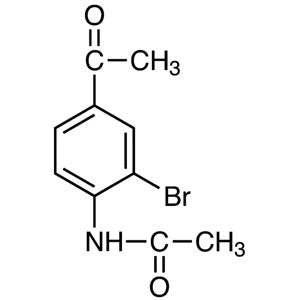
4'-Acetamido-3'-bromoacetophenone TCI A2852
Regular price Rp 1.220.100,00Regular priceRp 868.350,00Sale price Rp 1.220.100,00 -
3,4,5,6-Tetrabromo-o-cresol TCI T1528
Regular price Rp 610.050,00Regular priceRp 426.300,00Sale price Rp 610.050,00 -
2,3,5,6-Tetrabromo-p-cresol TCI T1430
Regular price Rp 2.147.250,00Regular priceRp 1.501.500,00Sale price Rp 2.147.250,00 -
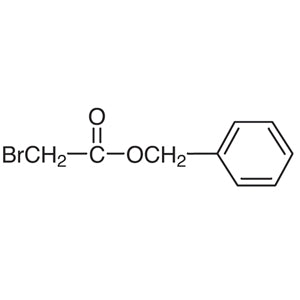
BenzylBromoacetate TCI B1674
Regular price Rp 769.650,00Regular priceRp 553.350,00Sale price Rp 769.650,00